
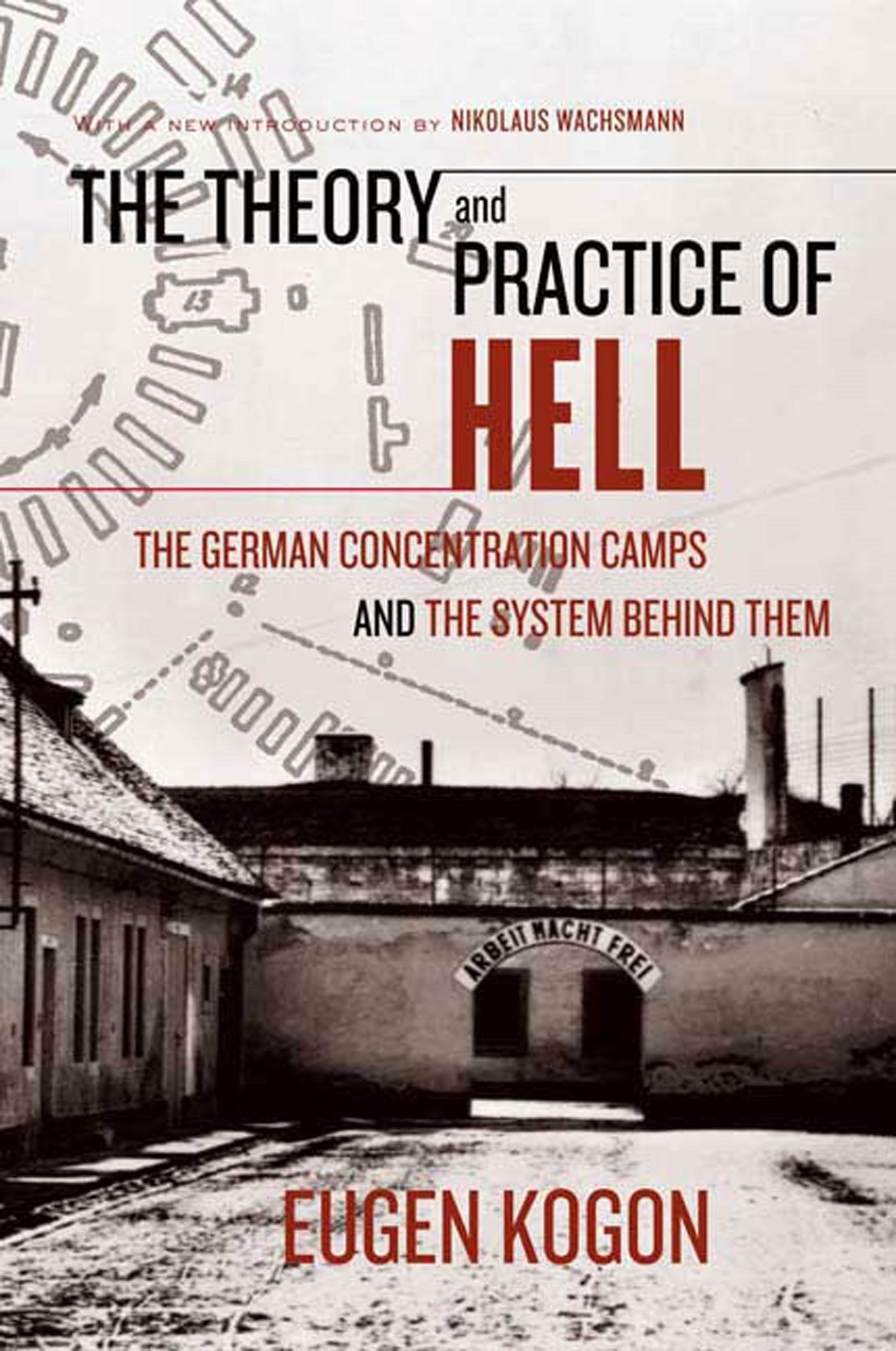
Title
The Theory and Practice of Hell: The German Concentration Camps and the System Behind Them,Used
Sold by Ergodebooks, an authorized reseller.
Returns accepted within 30 days | support@ergodebooks.com
Shipping Information
- Free Standard Shipping — United States only
- Processing Time: 3–5 business days
- Estimated Delivery: 6–10 business days after dispatch
- Double-boxed, fully insured & discreetly packaged
- Tracking number sent via email once dispatched
Returns & Refund
Returns accepted within 30 days of delivery.
Damaged or Defective Item
Free return shipping + replacement or full refund
Wrong Item Received
Free return shipping + replacement or full refund
Change of Mind
Return shipping at customer's expense · 25% restocking fee applies
Payment Option

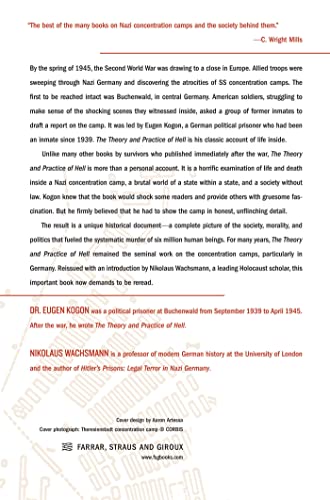
By the spring of 1945, the Second World War was drawing to a close in Europe. Allied troops were sweeping through Nazi Germany and discovering the atrocities of SS concentration camps. The first to be reached intact was Buchenwald, in central Germany. American soldiers struggled to make sense of the shocking scenes they witnessed inside. They asked a small group of former inmates to draft a report on the camp. It was led by Eugen Kogon, a German political prisoner who had been an inmate since 1939. The Theory and Practice of Hell is his classic account of life inside.Unlike many other books by survivors who published immediately after the war, The Theory and Practice of Hell is more than a personal account. It is a horrific examination of life and death inside a Nazi concentration camp, a brutal world of a state within state, and a society without law. But Kogon maintains a dispassionate and critical perspective. He tries to understand how the camp works, to uncover its structure and social organization. He knew that the book would shock some readers and provide others with gruesome fascination. But he firmly believed that he had to show the camp in honest, unflinching detail.The result is a unique historical documenta complete picture of the society, morality, and politics that fueled the systematic torture of six million human beings. For many years, The Theory and Practice of Hell remained the seminal work on the concentration camps, particularly in Germany. Reissued with an introduction by Nikolaus Waschmann, a leading Holocaust scholar and author of Hilter's Prisons, this important work now demands to be reread.
⚠️ WARNING (California Proposition 65):
This product may contain chemicals known to the State of California to cause cancer, birth defects, or other reproductive harm.
For more information, please visit www.P65Warnings.ca.gov.
- Q: What is the main focus of 'The Theory and Practice of Hell'? A: The book provides a detailed examination of life inside Nazi concentration camps, particularly focusing on the structure, social organization, and moral implications of these brutal environments.
- Q: Who is the author of this book? A: The author is Eugen Kogon, a former political prisoner who offers his insights based on his experiences as an inmate in a concentration camp.
- Q: When was 'The Theory and Practice of Hell' published? A: The book was reissued on September 19, 2006.
- Q: What makes this book different from other survivor accounts? A: Unlike many survivor narratives, Kogon's work is not just a personal story; it provides an analytical perspective on the concentration camp system and its societal implications.
- Q: How many pages are in this book? A: The book contains 368 pages.
- Q: What type of binding does this edition have? A: This edition is available in paperback binding.
- Q: Is this book suitable for academic study? A: Yes, it is considered a seminal work on concentration camps and is often used in academic settings to study the Holocaust and its historical context.
- Q: Does the book contain any illustrations or photographs? A: The book primarily focuses on text and does not include illustrations or photographs.
- Q: What audience is this book intended for? A: The book is intended for readers interested in Holocaust studies, history, and those seeking a deeper understanding of the concentration camp system.
- Q: Is this book recommended for young readers? A: Due to its graphic content and serious themes, it may not be suitable for young readers without adult guidance.