
Title
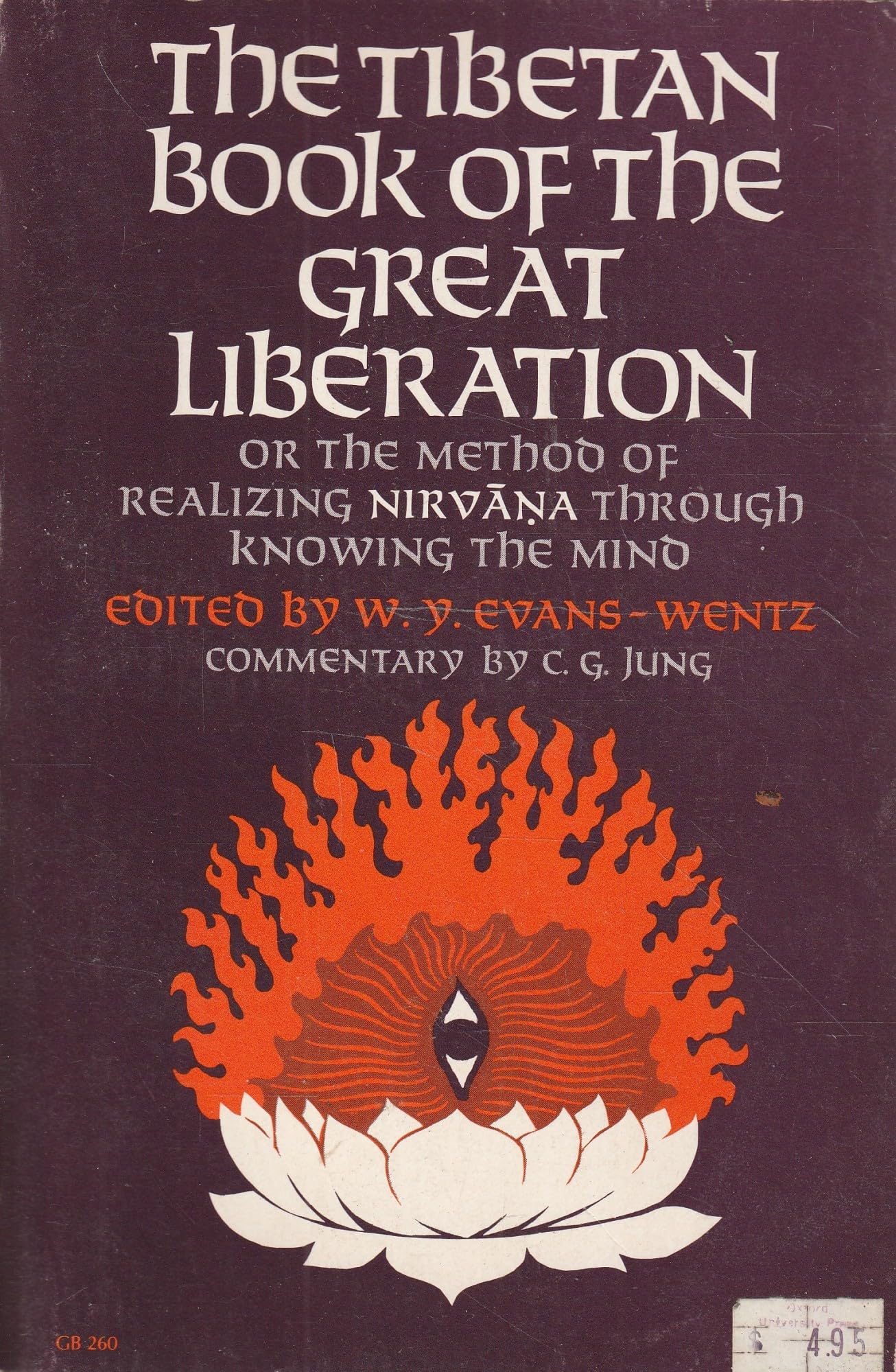
The Tibetan Book Of The Great Liberation: Or The Method Of Realizing Nirvana Through Knowing The Mind
Sold by Ergodebooks, an authorized reseller.
Returns accepted within 30 days | support@ergodebooks.com
Shipping Information
- Free Standard Shipping — United States only
- Processing Time: 3–5 business days
- Estimated Delivery: 6–10 business days after dispatch
- Double-boxed, fully insured & discreetly packaged
- Tracking number sent via email once dispatched
Returns & Refund
Returns accepted within 30 days of delivery.
Damaged or Defective Item
Free return shipping + replacement or full refund
Wrong Item Received
Free return shipping + replacement or full refund
Change of Mind
Return shipping at customer's expense · 25% restocking fee applies
Payment Option

This Volume, The Fourth In Evanswentz'S Noted Tibetan Series, Contains Teachings Of Paramount Importance From Illustrious Gurus Of Tibet And India. First Published In 1954, It Explains The Essence Of The Supreme Path, The Mahayana, And Reveals The Yogic Method Of Attaining Enlightenment By Means Of Knowing The One Mind, The Cosmic Allconsciousness. C.G. Jung'S Commentary Discusses Differences In Eastern And Western Modes Of Thought, And Equates The Collective Unconscious With The Buddhist Enlightened Mind.
⚠️ WARNING (California Proposition 65):
This product may contain chemicals known to the State of California to cause cancer, birth defects, or other reproductive harm.
For more information, please visit www.P65Warnings.ca.gov.
- Q: How many pages are in this book? A: This book contains three hundred fifty-two pages. It offers comprehensive teachings from noted Tibetan gurus.
- Q: What is the binding type of this book? A: The binding type is paperback. This makes it more portable and easier to handle.
- Q: What are the dimensions of this book? A: The book measures five point three one inches in length, zero point seven one inches in width, and eight inches in height. These dimensions make it a convenient size for reading.
- Q: How do I read this book effectively? A: To read this book effectively, take your time to absorb the teachings. Consider reflecting on each section to understand the concepts deeply.
- Q: Is this book suitable for beginners in Buddhism? A: Yes, this book is suitable for beginners. It introduces fundamental Buddhist concepts in an accessible manner.
- Q: Can I read this book if I have no background in Buddhism? A: Yes, you can read this book without prior knowledge of Buddhism. It provides insights into the teachings and practices of Buddhism.
- Q: How should I store this book to keep it in good condition? A: Store this book in a cool, dry place away from direct sunlight. This will help preserve its condition over time.
- Q: How do I clean this paperback book? A: To clean this paperback book, gently wipe the cover with a soft, dry cloth. Avoid using water or cleaning solutions.
- Q: Is this book safe for children to read? A: This book is not specifically designed for children. It contains complex themes that may require adult guidance.
- Q: How does this book compare to other Buddhist texts? A: This book focuses on the Supreme Path in Mahayana Buddhism and is unique for its insights from C.G. Jung. It's a blend of Eastern and Western thought.
- Q: Is this book a good choice for someone interested in psychology? A: Yes, this book is a good choice for those interested in psychology. C.G. Jung's commentary connects Buddhist teachings with psychological concepts.
- Q: What if I receive a damaged copy of this book? A: If you receive a damaged copy, contact the seller for a return or exchange. Most retailers have policies to handle such issues.
- Q: Are there any specific themes covered in this book? A: Yes, the book covers themes like Enlightenment, the One Mind, and the cosmic All-Consciousness. These are central to understanding Buddhism.
- Q: Who is the author of this book? A: The author of this book is C.G. Jung. He provides valuable commentary on the teachings presented.
- Q: Is there a specific audience for this book? A: This book targets readers interested in Buddhism, psychology, and spirituality. It's meant for those seeking deeper understanding.