If you have any questions, you are always welcome to contact us. We'll get back to you as soon as possible, withing 24 hours on weekdays.
Customer service
All questions about your order, return and delivery must be sent to our customer service team by e-mail at yourstore@yourdomain.com
Sale & Press
If you are interested in selling our products, need more information about our brand or wish to make a collaboration, please contact us at press@yourdomain.com
Help
If you have any questions, you are always welcome to contact us. We'll get back to you as soon as possible, withing 24 hours on weekdays.
Customer service
All questions about your order, return and delivery must be sent to our customer service team by e-mail at yourstore@yourdomain.com
Sale & Press
If you are interested in selling our products, need more information about our brand or wish to make a collaboration, please contact us at press@yourdomain.com
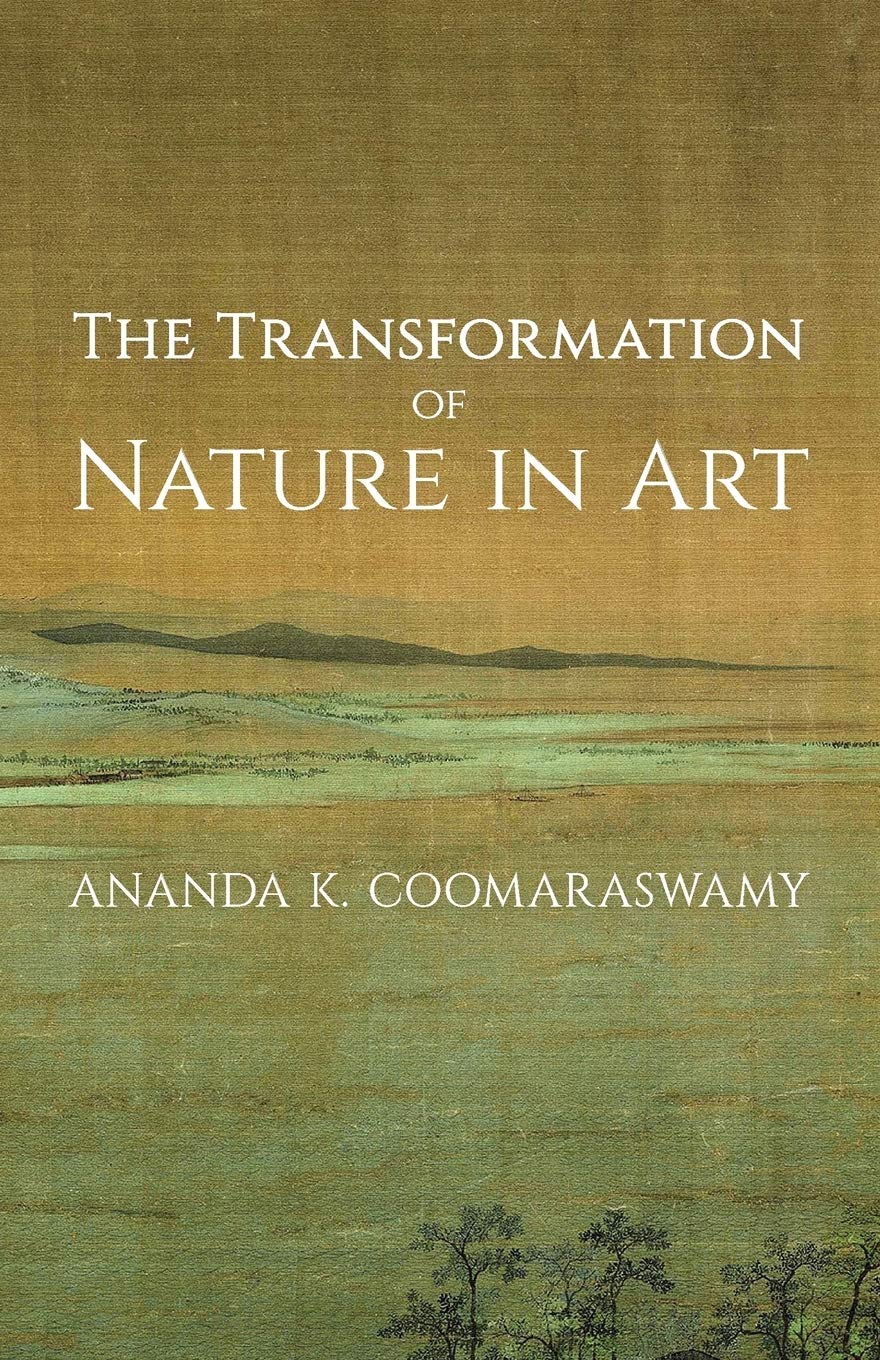
In The Transformation of Nature in Art, Ananda Coomaraswamy explains the theory behind medieval European and Asian art, especially art in India. He further supplements the Indian theory with that of the Chinese. The first principle of Asian art is that art does not exist for its own sake; it exists as means to religious conditions or experience. The comparison with medieval European art in this respect is extremely illuminating. He further shows that both differ radically from postRenaissance European art.Coomaraswamy first discusses the theory of art in Asia and contends that the Indian artist did not seek an illusion of Nature; rather, he tried to create a truthful suggestion of the character of the subject. In the second chapter he examines medieval European aesthetics in terms of the fourteenthcentury German mystic, Meister Eckhart. Subsequent chapters investigate through Indian texts the psychology of the Indian view of art. And finally, the origin and use of images in India are discussed.
⚠️ WARNING (California Proposition 65):
This product may contain chemicals known to the State of California to cause cancer,
birth defects, or other reproductive harm.
For MAP (Minimum Advertised Price) violations and Intellectual Property (IP) or Trademark concerns, please contact:
support@ergodebooks.com
⚠️ California Proposition 65 Warning: Some products sold on this website may expose you to chemicals known to the State of California to cause cancer, birth defects, or other reproductive harm. For more information, visit www.P65Warnings.ca.gov.