
Title
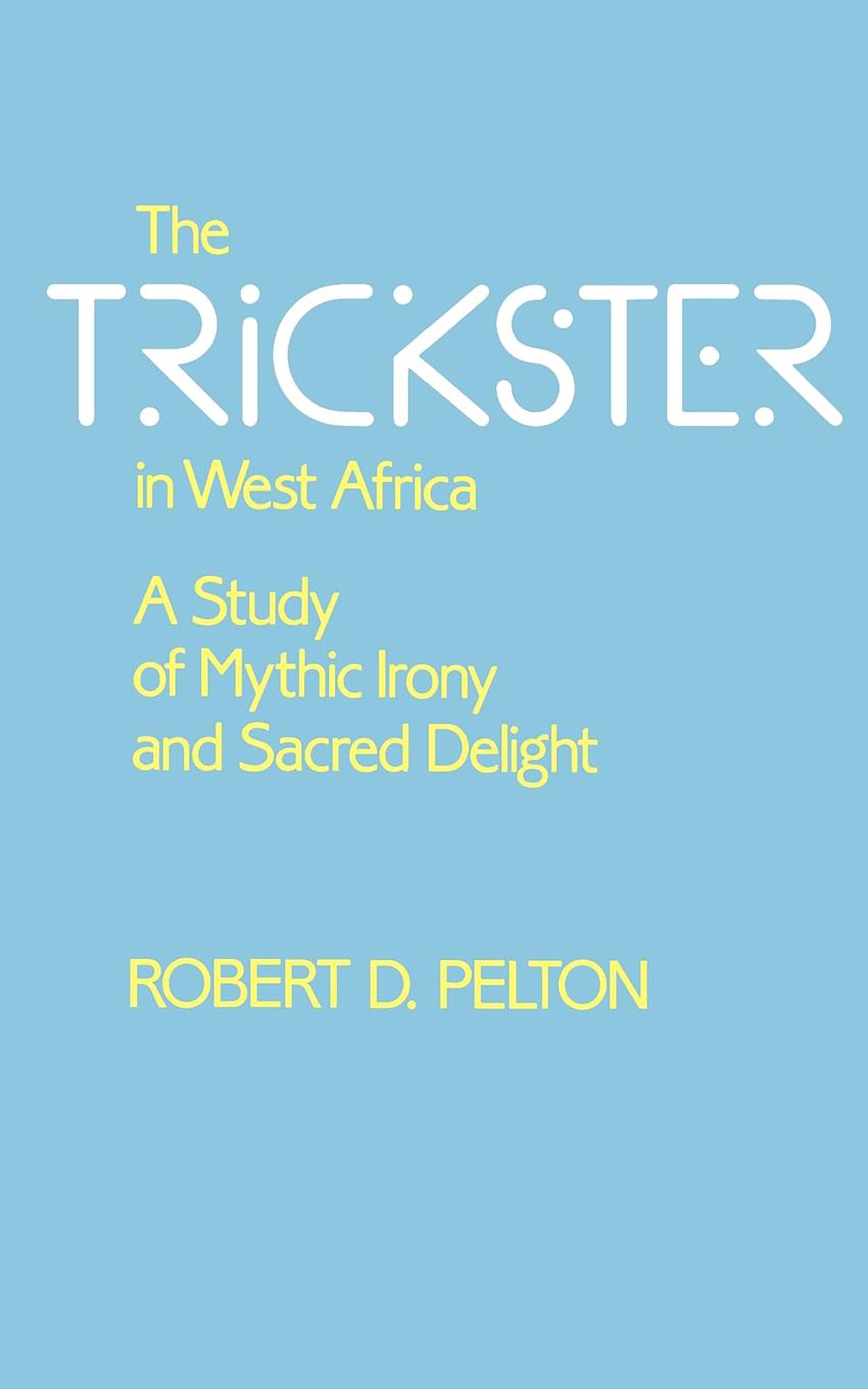
The Trickster In West Africa: A Study Of Mythic Irony And Sacred Delight (Hermeneutics: Studies In The History Of Religions) (Vo,Used
Sold by Ergodebooks, an authorized reseller.
Returns accepted within 30 days | support@ergodebooks.com
Shipping Information
- Free Standard Shipping — United States only
- Processing Time: 3–5 business days
- Estimated Delivery: 6–10 business days after dispatch
- Double-boxed, fully insured & discreetly packaged
- Tracking number sent via email once dispatched
Returns & Refund
Returns accepted within 30 days of delivery.
Damaged or Defective Item
Free return shipping + replacement or full refund
Wrong Item Received
Free return shipping + replacement or full refund
Change of Mind
Return shipping at customer's expense · 25% restocking fee applies
Payment Option

The Trickster Appears In The Myths And Folktales Of Nearly Every Traditional Society. Robert Pelton Examines Ashanti, Fon, Yoruba, And Dogon Tricksterfigures In Their Social And Mythical Contexts And In Light Of Contemporary Thought, Exploring The Way The Trickster Links Animality And Ritual Transformation; Culture, Sex, And Laughter; Cosmic Process And Personal History; Divination And Social Change.
⚠️ WARNING (California Proposition 65):
This product may contain chemicals known to the State of California to cause cancer, birth defects, or other reproductive harm.
For more information, please visit www.P65Warnings.ca.gov.
- Q: What is the page count of the book? A: This book has three hundred twenty-four pages. It offers an in-depth exploration of trickster figures across various African cultures.
- Q: What are the dimensions of the book? A: The book measures four point nine inches in length, zero point eight three inches in width, and seven point nine one inches in height. These dimensions make it a handy size for reading.
- Q: What type of binding does this book have? A: This book is available in paperback binding. This format is lightweight and flexible for easy handling.
- Q: Who is the author of this book? A: The author of this book is Robert D. D. Pelton. He provides a comprehensive analysis of mythic irony in African trickster tales.
- Q: What genre does this book belong to? A: This book falls under the category of religious studies and folklore. It specifically focuses on the mythic themes in African cultures.
- Q: What is a key theme explored in this book? A: The book explores the theme of how tricksters link various aspects of life, such as culture and ritual. It examines their role in social and mythical contexts.
- Q: Is this book suitable for academic studies? A: Yes, this book is suitable for academic studies. It provides insights into mythic irony and cultural transformation relevant to religious studies.
- Q: What audience is this book intended for? A: This book is intended for readers interested in folklore, mythology, and African studies. It is suitable for both scholars and general readers.
- Q: How can I use this book for research? A: You can use this book as a source for understanding the cultural significance of trickster figures in African mythology. It's valuable for essays and research projects.
- Q: How should I store this book? A: Store this book in a cool, dry place away from direct sunlight. This will help preserve its condition over time.
- Q: Can this book be used as a reference for classroom discussions? A: Yes, this book can be used as a reference for classroom discussions. It provides rich content suitable for engaging discussions on African mythology.
- Q: Is there a warranty or return policy for this book? A: Typically, books do not come with a warranty, but check the retailer's return policy. Most allow returns within a specified period.
- Q: What if the book arrives damaged? A: If the book arrives damaged, contact the retailer immediately for a replacement or refund. Most sellers have customer service for such issues.
- Q: How do I clean and care for this book? A: To clean this book, gently wipe the cover with a soft, dry cloth. Avoid using liquids that could damage the binding or pages.
- Q: Is there a digital version available? A: Yes, a digital version of this book may be available. Check online retailers for options in eBook formats.
- Q: What makes this book unique in its field? A: This book uniquely combines mythic analysis with contemporary thought, providing fresh perspectives on traditional African trickster figures.