
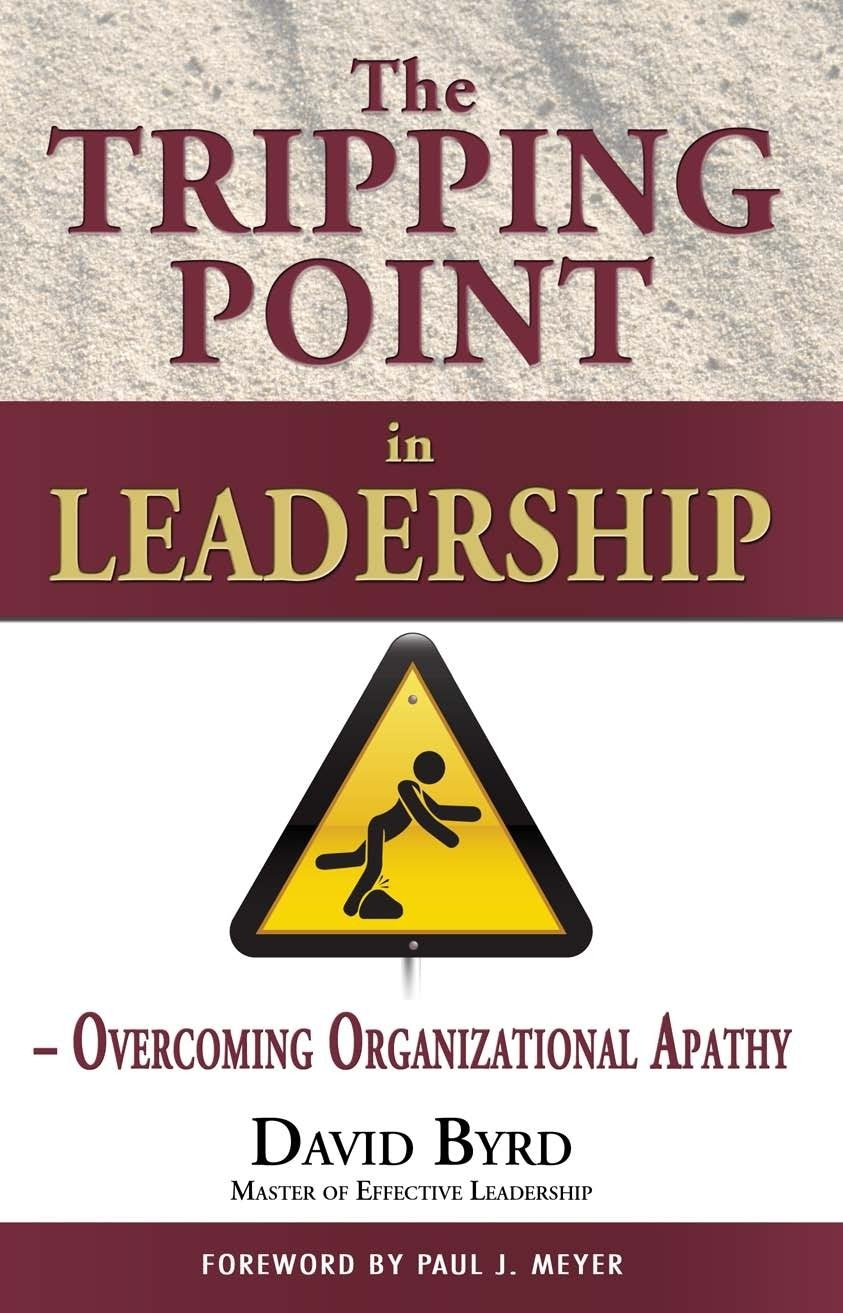
Title
The Tripping Point In Leadership: Overcoming Organizational Apathy
Sold by Ergodebooks, an authorized reseller.
Returns accepted within 30 days | support@ergodebooks.com
Shipping Information
- Free Standard Shipping — United States only
- Processing Time: 3–5 business days
- Estimated Delivery: 6–10 business days after dispatch
- Double-boxed, fully insured & discreetly packaged
- Tracking number sent via email once dispatched
Returns & Refund
Returns accepted within 30 days of delivery.
Damaged or Defective Item
Free return shipping + replacement or full refund
Wrong Item Received
Free return shipping + replacement or full refund
Change of Mind
Return shipping at customer's expense · 25% restocking fee applies
Payment Option

From Chapter #1Apathy: A Natural, Human Instincti Had Just Finished My Introductions In Front Of More Than 70 Top Executives Of An International Organization When I Made A Shocking And Somewhat Risky Statement.I Told Them That All The Organizational Problems They Had Identified On Their Introductory Worksheets Were Merely Symptoms Of The Same Universal Problem Apathy.The Individual Annual Incomes Of This Group Ranged From $250,000 To $500,000, And I Had Just Told Them They Were Apathetic! At Least That Is What They Heard.I Quickly Asked Them To Withhold Their Judgment For A Moment, And Give Me A Chance To Explain Before Collectively Deciding That A Highpriced Development Expert Had Just Insulted Them.As A Hush Fell Over The Room, I Began To Verbally Review The General List Of People Problems That They Had Provided For Me Prior To The Meeting: Indecisiveness Lack Of Drive Lack Of Creativity Lack Of Focus Stagnation Burnout Imbalance The List Went On And On.This Was Their List, Not Mine!I Paused For A Second And Just Looked At Them. Then I Asked Each Executive To Write Down The Following Developmental Definition For Apathy:A Natural, Human Instinct, Common To Us All, That Consistently Encourages Us To Seek A Comfort Zone In Which Nothing Ever Changes.Pens Began To Move Across Legal Pads. After A Few Moments, I Asked The Group This Question, How Many Of You Know Someone In Your Current Organization Who Is Impeded By This Description Of Apathy?The Entire Group Raised Their Hands In Unison.Then I Asked The Hard Question, How Many Of You Have, At Some Point, Suffered From This Same Description?You Could Hear A Pin Drop.Finally, One Person Started Laughing And Courageously Raised Her Hand. Her Actions Stimulated Other Colleagues To Raise Their Hands, And The Entire Room Broke Into Laughter Of Genuine Confession.Facing The Factsthe Word Apathy Is An Unfriendly And Threatening Word To Most People, And That Is Probably The Reason I Never Hear Executives Use The Word To Describe Problems Within Their Organizations.Instead, I Hear The Listing Of Symptoms, Such As: Burnout Stagnation Indecision Lack Of Creativity Lack Of Motivation Lack Of Productivity And So On.These Symptoms May Sound More Professional, Academic, Clinical, Or Forgiving, But Symptoms, If Worked On Exclusively, Lead An Organization On A Wild Goose Chase, Fixing Symptoms But Never Solving Real Problems!Comfortable With The Truthapathy Is A Very Useful And Effective Word For Me Now After Years Of Experience. In Fact I Have Learned That Until A Person Gains An Awareness Of How The Forces Of Apathy Work To Impede Effectiveness, Behavioral Change And Improvement Are Out Of The Question.Awareness Begins With An Understanding Of Apathy As A Natural, Human Instinct Common To Us All.Usually When Someone Is Called Apathetic, He Or She Is Being Accused Of Indifference. But The Working Definition I Am Using For Apathy Has Little To Do With Indifference. It Has Everything To Do With Describing The Relationship Between The Basic Motivation Of Security And The Natural, Human Instinct Described As Apathy.Take A Close Look At My Working Definition Of Apathy:A Natural, Human Instinct, Common To Us All, That Consistently Encourages Us To Seek A Comfort Zone In Which Nothing Ever Changes.Now, Ask Yourself This Question, What Is One Of Humankind'S Basic, Motivational Drives?According To Maslow'S Famous Book, A Theory Of Human Motivation, Most All Human Behavior Can Be Traced Back To The Basic Motivation Of Selfpreservation And Security. Some May Be Motivated By Higherlevel Needs, But As Soon As Their Security Is Threatened, They Quickly Revert To Selfpreservation.This Process Of Seeking Security And Building Unproductive Comfort Zones, If Left Unchecked, Leads To Behaviors That Are Usually Described As The Causes Of People Problems And Ineffectiveness.In Order To Demonstrate How The Forces Of Apathy
⚠️ WARNING (California Proposition 65):
This product may contain chemicals known to the State of California to cause cancer, birth defects, or other reproductive harm.
For more information, please visit www.P65Warnings.ca.gov.
- Q: How many pages does the book have? A: The book contains one hundred twelve pages. It offers concise insights into leadership and organizational behavior.
- Q: What is the binding type of the book? A: The book is available in paperback binding. This makes it lightweight and easy to handle.
- Q: Who is the author of this book? A: The author is David Byrd. He specializes in organizational development and leadership.
- Q: What is the main theme of the book? A: The main theme is overcoming apathy in leadership. It discusses how apathy affects organizational effectiveness.
- Q: What age group is this book suitable for? A: The book is suitable for adults, particularly those in leadership roles. It addresses complex organizational issues.
- Q: Can I use this book for a leadership course? A: Yes, this book is ideal for leadership courses. It provides valuable insights and case studies relevant to organizational behavior.
- Q: How should I store this book? A: Store the book in a cool, dry place. Avoid exposure to direct sunlight to preserve its condition.
- Q: Is this book suitable for new leaders? A: Yes, new leaders can benefit from this book. It offers foundational concepts that are crucial for effective leadership.
- Q: How do I clean the book's cover? A: To clean the cover, use a soft, dry cloth. Avoid using liquids to prevent damage to the paper.
- Q: What if the book arrives damaged? A: If the book arrives damaged, you can return it for a replacement. Check the return policy for specific instructions.
- Q: Is this book applicable to all industries? A: Yes, the insights in this book are applicable across various industries. Apathy is a universal challenge in organizations.
- Q: What are the common symptoms of apathy discussed in the book? A: The book discusses symptoms like indecisiveness, lack of drive, and burnout. These are critical issues in organizational settings.
- Q: How does this book address organizational problems? A: The book addresses organizational problems by identifying apathy as a root cause. It provides strategies for overcoming these challenges.
- Q: Is there a summary or conclusion section in the book? A: Yes, the book includes a summary section that encapsulates the key takeaways for leaders.
- Q: Can this book help in personal development? A: Yes, it can aid in personal development by offering insights into self-awareness and motivation in leadership.
- Q: What format is this book available in? A: The book is available in paperback format. It is designed for easy reading and portability.