
Title
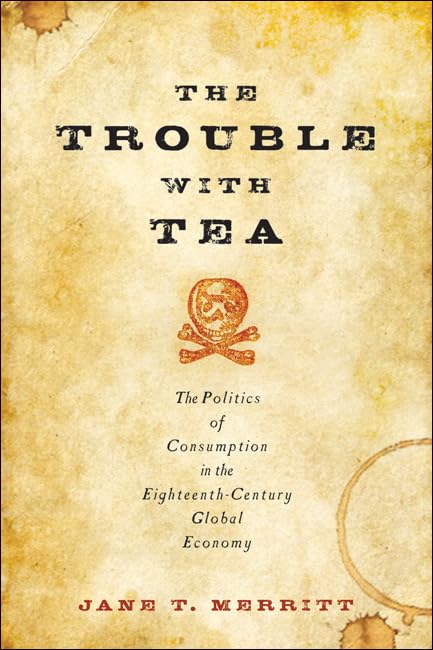
The Trouble with Tea: The Politics of Consumption in the EighteenthCentury Global Economy (Studies in Early American Economy an,Used
Sold by Ergodebooks, an authorized reseller.
Returns accepted within 30 days | support@ergodebooks.com
Shipping Information
- Free Standard Shipping — United States only
- Processing Time: 3–5 business days
- Estimated Delivery: 6–10 business days after dispatch
- Double-boxed, fully insured & discreetly packaged
- Tracking number sent via email once dispatched
Returns & Refund
Returns accepted within 30 days of delivery.
Damaged or Defective Item
Free return shipping + replacement or full refund
Wrong Item Received
Free return shipping + replacement or full refund
Change of Mind
Return shipping at customer's expense · 25% restocking fee applies
Payment Option

How teas political meaning shaped the culture and economy of the AngloAmerican world.Americans imagined tea as central to their revolution. After years of colonial boycotts against the commodity, the Sons of Liberty kindled the fire of independence when they dumped tea in the Boston harbor in 1773. To reject tea as a consumer item and symbol of taxation without representation was to reject Great Britain as master of the American economy and government. But tea played a longer and far more complicated role in American economic history than the events at Boston suggest.In The Trouble with Tea, historian Jane T. Merritt explores tea as a central component of eighteenthcentury global trade and probes its connections to the politics of consumption. Arguing that tea caused trouble over the course of the eighteenth century in a number of different ways, Merritt traces the multifaceted impact of that luxury item on British imperial policy, colonial politics, and the financial structure of merchant companies. Merritt challenges the assumption among economic historians that consumer demand drove merchants to provide an everincreasing supply of goods, thus sparking a consumer revolution in the early eighteenth century.The Trouble with Tea reveals a surprising truth: that concerns about the British political economy, coupled with the corporate machinations of the East India Company, brought an abundance of tea to Britain, causing the company to target North America as a potential market for surplus tea. American consumers only slowly habituated themselves to the beverage, aided by clever marketing and the availability of Caribbean sugar. Indeed, the revolution in consumer activity that followed came not from a proliferation of goods, but because the meaning of these goods changed. By the 1750s, British subjects at home and in America increasingly purchased and consumed tea on a daily basis; once thought a luxury, tea had become a necessity. This fascinating look at the unpredictable path of a single commodity will change the way readers look at both tea and the emergence of America.
⚠️ WARNING (California Proposition 65):
This product may contain chemicals known to the State of California to cause cancer, birth defects, or other reproductive harm.
For more information, please visit www.P65Warnings.ca.gov.