
Title
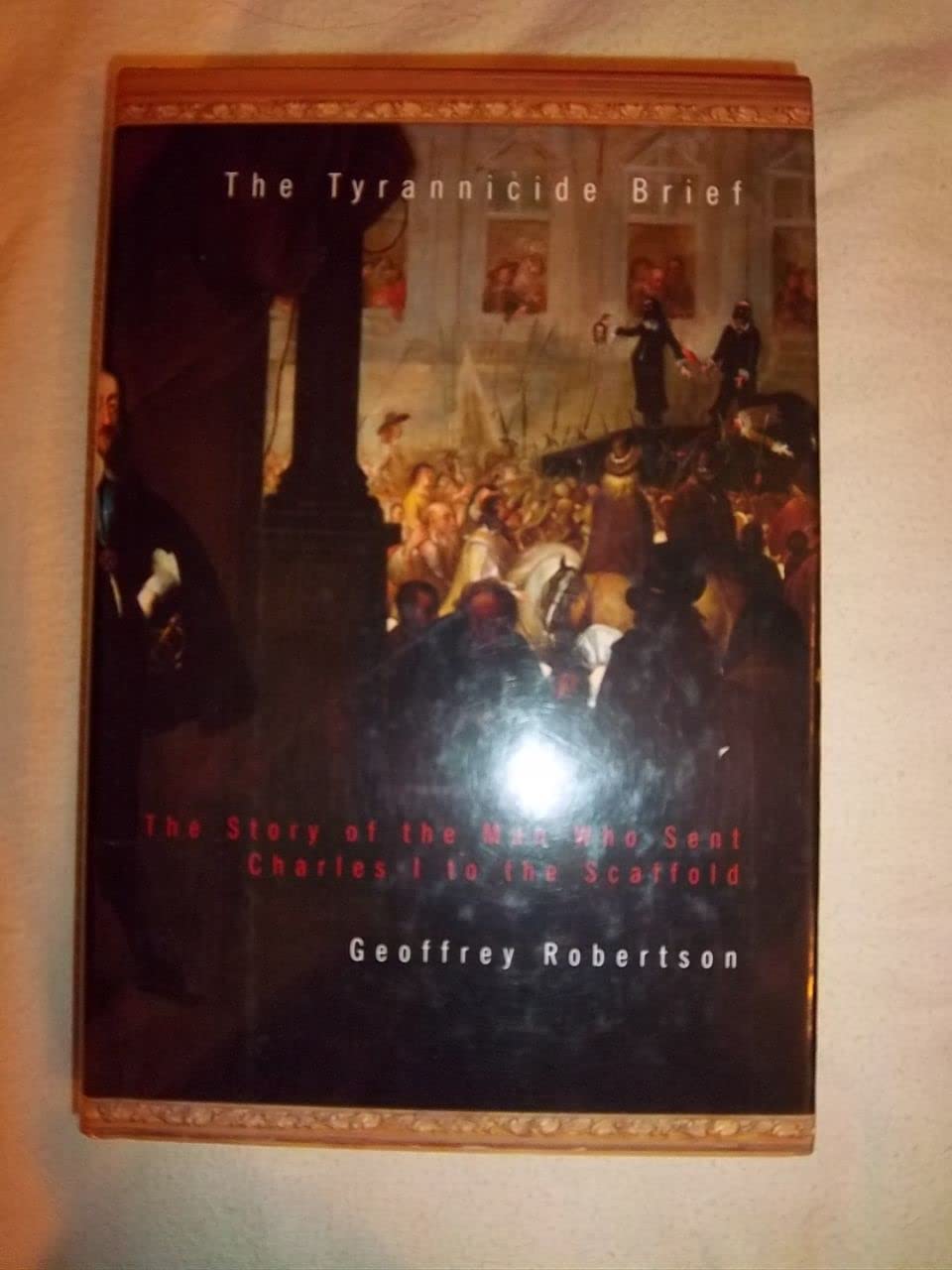
The Tyrannicide Brief: The Story Of The Man Who Sent Charles I To The Scaffold
Sold by Ergodebooks, an authorized reseller.
Returns accepted within 30 days | support@ergodebooks.com
Shipping Information
- Free Standard Shipping — United States only
- Processing Time: 3–5 business days
- Estimated Delivery: 6–10 business days after dispatch
- Double-boxed, fully insured & discreetly packaged
- Tracking number sent via email once dispatched
Returns & Refund
Returns accepted within 30 days of delivery.
Damaged or Defective Item
Free return shipping + replacement or full refund
Wrong Item Received
Free return shipping + replacement or full refund
Change of Mind
Return shipping at customer's expense · 25% restocking fee applies
Payment Option

Charles I Waged Civil Wars That Cost One In Ten Englishmen Their Lives. But In 1649 Parliament Was Hard Put To Find A Lawyer With The Skill And Daring To Prosecute A King Who Claimed To Be Above The Law: In The End The Man They Briefed Was The Radical Lawyer John Cooke. His Puritan Conscience, Political Vision, And Love Of Civil Liberties Gave Him The Courage To Bring The Kings Trial To Its Dramatic Conclusion: The English Republic. He Would Pay Dearly For It: Charles I Was Beheaded, But Eleven Years Later Cooke Himself Was Arrested, Tried, And Brutally Executed At The Hands Of Charles Ii.Geoffrey Robertson, An Internationally Renowned Human Rights Lawyer, Provides A Vivid New Reading Of The Tumultuous Civil War Years, Exposing Longhidden Truths: That The King Was Guilty As Charged, That His Execution Was Necessary To Establish The Sovereignty Of Parliament, That The Regicide Trials Were Rigged And Their Victims Should Be Seen As National Heroes.John Cooke Sacrificed His Own Life To Make Tyranny A Crime. His Trial Of Charles I, The First Trial Of A Head Of State For Waging War On His Own People, Became A Forerunner Of The Trials Of Augusto Pinochet, Slobodan Milosevic, And Saddam Hussein. This Is A Superb Work Of History That Casts A Revelatory Light On Some Of The Most Important Issues Of Our Time.
⚠️ WARNING (California Proposition 65):
This product may contain chemicals known to the State of California to cause cancer, birth defects, or other reproductive harm.
For more information, please visit www.P65Warnings.ca.gov.
- Q: What is the page count of 'The Tyrannicide Brief'? A: This book has four hundred forty-eight pages. It provides an in-depth look into the trial of Charles I and the role of John Cooke.
- Q: What are the dimensions of 'The Tyrannicide Brief'? A: The book measures six point two inches in length, one point sixty-one inches in width, and nine point three inches in height. These dimensions make it a convenient size for reading.
- Q: What type of binding does 'The Tyrannicide Brief' have? A: This book is bound in hardcover. Hardcover binding offers durability and protection for the book's pages.
- Q: How do I read and understand this book? A: To fully appreciate 'The Tyrannicide Brief', it's recommended for readers interested in history and legal matters. It’s suitable for adults and older teens.
- Q: Is 'The Tyrannicide Brief' suitable for beginners in history? A: Yes, it can be suitable for beginners. However, some prior knowledge of English history may enhance understanding of the events discussed.
- Q: Can I use this book for academic purposes? A: Yes, 'The Tyrannicide Brief' is a valuable resource for academic research. Its insights into the trial of Charles I are relevant for students of history and law.
- Q: How should I store 'The Tyrannicide Brief' to keep it in good condition? A: Store the book upright in a cool, dry place. Avoid direct sunlight to prevent fading and damage to the cover.
- Q: How do I clean 'The Tyrannicide Brief' if it gets dirty? A: To clean the book, gently wipe the cover with a soft, dry cloth. Avoid using water or cleaning solutions that could damage the paper.
- Q: Is there a warranty for 'The Tyrannicide Brief'? A: No, typically books do not come with a warranty. However, check with the seller for their specific return policies.
- Q: What if 'The Tyrannicide Brief' arrives damaged? A: If the book arrives damaged, contact the seller immediately for return or exchange options. Keep all packaging materials for the return process.
- Q: Is there a specific audience for 'The Tyrannicide Brief'? A: The book is primarily aimed at readers interested in English history and law. It also appeals to those exploring themes of civil liberties.
- Q: How does 'The Tyrannicide Brief' compare to other history books? A: This book stands out for its focus on the trial of a king, offering a unique perspective compared to typical historical accounts.
- Q: What themes are explored in 'The Tyrannicide Brief'? A: Key themes include civil liberties, the rule of law, and the moral implications of regicide. These themes resonate with contemporary discussions on governance.
- Q: Who is the author of 'The Tyrannicide Brief'? A: The book is authored by Geoffrey Robertson, a renowned human rights lawyer. His expertise lends credibility to the historical analysis presented.
- Q: What historical events does 'The Tyrannicide Brief' cover? A: The book covers the trial of Charles I and the English Civil War, providing context for the political and legal struggles of the time.
- Q: Is 'The Tyrannicide Brief' a scholarly work? A: Yes, it is considered a scholarly work due to its detailed research and analysis of historical events and legal principles.