If you have any questions, you are always welcome to contact us. We'll get back to you as soon as possible, withing 24 hours on weekdays.
Customer service
All questions about your order, return and delivery must be sent to our customer service team by e-mail at yourstore@yourdomain.com
Sale & Press
If you are interested in selling our products, need more information about our brand or wish to make a collaboration, please contact us at press@yourdomain.com
Help
If you have any questions, you are always welcome to contact us. We'll get back to you as soon as possible, withing 24 hours on weekdays.
Customer service
All questions about your order, return and delivery must be sent to our customer service team by e-mail at yourstore@yourdomain.com
Sale & Press
If you are interested in selling our products, need more information about our brand or wish to make a collaboration, please contact us at press@yourdomain.com
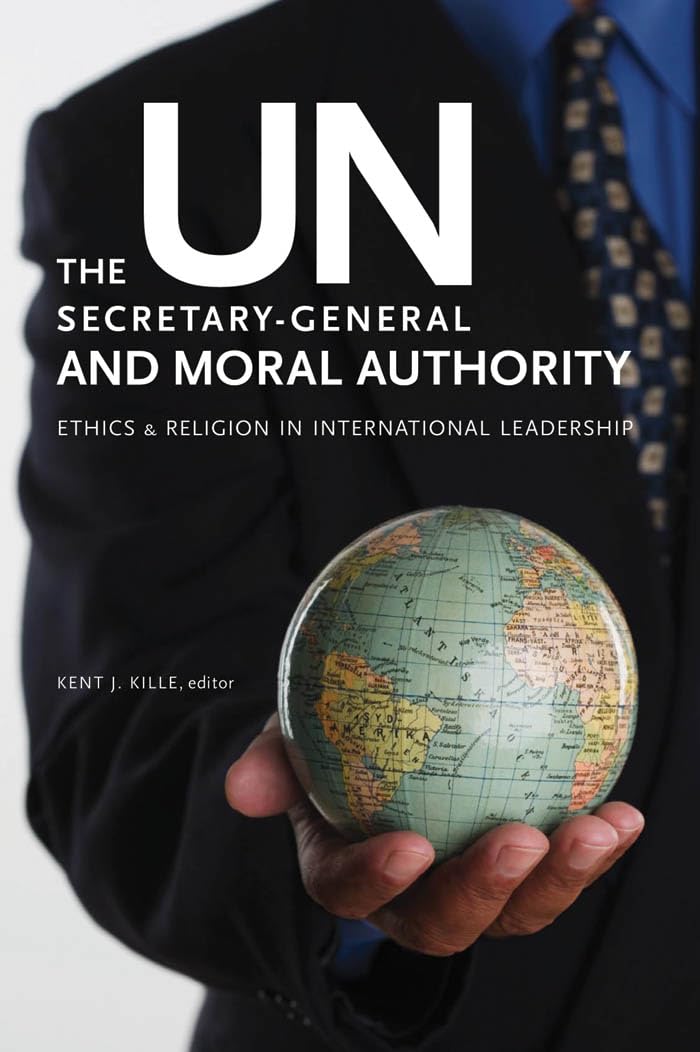
Once described by Trygve Lie as the "most impossible job on earth," the position of UN SecretaryGeneral is as frustratingly constrained as it is prestigious. The SecretaryGeneral's ability to influence global affairs often depends on how the international community regards his moral authority. In relation to such moral authority, past officeholders have drawn on their own ethics and religious backgroundsas diverse as Lutheranism, Catholicism, Buddhism, and Coptic Christianityto guide the role that they played in addressing the UN's goals in the international arena, such as the maintenance of international peace and security and the promotion of human rights.In The UN SecretaryGeneral and Moral Authority, contributors provide case studies of all seven former secretariesgeneral, establishing a muchneeded comparative survey of each officeholder's personal religious and moral values. From Trygve Lie's forbearance during the UN's turbulent formative years to the Nobel committee's awarding Kofi Annan and the United Nations the prize for peace in 2001, the case studies all follow the same format, first detailing the environmental and experiential factors that forged these men's ethical frameworks, then analyzing how their "inner code" engaged with the duties of office and the global events particular to their terms.Balanced and unbiased in its approach, this study provides valuable insight into how religious and moral leadership functions in the realm of international relations, and how the promotion of ethical values works to diffuse international tensions and improve the quality of human life around the world.
⚠️ WARNING (California Proposition 65):
This product may contain chemicals known to the State of California to cause cancer,
birth defects, or other reproductive harm.
For MAP (Minimum Advertised Price) violations and Intellectual Property (IP) or Trademark concerns, please contact:
support@ergodebooks.com
⚠️ California Proposition 65 Warning: Some products sold on this website may expose you to chemicals known to the State of California to cause cancer, birth defects, or other reproductive harm. For more information, visit www.P65Warnings.ca.gov.