
Title
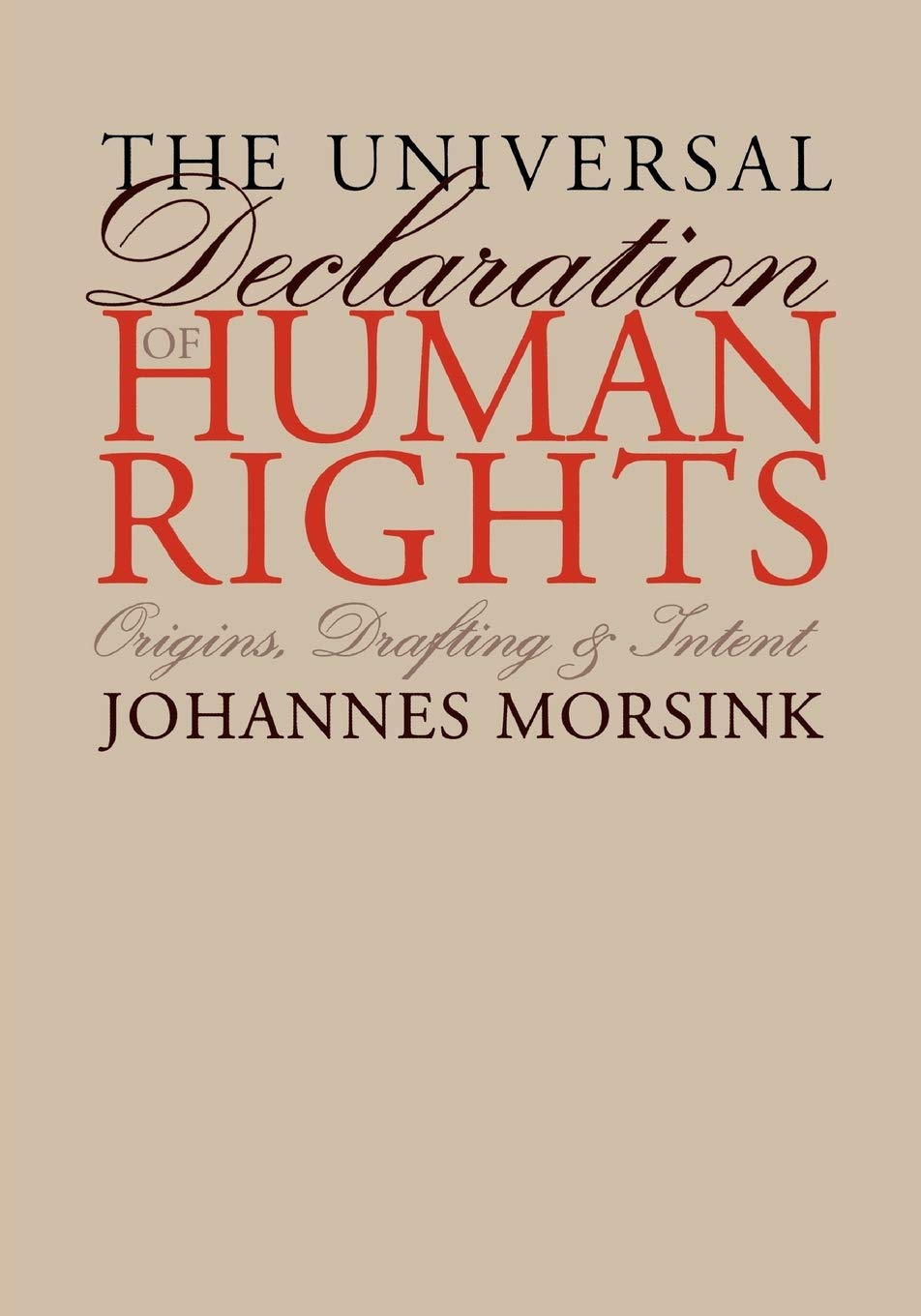
The Universal Declaration of Human Rights: Origins, Drafting, and Intent (Pennsylvania Studies in Human Rights),Used
Sold by Ergodebooks, an authorized reseller.
Returns accepted within 30 days | support@ergodebooks.com
Shipping Information
- Free Standard Shipping — United States only
- Processing Time: 3–5 business days
- Estimated Delivery: 6–10 business days after dispatch
- Double-boxed, fully insured & discreetly packaged
- Tracking number sent via email once dispatched
Returns & Refund
Returns accepted within 30 days of delivery.
Damaged or Defective Item
Free return shipping + replacement or full refund
Wrong Item Received
Free return shipping + replacement or full refund
Change of Mind
Return shipping at customer's expense · 25% restocking fee applies
Payment Option

Selected by Choice magazine as an Outstanding Academic Book for 1999Born of a shared revulsion against the horrors of the Holocaust, the Universal Declaration of Human Rights has become the single most important statement of international ethics. It was inspired by and reflects the full scope of President Franklin Roosevelt's famous four freedoms: 'the freedom of speech and expression, the freedom of worship, the freedom from want, and the freedom from fear.' Written by a UN commission led by Eleanor Roosevelt and adopted in 1948, the Declaration has become the moral backbone of more than two hundred human rights instruments that are now a part of our world. The result of a truly international negotiating process, the document has been a source of hope and inspiration to thousands of groups and millions of oppressed individuals.
⚠️ WARNING (California Proposition 65):
This product may contain chemicals known to the State of California to cause cancer, birth defects, or other reproductive harm.
For more information, please visit www.P65Warnings.ca.gov.
- Q: What is the book's page count? A: This book contains three hundred ninety-six pages. It provides an in-depth exploration of the Universal Declaration of Human Rights.
- Q: What are the dimensions of this book? A: The book measures six point seventy-five inches in length, one inch in width, and nine point twenty-five inches in height. These dimensions make it a manageable size for reading.
- Q: What type of binding does this book have? A: This book is available in paperback binding. This format is lightweight and flexible, making it easy to handle.
- Q: Who is the author of this book? A: The author of this book is Johannes Morsink. He provides a comprehensive analysis of the origins and intent behind the Universal Declaration.
- Q: What is the genre of this book? A: This book falls under the Human Rights genre. It focuses on the historical and ethical aspects of human rights declaration.
- Q: How can I use this book in my studies? A: You can use this book as a primary source for studying human rights history. It is suitable for academic research or personal interest.
- Q: Is this book suitable for beginners in human rights studies? A: Yes, this book is suitable for beginners. It provides clear insights into the Universal Declaration and its implications.
- Q: What age group is this book appropriate for? A: This book is appropriate for high school students and above. It deals with complex topics that require mature understanding.
- Q: How should I store this book to keep it in good condition? A: Store this book in a cool, dry place away from direct sunlight. This helps prevent fading and deterioration of the paperback cover.
- Q: Can I clean the book if it gets dirty? A: Yes, you can clean the book by gently wiping the cover with a soft, dry cloth. Avoid using water or cleaners that may damage the pages.
- Q: Is there a warranty for this book? A: No, there is typically no warranty for books. However, you may check with the seller for any return policy.
- Q: What should I do if I receive a damaged copy of the book? A: If you receive a damaged copy, contact the seller immediately for a replacement or refund. Most sellers have specific policies for such situations.
- Q: How does this book compare to other human rights books? A: This book offers a unique perspective on the origins of the Universal Declaration, making it distinct from other works in the human rights field.
- Q: Is this book a good choice for a research paper on human rights? A: Yes, this book is an excellent choice for a research paper. It provides detailed analysis and historical context for the Universal Declaration.
- Q: Are there any illustrations or images in this book? A: No, this book does not contain illustrations or images. It focuses primarily on text and analysis.