
Title
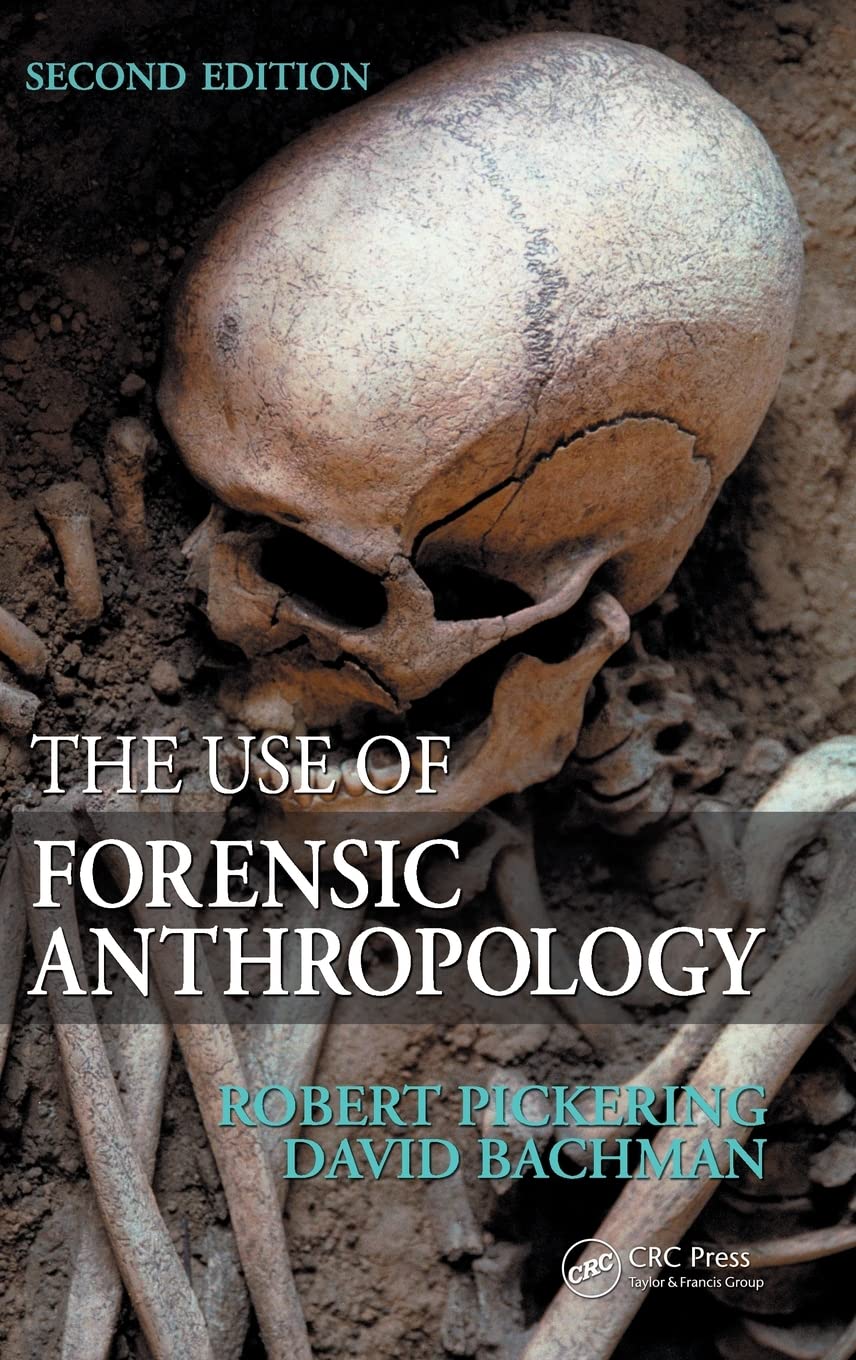
The Use of Forensic Anthropology,Used
Sold by Ergodebooks, an authorized reseller.
Returns accepted within 30 days | support@ergodebooks.com
Shipping Information
- Free Standard Shipping — United States only
- Processing Time: 3–5 business days
- Estimated Delivery: 6–10 business days after dispatch
- Double-boxed, fully insured & discreetly packaged
- Tracking number sent via email once dispatched
Returns & Refund
Returns accepted within 30 days of delivery.
Damaged or Defective Item
Free return shipping + replacement or full refund
Wrong Item Received
Free return shipping + replacement or full refund
Change of Mind
Return shipping at customer's expense · 25% restocking fee applies
Payment Option

A forensic investigation requires a team of specialists from many different scientific fields of study along with legal and law enforcement specialists. In recent years, the range of cases on which forensic anthropologists have been consulted has expanded dramatically. The Use of Forensic Anthropology provides these professionals with guidelines for determining how to choose and when to use a forensic anthropologist.The book begins with a historical overview of the field of forensic anthropology, and then presents basic information about how to approach a forensic recovery site. When skeletal or severely decomposed remains are discovered, normal methods of identification such as facial recognition and fingerprinting are ineffective. This book offers insights on how to find the right professional to assist with these difficult cases.One of the key features is a chapter which presents a series of ten questions that must be answered, in order, about each case. Using this checklist will ensure the team working on the case that no stone is left unturned. Later chapters examine the relevance of race, ethnicity, and ancestry, determination of time of death, new investigation techniques, DNA, and categories of trauma. The final chapter brings the various parts of the process together to reconstruct a case.The first responder to a scene with skeletal remains and the law enforcement agencies who become involved will likely be confronted with evidence that they cannot interpret. This volume provides a bridge for these professionals, enabling them to develop a standard protocol for investigating skeletal remains, highlighting important questions that must be answered, and assisting them in finding the right forensic anthropologist to solve the puzzle of an unexplained death.
⚠️ WARNING (California Proposition 65):
This product may contain chemicals known to the State of California to cause cancer, birth defects, or other reproductive harm.
For more information, please visit www.P65Warnings.ca.gov.