If you have any questions, you are always welcome to contact us. We'll get back to you as soon as possible, withing 24 hours on weekdays.
Customer service
All questions about your order, return and delivery must be sent to our customer service team by e-mail at yourstore@yourdomain.com
Sale & Press
If you are interested in selling our products, need more information about our brand or wish to make a collaboration, please contact us at press@yourdomain.com
Help
If you have any questions, you are always welcome to contact us. We'll get back to you as soon as possible, withing 24 hours on weekdays.
Customer service
All questions about your order, return and delivery must be sent to our customer service team by e-mail at yourstore@yourdomain.com
Sale & Press
If you are interested in selling our products, need more information about our brand or wish to make a collaboration, please contact us at press@yourdomain.com
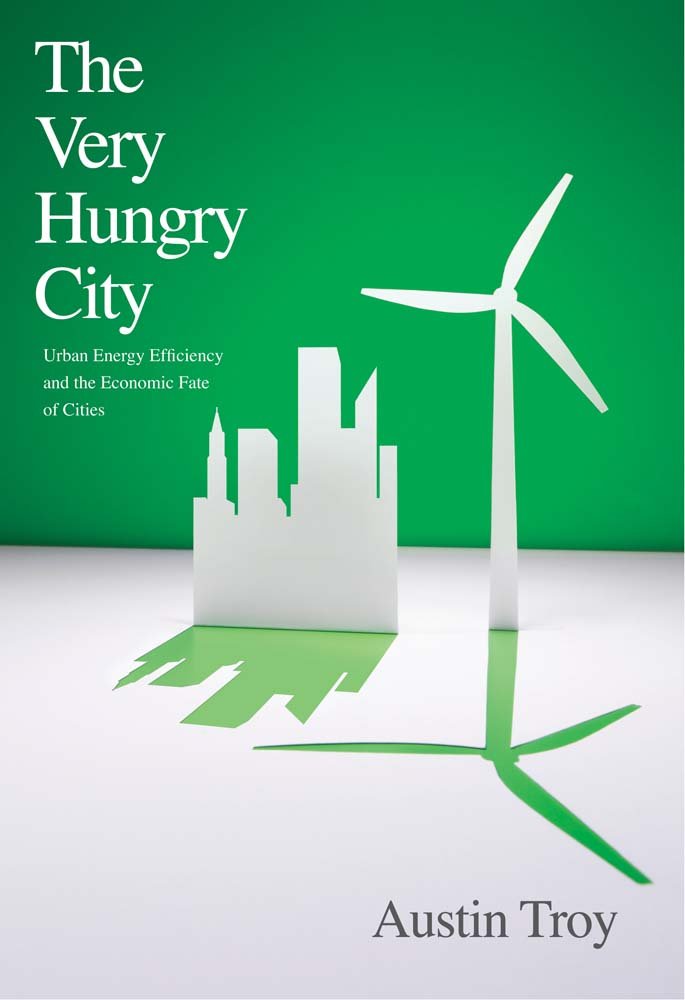
An important investigation of the ways that cities consume energy and how energy efficiency will determine which ones thrive in the futureAs global demand for energy grows and prices rise, a city's energy consumption becomes increasingly tied to its economic viability, warns the author of The Very Hungry City. Austin Troy, a seasoned expert in urban environmental management, explains for general readers how a city with a high "urban energy metabolism"that is, a city that needs large amounts of energy in order to functionwill be at a competitive disadvantage in the future. He explores why cities have different energy metabolisms and discusses an array of innovative approaches to the problems of expensive energy consumption.Troy looks at dozens of cities and suburbs in Europe and the United Statesfrom Los Angeles to Copenhagen, Denver to the Swedish urban redevelopment project Hammarby Sjstadto understand the diverse factors that affect their energy use: behavior, climate, water supply, building quality, transportation, and others. He then assesses some of the most imaginative solutions that cities have proposed, among them green building, energyefficient neighborhoods, symbiotic infrastructure, congestion pricing, transitoriented development, and water conservation. To conclude, the author addresses planning and policy approaches that can bring about change and transform the best ideas into real solutions.
⚠️ WARNING (California Proposition 65):
This product may contain chemicals known to the State of California to cause cancer,
birth defects, or other reproductive harm.
For MAP (Minimum Advertised Price) violations and Intellectual Property (IP) or Trademark concerns, please contact:
support@ergodebooks.com
⚠️ California Proposition 65 Warning: Some products sold on this website may expose you to chemicals known to the State of California to cause cancer, birth defects, or other reproductive harm. For more information, visit www.P65Warnings.ca.gov.