
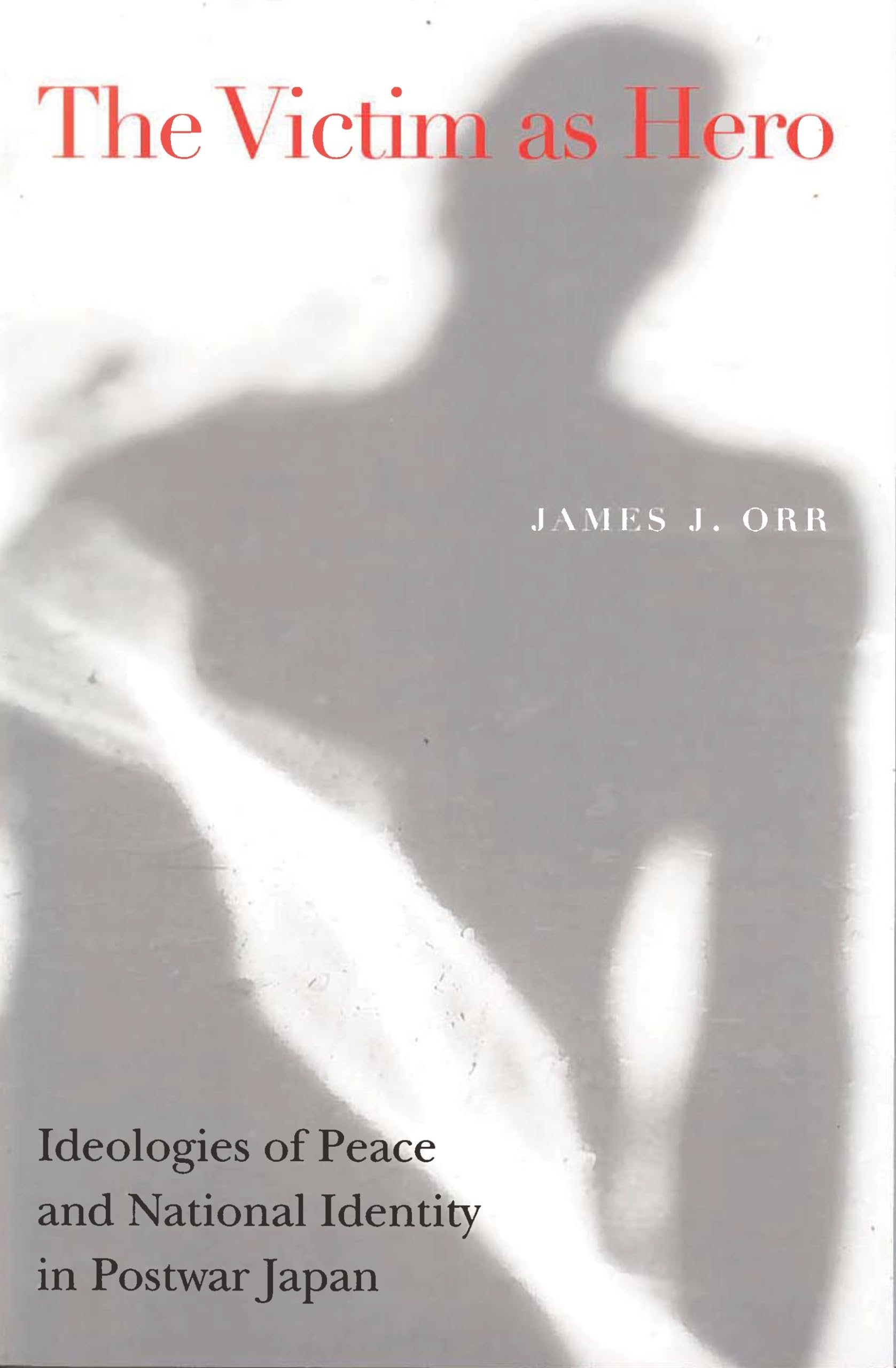
Title
The Victim As Hero: Ideologies Of Peace And National Identity In Postwar Japan,New
Sold by Ergodebooks, an authorized reseller.
Returns accepted within 30 days | support@ergodebooks.com
Shipping Information
- Free Standard Shipping — United States only
- Processing Time: 3–5 business days
- Estimated Delivery: 6–10 business days after dispatch
- Double-boxed, fully insured & discreetly packaged
- Tracking number sent via email once dispatched
Returns & Refund
Returns accepted within 30 days of delivery.
Damaged or Defective Item
Free return shipping + replacement or full refund
Wrong Item Received
Free return shipping + replacement or full refund
Change of Mind
Return shipping at customer's expense · 25% restocking fee applies
Payment Option

This Is The First Systematic, Historical Inquiry Into The Emergence Of 'Victim Consciousness' (Higaisha Ishiki) As An Essential Component Of Japanese Pacifist National Identity After World War Ii. In His Meticulously Crafted Narrative And Analysis, The Author Reveals How Postwar Japanese Elites And American Occupying Authorities Collaborated To Structure The Parameters Of Remembrance Of The War, Including The Notion That The Emperor And His People Had Been Betrayed And Duped By Militarists. He Goes On To Explain The Japanese Reliance On Victim Consciousness Through A Discussion Of The Banthebomb Movement Of The Mid1950S, Which Raised The Prominence Of Hiroshima As An Archetype Of War Victimhood And Brought About The Selective Focus On Japanese War Victimhood; The Political Strategies Of Three Selfdefined War Victim Groups (Abomb Victims, Repatriates, And Dispossessed Landlords) To Gain State Compensation And Hence Valorization Of Their War Victim Experiences; Shifting Textbook Narratives That Reflected Contemporary Attitudes And Structured Future Generations' Understanding Of The War; And Three Classic Antiwar Novels And Films That Contributed To The Shaping Of A 'Sentimental Humanism' That Continues To Leave A Strong Imprint On The Collective Japanese Conscience.
⚠️ WARNING (California Proposition 65):
This product may contain chemicals known to the State of California to cause cancer, birth defects, or other reproductive harm.
For more information, please visit www.P65Warnings.ca.gov.
- Q: How many pages does the book have? A: The book has two hundred eighty pages. This length allows for an in-depth exploration of its themes.
- Q: What is the binding type of this book? A: This book is a paperback edition. Paperback bindings are lightweight and flexible, making them easy to handle.
- Q: What are the dimensions of the book? A: The book measures six point zero two inches long, zero point seven two inches wide, and eight point nine eight inches high. These dimensions make it a convenient size for reading.
- Q: Who is the author of the book? A: The author is James J. Orr. His expertise lends credibility to the book's analysis of Japanese national identity.
- Q: What is the main theme of the book? A: The main theme is the emergence of victim consciousness in postwar Japan. It explores how this shaped Japanese pacifist identity.
- Q: Is this book suitable for academic research? A: Yes, this book is suitable for academic research. It provides a systematic historical inquiry into significant cultural topics.
- Q: How does the book explore Japanese victim consciousness? A: The book examines the collaboration between Japanese elites and American authorities. It discusses how these groups shaped war remembrance.
- Q: Can this book be read by beginners? A: Yes, beginners can read this book. Its clear narrative makes complex themes accessible to a general audience.
- Q: What genre does this book belong to? A: This book belongs to the genre of historical analysis. It focuses on postwar Japanese history and national identity.
- Q: How should I store this book? A: Store this book in a cool, dry place. Avoid direct sunlight to prevent fading of the cover and pages.
- Q: Is there a warranty or return policy for this book? A: Most books do not come with a warranty, but you can check the return policy from your retailer. Typically, returns are accepted if the book is in good condition.
- Q: What should I do if the book arrives damaged? A: If the book arrives damaged, contact the retailer for a replacement or refund. Keep the original packaging for reference.
- Q: How do I clean this book? A: To clean the book, gently wipe the cover with a dry cloth. Avoid using water or cleaning solutions, as they can damage the pages.
- Q: Is the book appropriate for all ages? A: Yes, this book is appropriate for most ages. However, it deals with complex themes that may require adult guidance.
- Q: What are some key topics covered in the book? A: Key topics include the ban-the-bomb movement and the political strategies of Japanese war victim groups. These discussions provide insight into postwar Japanese society.
- Q: How does the book contribute to understanding Japanese history? A: The book offers a unique perspective on how victim consciousness shaped national identity. It helps readers understand the complexities of postwar Japan.