If you have any questions, you are always welcome to contact us. We'll get back to you as soon as possible, withing 24 hours on weekdays.
Customer service
All questions about your order, return and delivery must be sent to our customer service team by e-mail at yourstore@yourdomain.com
Sale & Press
If you are interested in selling our products, need more information about our brand or wish to make a collaboration, please contact us at press@yourdomain.com
Help
If you have any questions, you are always welcome to contact us. We'll get back to you as soon as possible, withing 24 hours on weekdays.
Customer service
All questions about your order, return and delivery must be sent to our customer service team by e-mail at yourstore@yourdomain.com
Sale & Press
If you are interested in selling our products, need more information about our brand or wish to make a collaboration, please contact us at press@yourdomain.com
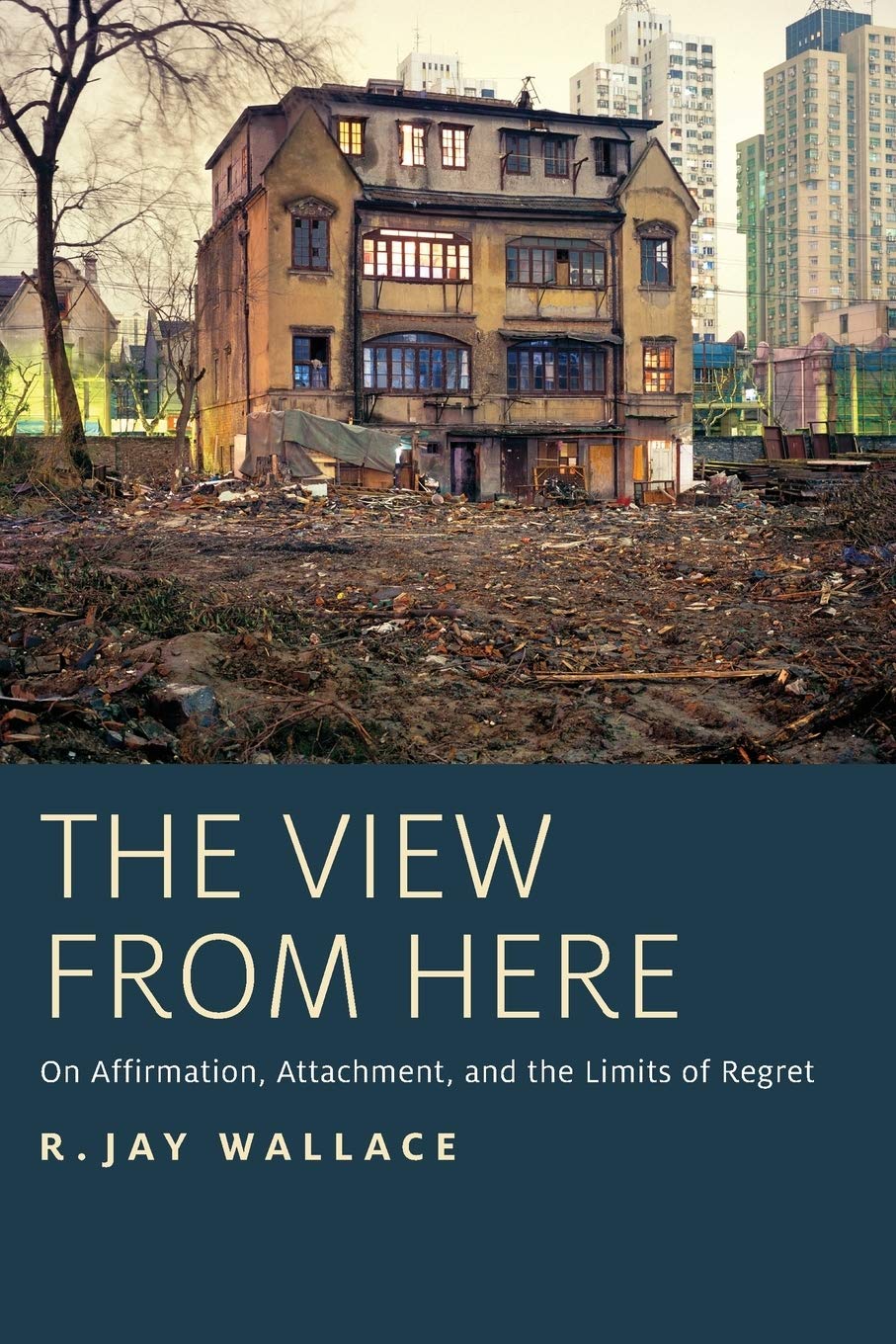
Must we always later regret actions that were wrong for us to perform at the time? Can there ever be good reason to affirm things in the past that we know were unfortunate? In this original work of moral philosophy, R. Jay Wallace shows that the standpoint from which we look back on our lives is shaped by our present attachmentsto persons, to the projects that imbue our lives with meaning, and to life itself. Through a distinctive 'affirmation dynamic', these attachments commit us to affirming the necessary conditions of their objects. The result is that we are sometimes unable to regret events and circumstances that were originally unjustified or otherwise somehow objectionable.Wallace traces these themes through a range of examples. A teenage girl makes an illadvised decision to conceive a child but her love for the child once it has been born makes it impossible for her to regret that earlier decision. The painter Paul Gauguin abandons his family to pursue his true artistic calling (and eventual life project) in Tahitiwhich means he cannot truly regret his abdication of familial responsibility. The View from Here offers new interpretations of these classic cases, challenging their treatment by Bernard Williams and others. Another example is the 'bourgeois predicament': we are committed to affirming the regrettable social inequalities that make possible the expensive activities that give our lives meaning. Generalizing from such situations, Wallace defends the view that our attachments inevitably commit us to affirming historical conditions that we cannot regard as worthy of being affirmeda modest form of nihilism.
⚠️ WARNING (California Proposition 65):
This product may contain chemicals known to the State of California to cause cancer,
birth defects, or other reproductive harm.
For MAP (Minimum Advertised Price) violations and Intellectual Property (IP) or Trademark concerns, please contact:
support@ergodebooks.com
⚠️ California Proposition 65 Warning: Some products sold on this website may expose you to chemicals known to the State of California to cause cancer, birth defects, or other reproductive harm. For more information, visit www.P65Warnings.ca.gov.