
Title
The Vigorous Core of Our Nationality: Race and Regional Identity in Northeastern Brazil (Pitt Latin American Series),Used
Sold by Ergodebooks, an authorized reseller.
Returns accepted within 30 days | support@ergodebooks.com
Shipping Information
- Free Standard Shipping — United States only
- Processing Time: 3–5 business days
- Estimated Delivery: 6–10 business days after dispatch
- Double-boxed, fully insured & discreetly packaged
- Tracking number sent via email once dispatched
Returns & Refund
Returns accepted within 30 days of delivery.
Damaged or Defective Item
Free return shipping + replacement or full refund
Wrong Item Received
Free return shipping + replacement or full refund
Change of Mind
Return shipping at customer's expense · 25% restocking fee applies
Payment Option

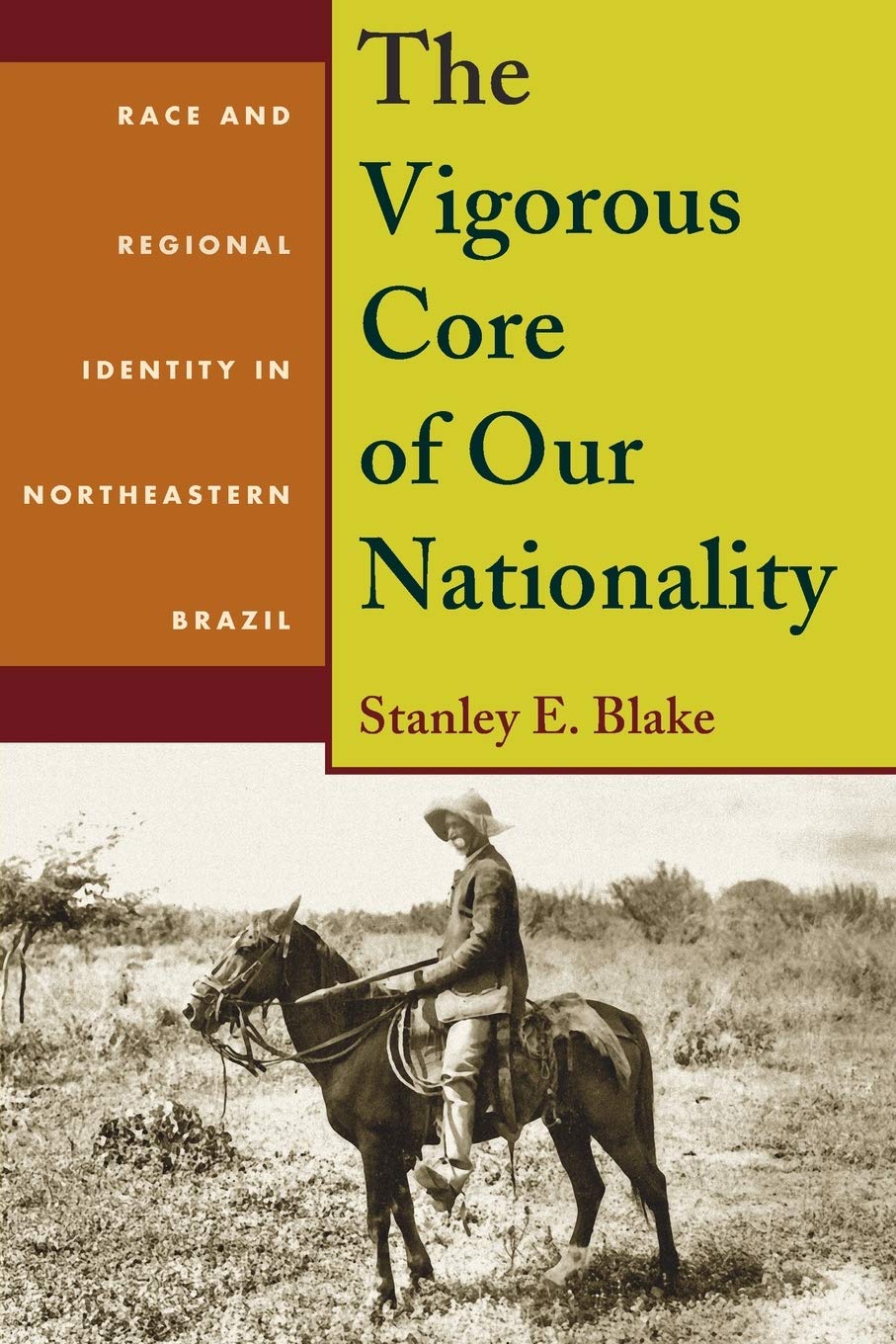
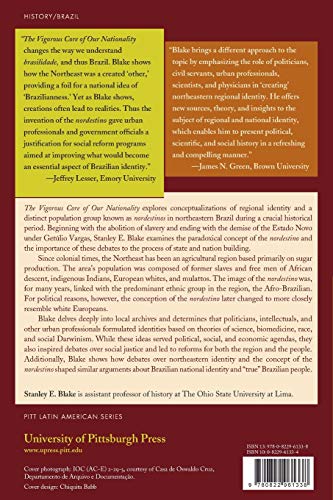
The Vigorous Core of Our Nationality explores conceptualizations of regional identity and a distinct population group known as nordestinos in northeastern Brazil during a crucial historical period. Beginning with the abolition of slavery and ending with the demise of the Estado Novo under Getlio Vargas, Stanley E. Blake offers original perspectives on the paradoxical concept of the nordestino and the importance of these debates to the process of state and nation building.Since colonial times, the Northeast has been an agricultural region based primarily on sugar production. The areas population was composed of former slaves and free men of African descent, indigenous Indians, European whites, and mulattos. The image of the nordestino was, for many years, linked with the predominant ethnic group in the region, the AfroBrazilian. For political reasons, however, the conception of the nordestino later changed to more closely resemble white Europeans.Blake delves deeply into local archives and determines that politicians, intellectuals, and other urban professionals formulated identities based on theories of science, biomedicine, race, and social Darwinism. While these ideas served political, social, and economic agendas, they also inspired debates over social justice and led to reforms for both the region and the people. Additionally, Blake shows how debates over northeastern identity and the concept of the nordestino shaped similar arguments about Brazilian national identity and true Brazilian people.
⚠️ WARNING (California Proposition 65):
This product may contain chemicals known to the State of California to cause cancer, birth defects, or other reproductive harm.
For more information, please visit www.P65Warnings.ca.gov.