
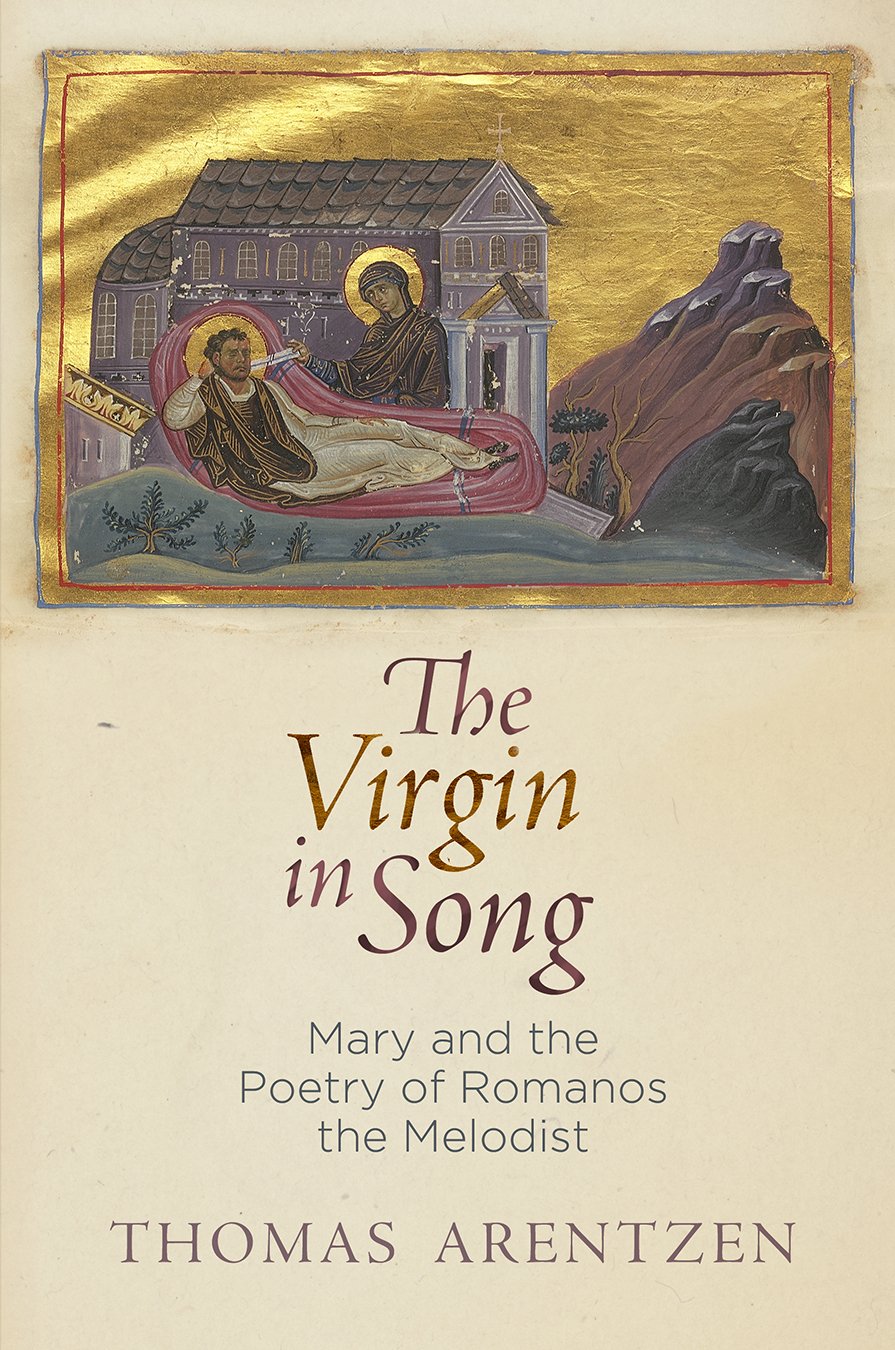
Title
The Virgin In Song: Mary And The Poetry Of Romanos The Melodist (Divinations: Rereading Late Ancient Religion)
Sold by Ergodebooks, an authorized reseller.
Returns accepted within 30 days | support@ergodebooks.com
Shipping Information
- Free Standard Shipping — United States only
- Processing Time: 3–5 business days
- Estimated Delivery: 6–10 business days after dispatch
- Double-boxed, fully insured & discreetly packaged
- Tracking number sent via email once dispatched
Returns & Refund
Returns accepted within 30 days of delivery.
Damaged or Defective Item
Free return shipping + replacement or full refund
Wrong Item Received
Free return shipping + replacement or full refund
Change of Mind
Return shipping at customer's expense · 25% restocking fee applies
Payment Option

According To Legend, The Virgin Appeared One Christmas Eve To An Artless Young Man Standing In One Of Constantinople'S Most Famous Marian Shrines. She Offered Him A Scroll Of Papyrus With The Injunction That He Swallow It, And Following The Virgin'S Command, He Did So. Immediately His Voice Turned Sweet And Gentle As He Spontaneously Intoned His Hymn The Virgin Today Gives Birth. So Was Born The Career Of Romanos The Melodist (Ca. 485560), One Of The Greatest Liturgical Poets Of Byzantium, Author Of At Least Sixty Long Hymns, Or Kontakia, That Were Chanted During The Night Vigils Preceding Major Feasts And Festivals.In The Virgin In Song, Thomas Arentzen Explores The Characterization Of Mary In These Kontakia And The Ways In Which The Kontakia Echoed The Cult Of The Virgin. He Focuses On Three Key Moments In Her Story As Marked In The Liturgical Calendar: Her Encounter With Gabriel At The Annunciation, Her Child'S Birth At Christmas, And The Death Of Her Son On Good Friday. Consistently, Arentzen Contends, Romanos Counters Expectations By Shifting Emphasis Away From Christ Himself To Focus On Maryas The Subject Of The Erotic Gaze, As A Breastfeeding Figure Of Abundance And Fertility, And Finally As An Authoritatively Vocal Woman Who Conveys The Secrets Of Her Son And The Joys Of The Resurrection.Through His Hymns, Romanos Inspired An Affective Relationship Between Mary And His Audience, Bringing The Human And The Holy Into Dialogue. By Plumbing Her Emotional Depths, The Poet Traces Her Process Of Understanding As She Apprehends The Mysteries That She Embodies. By Giving Her A Powerful Voice, He Grants Subjectivity To A Maiden Who Becomes A Mediator. Romanos Shaped A Figure, Arentzen Argues, Who Related Intimately To Her Flock In A Formative Period Of Christian Orthodoxy.
⚠️ WARNING (California Proposition 65):
This product may contain chemicals known to the State of California to cause cancer, birth defects, or other reproductive harm.
For more information, please visit www.P65Warnings.ca.gov.
- Q: How many pages does the book have? A: The book contains two hundred eighty-eight pages. It explores the poetry of Romanos the Melodist and the figure of Mary.
- Q: What is the binding of the book? A: The book is bound in hardcover. This provides durability and protection for the content within.
- Q: What are the dimensions of the book? A: The book measures six point two six inches in length, one inch in width, and nine point two five inches in height. These dimensions make it a portable read.
- Q: Who is the author of the book? A: The author is Thomas Arentzen. He examines the role of Mary in the hymns of Romanos the Melodist.
- Q: What genre does this book belong to? A: This book belongs to the Medieval genre. It specifically focuses on late ancient religious poetry.
- Q: What is the main theme of the book? A: The main theme centers on the characterization of Mary in Romanos's kontakia. It delves into her emotional journey and significance in the liturgical context.
- Q: How do I approach reading this book? A: You can read this book at your own pace. It is suitable for those interested in Medieval literature and Christian theology.
- Q: Is this book suitable for academic study? A: Yes, this book is suitable for academic study. It provides insights into Byzantine poetry and the cult of the Virgin Mary.
- Q: Can this book be read by beginners? A: Yes, beginners can read this book. However, some familiarity with Medieval literature may enhance understanding.
- Q: How should I store this book? A: Store this book in a cool, dry place. Keep it upright on a shelf to prevent damage to the spine.
- Q: Is the book safe to handle? A: Yes, the book is safe to handle. It is made with quality materials that ensure longevity and usability.
- Q: What if I want to return the book? A: Check the return policy of the retailer where you purchased it. Most allow returns within a specified timeframe.
- Q: What if the book arrives damaged? A: If the book arrives damaged, contact the seller immediately for assistance. They typically offer returns or exchanges.
- Q: Does this book have any illustrations? A: No, this book does not contain illustrations. It focuses on text and analysis of Romanos's poetry.
- Q: Is there a digital version of this book? A: Yes, a digital version may be available. Check online retailers for e-book formats.
- Q: How can I find more books like this? A: Look for books in the Medieval genre or works about Byzantine literature. Academic libraries often have similar titles.