If you have any questions, you are always welcome to contact us. We'll get back to you as soon as possible, withing 24 hours on weekdays.
Customer service
All questions about your order, return and delivery must be sent to our customer service team by e-mail at yourstore@yourdomain.com
Sale & Press
If you are interested in selling our products, need more information about our brand or wish to make a collaboration, please contact us at press@yourdomain.com
Help
If you have any questions, you are always welcome to contact us. We'll get back to you as soon as possible, withing 24 hours on weekdays.
Customer service
All questions about your order, return and delivery must be sent to our customer service team by e-mail at yourstore@yourdomain.com
Sale & Press
If you are interested in selling our products, need more information about our brand or wish to make a collaboration, please contact us at press@yourdomain.com
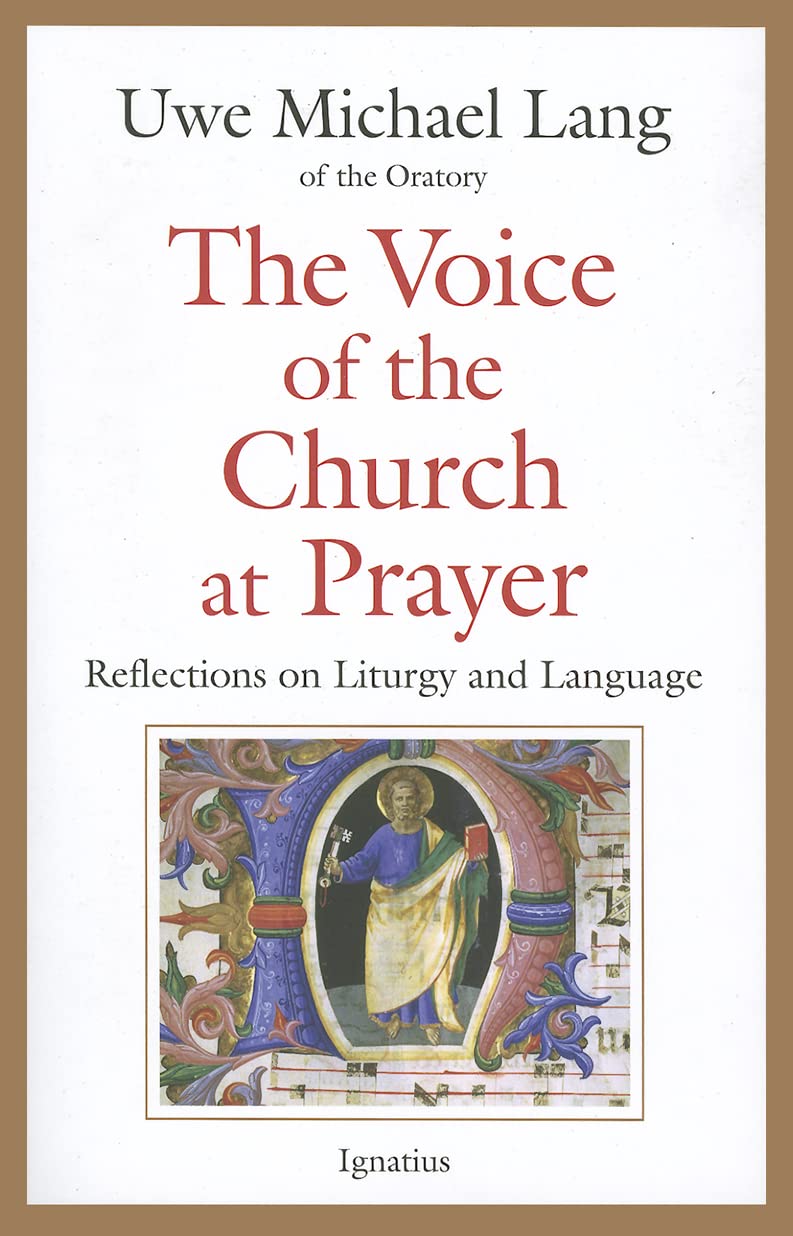
Pope Benedict XVI has made the liturgy a central theme of his pontificate, and he has paid special attention to the vitally important role of language in prayer. This historical and theological study of the changing role of Latin in the Roman Catholic Church sheds light on some of the Holy Father's concerns and some of his recent decisions about the liturgy.The Fathers of the Second Vatican Council allowed for extended use of the vernacular at Mass, but they maintained that Latin deserved pride of place in the Roman Rite. The outcome, however, was that modern translations of the prayers of the Mass replaced the Latin prayers.What was the reason for the Council's decision and why is there now a desire for greater use of Latin in Catholic worship? Why have some postconciliar English translations of the prayers of the Mass been replaced?Fr. Lang answers these questions by first analyzing the nature of sacred language. He then traces the beginnings of Christian prayer to the Scriptures and the Greek spoken at the time of the apostles. Next he recounts the slow and gradual development of Latin into the sacred language of the Western Church and its continuing use throughout the Middle Ages. Finally, he addresses the rise of modern languages and the ongoing question of whether the participation of the laity at Mass is either helped or hindered by the use of Latin.
⚠️ WARNING (California Proposition 65):
This product may contain chemicals known to the State of California to cause cancer,
birth defects, or other reproductive harm.
For MAP (Minimum Advertised Price) violations and Intellectual Property (IP) or Trademark concerns, please contact:
support@ergodebooks.com
⚠️ California Proposition 65 Warning: Some products sold on this website may expose you to chemicals known to the State of California to cause cancer, birth defects, or other reproductive harm. For more information, visit www.P65Warnings.ca.gov.