
Title
The Warrior Image: Soldiers In American Culture From The Second World War To The Vietnam Era,Used
Sold by Ergodebooks, an authorized reseller.
Returns accepted within 30 days | support@ergodebooks.com
Shipping Information
- Free Standard Shipping — United States only
- Processing Time: 3–5 business days
- Estimated Delivery: 6–10 business days after dispatch
- Double-boxed, fully insured & discreetly packaged
- Tracking number sent via email once dispatched
Returns & Refund
Returns accepted within 30 days of delivery.
Damaged or Defective Item
Free return shipping + replacement or full refund
Wrong Item Received
Free return shipping + replacement or full refund
Change of Mind
Return shipping at customer's expense · 25% restocking fee applies
Payment Option

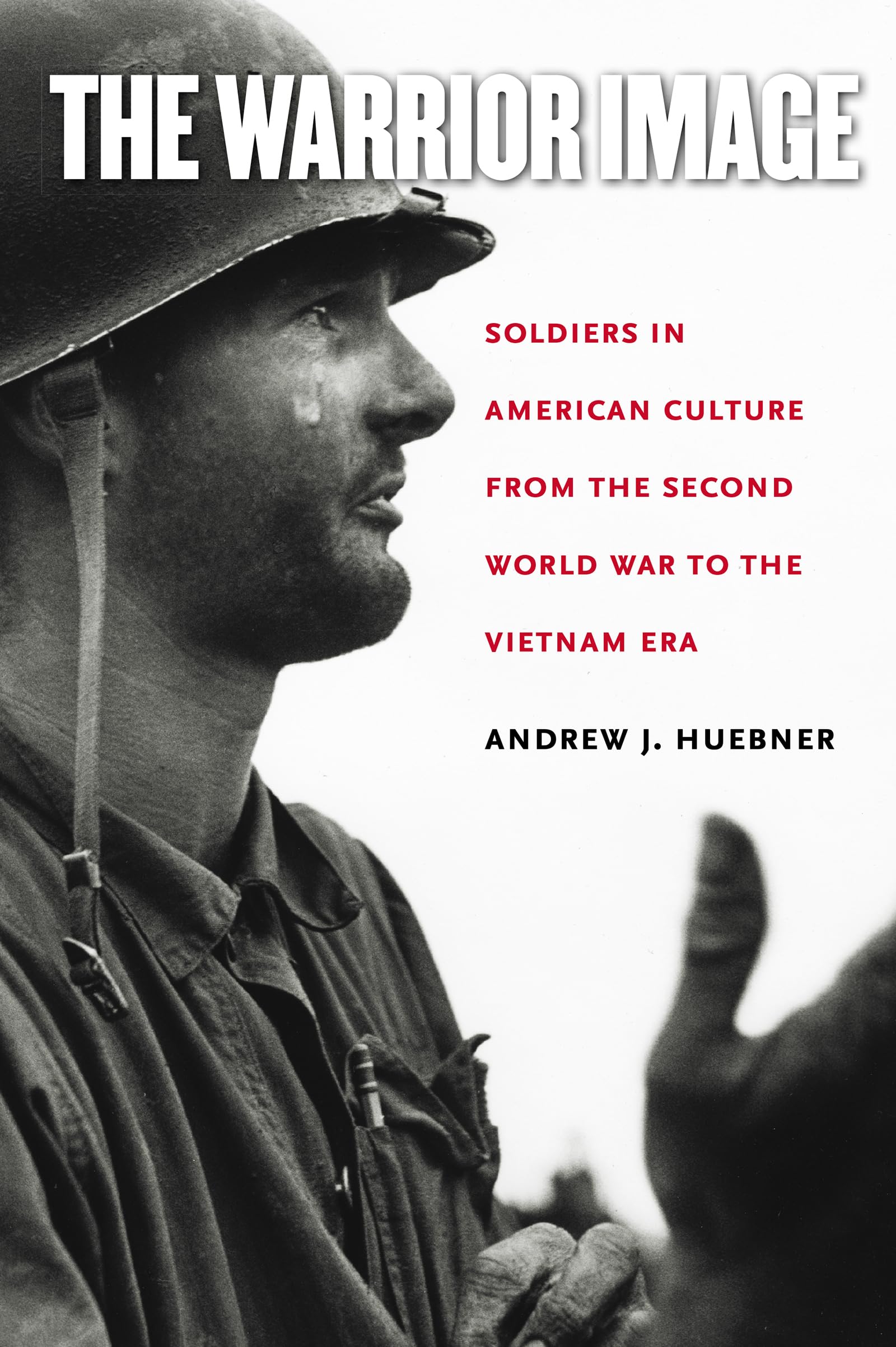
Images Of War Saturated American Culture Between The 1940S And The 1970S, As U.S. Troops Marched Off To Battle In World War Ii, The Korean War, And The Vietnam War. Exploring Representations Of Servicemen In The Popular Press, Government Propaganda, Museum Exhibits, Literature, Film, And Television, Andrew Huebner Traces The Evolution Of A Storied American Iconthe Combat Soldier.Huebner Challenges The Pervasive Assumption That Vietnam Brought Drastic Changes In Portrayals Of The American Warrior, With The Jaded Serviceman Of The 1960S And 1970S Shown In Stark Contrast To The Patriotic Citizensoldier Of World War Ii. In Fact, Huebner Shows, Cracks Began To Appear In Sentimental Images Of The Military Late In World War Ii And Were Particularly Apparent During The Korean Conflict. Journalists, Filmmakers, Novelists, And Poets Increasingly Portrayed The Steep Costs Of Combat, Depicting Soldiers Who Were Harmed Rather Than Hardened By War, Isolated From Rather Than Supported By Their Military Leadership And American Society. Across All Three Wars, Huebner Argues, The Warrior Image Conveyed A Growing Cynicism About Armed Conflict, The Federal Government, And Cold War Militarization.
⚠️ WARNING (California Proposition 65):
This product may contain chemicals known to the State of California to cause cancer, birth defects, or other reproductive harm.
For more information, please visit www.P65Warnings.ca.gov.
- Q: How many pages does the book have? A: This book contains three hundred eighty-four pages. It provides an in-depth exploration of soldiers in American culture.
- Q: What is the binding type of this book? A: The book is published in paperback format. This makes it lightweight and portable for easy reading.
- Q: What are the dimensions of the book? A: The dimensions are six point twelve inches in length, zero point eighty-seven inches in width, and nine point twenty-five inches in height. These measurements make it a standard-sized book.
- Q: How do I read this book? A: To read this book, simply open it and start from the first page. It is suitable for anyone interested in military history and cultural studies.
- Q: Is this book appropriate for young readers? A: Yes, this book is suitable for older teens and adults. It discusses themes of war and societal impacts, which may not be suitable for younger children.
- Q: Can I use this book for a school project? A: Yes, this book can be an excellent resource for school projects. It covers significant historical events and cultural representations of soldiers.
- Q: How should I store this book? A: Store this book in a cool, dry place, upright on a shelf. Avoid exposure to direct sunlight to preserve its condition.
- Q: What should I do if the book gets damaged? A: If the book gets damaged, consider using book repair tape for minor issues. For significant damage, consult a professional book repair service.
- Q: How can I keep this book in good condition? A: To maintain the book’s condition, avoid bending the spine excessively and keep it away from moisture. Regularly dust it to prevent dirt accumulation.
- Q: How does this book compare to others on military history? A: This book offers a unique perspective by focusing on cultural representations rather than just military strategies. It complements traditional military history books.
- Q: Is this book suitable for someone interested in propaganda? A: Yes, the book discusses government propaganda and its influence on the perception of soldiers. It’s ideal for readers interested in media studies.
- Q: What themes does the book explore? A: The book explores themes of war representation, the evolution of the soldier image, and societal attitudes towards military service. It provides a critical analysis of these topics.
- Q: Does the author have expertise in this field? A: Yes, Andrew Huebner is a respected author and historian. His expertise lends credibility to the analysis presented in this book.
- Q: What makes this book unique? A: This book is unique in its approach to analyzing the evolution of the soldier image in American culture, contrasting different wars and their representations.
- Q: Is this book based on academic research? A: Yes, the book is based on extensive research and analysis of various media sources, providing a scholarly perspective on its subject matter.