
Title
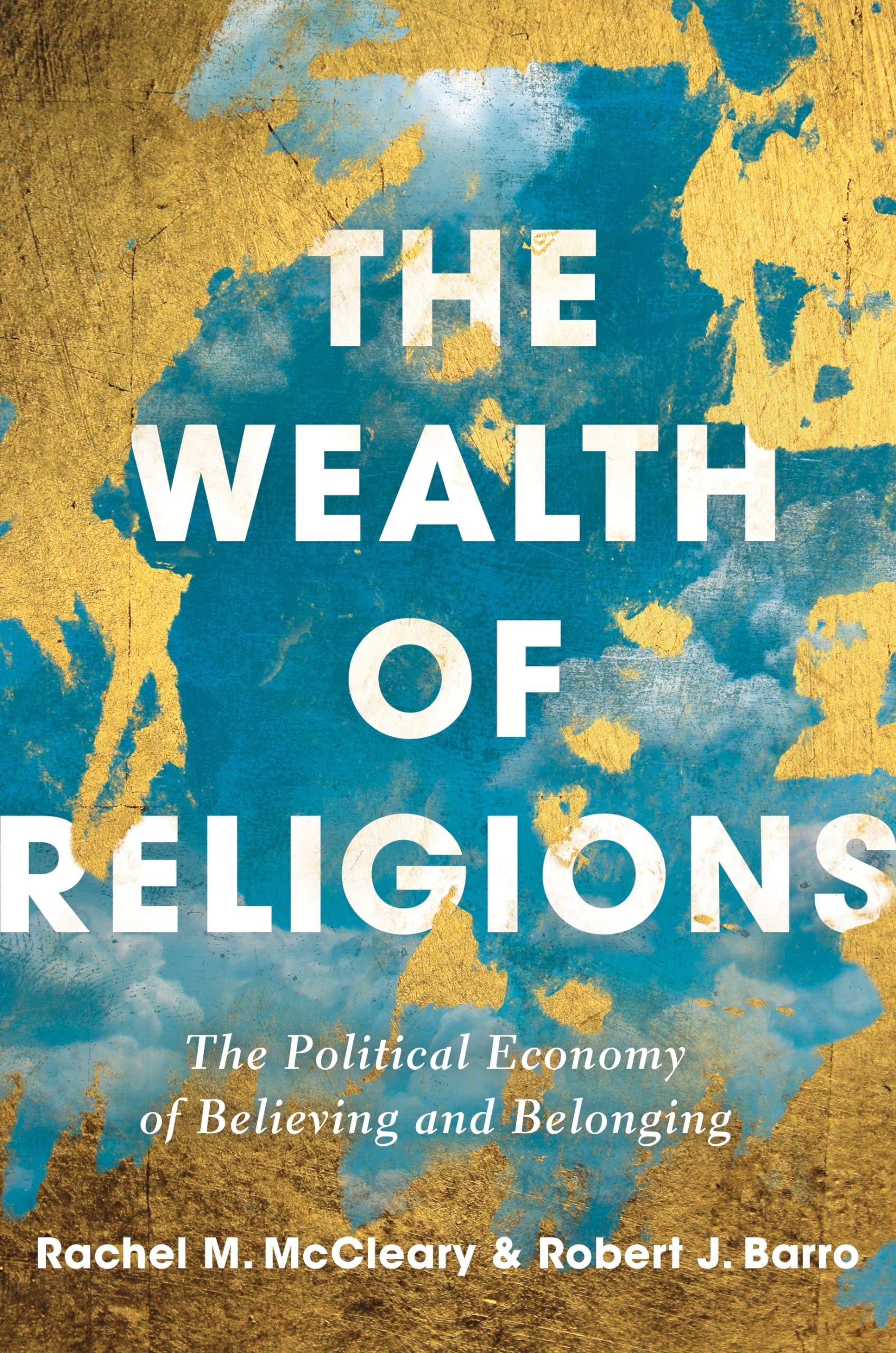
The Wealth of Religions: The Political Economy of Believing and Belonging,Used
Sold by Ergodebooks, an authorized reseller.
Returns accepted within 30 days | support@ergodebooks.com
Shipping Information
- Free Standard Shipping — United States only
- Processing Time: 3–5 business days
- Estimated Delivery: 6–10 business days after dispatch
- Double-boxed, fully insured & discreetly packaged
- Tracking number sent via email once dispatched
Returns & Refund
Returns accepted within 30 days of delivery.
Damaged or Defective Item
Free return shipping + replacement or full refund
Wrong Item Received
Free return shipping + replacement or full refund
Change of Mind
Return shipping at customer's expense · 25% restocking fee applies
Payment Option

How religious beliefs and practices can influence the wealth of nationsWhich countries grow faster economicallythose with strong beliefs in heaven and hell or those with weak beliefs in them? Does religious participation matter? Why do some countries experience secularization while others are religiously vibrant? In The Wealth of Religions, Rachel McCleary and Robert Barro draw on their long record of pioneering research to examine these and many other aspects of the economics of religion. Places with firm beliefs in heaven and hell measured relative to the time spent in religious activities tend to be more productive and experience faster growth. Going further, there are two directions of causation: religiosity influences economic performance and economic development affects religiosity. Dimensions of economic developmentsuch as urbanization, education, health, and fertilitymatter too, interacting differently with religiosity. State regulation and subsidization of religion also play a role.The Wealth of Religions addresses the effects of religious beliefs on character traits such as work ethic, thrift, and honesty; the Protestant Reformation and its longterm effects on education and religious competition; Communisms suppression of and competition with religion; the effects of Islamic laws and regulations on the functioning of markets and, hence, on the longterm development of Muslim countries; why some countries have state religions; analogies between religious groups and terrorist organizations; the violent origins of the Dalai Lamas brand of Tibetan Buddhism; and the use by the Catholic Church of saintmaking as a way to compete against the rise of Protestant Evangelicals.Timely and incisive, The Wealth of Religions provides fresh insights into the vital interplay between religion, markets, and economic development.
⚠️ WARNING (California Proposition 65):
This product may contain chemicals known to the State of California to cause cancer, birth defects, or other reproductive harm.
For more information, please visit www.P65Warnings.ca.gov.