
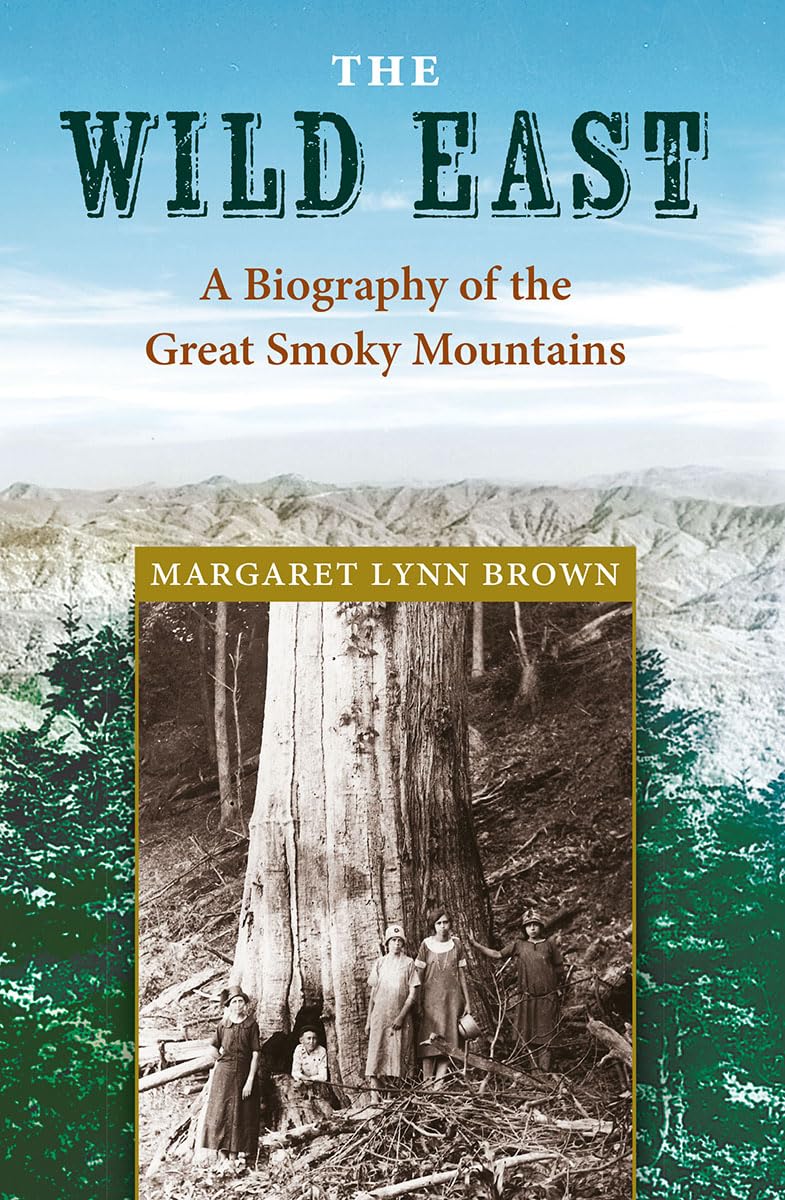
Title
The Wild East (New Perspectives On The History Of The South),New
Sold by Ergodebooks, an authorized reseller.
Returns accepted within 30 days | support@ergodebooks.com
Shipping Information
- Free Standard Shipping — United States only
- Processing Time: 3–5 business days
- Estimated Delivery: 6–10 business days after dispatch
- Double-boxed, fully insured & discreetly packaged
- Tracking number sent via email once dispatched
Returns & Refund
Returns accepted within 30 days of delivery.
Damaged or Defective Item
Free return shipping + replacement or full refund
Wrong Item Received
Free return shipping + replacement or full refund
Change of Mind
Return shipping at customer's expense · 25% restocking fee applies
Payment Option

The Wild East is a graceful, accurate, and, in its subdued way, a passionate account. The author calls it a biography of the great Smokies and it does strike a more intimate note than similar histories usually do. I find it not only a valuable document but a friendly and interesting book. Margaret Lynn Brown has a deft touch.Fred Chappell, author of Look Back All the Green ValleyThe Wild East explores the social, political, and environmental changes in the Great Smoky Mountains during the 19th and 20th centuries. Although this national park is most often portrayed as a triumph of wilderness preservation, Margaret Lynn Brown concludes that the largest forested region in the eastern United States is actually a recreated wildernessa product of restoration and even manipulation of the land.Several hundred years before white settlement, Cherokees farmed and hunted this land. Between 1910 and 1920, corporate lumbermen built railroads into the most remote watersheds and removed more than 60 percent of the oldgrowth forest. Despite this level of human impact, early promoters of a national park represented the land as an untouched wilderness and described the people living there as pioneers.During the 1930s, landscape architects and Civilian Conservation Corps workers transformed the Smokies, building trails, campgrounds, and facilities that memorialized the rustic ideals of Rooseveltstyle conservation. With the advent of the 1950s, enthusiasm for the national park system boomed again; cultural interpreters went to work to create a Ponderosalike scene in Cades Cove, while developers in Gatlinburg emulated the designs of western ski resorts. During the 1960s, however, wilderness advocates began lobbying for a less manicured, more naturallooking landscape.In the 1970s, Brown writes, the Smokies faced many of the consequences of these management decisions. Major crises with brook trout, black bears, and exotic species pushed park officials toward a greater regard for ecology. At the same time, scientists trained during the environmental movement foraged through the land's history and sought to recreate the look of the landscape before human settlement. Park management continues to waffle between these shifting views of wilderness, negotiating the often contradictory mission of promoting tourism and ensuring preservation.
⚠️ WARNING (California Proposition 65):
This product may contain chemicals known to the State of California to cause cancer, birth defects, or other reproductive harm.
For more information, please visit www.P65Warnings.ca.gov.