
Title

The Wilderness Debate Rages On: Continuing the Great New Wilderness Debate,Used
Sold by Ergodebooks, an authorized reseller.
Returns accepted within 30 days | support@ergodebooks.com
Shipping Information
- Free Standard Shipping — United States only
- Processing Time: 3–5 business days
- Estimated Delivery: 6–10 business days after dispatch
- Double-boxed, fully insured & discreetly packaged
- Tracking number sent via email once dispatched
Returns & Refund
Returns accepted within 30 days of delivery.
Damaged or Defective Item
Free return shipping + replacement or full refund
Wrong Item Received
Free return shipping + replacement or full refund
Change of Mind
Return shipping at customer's expense · 25% restocking fee applies
Payment Option

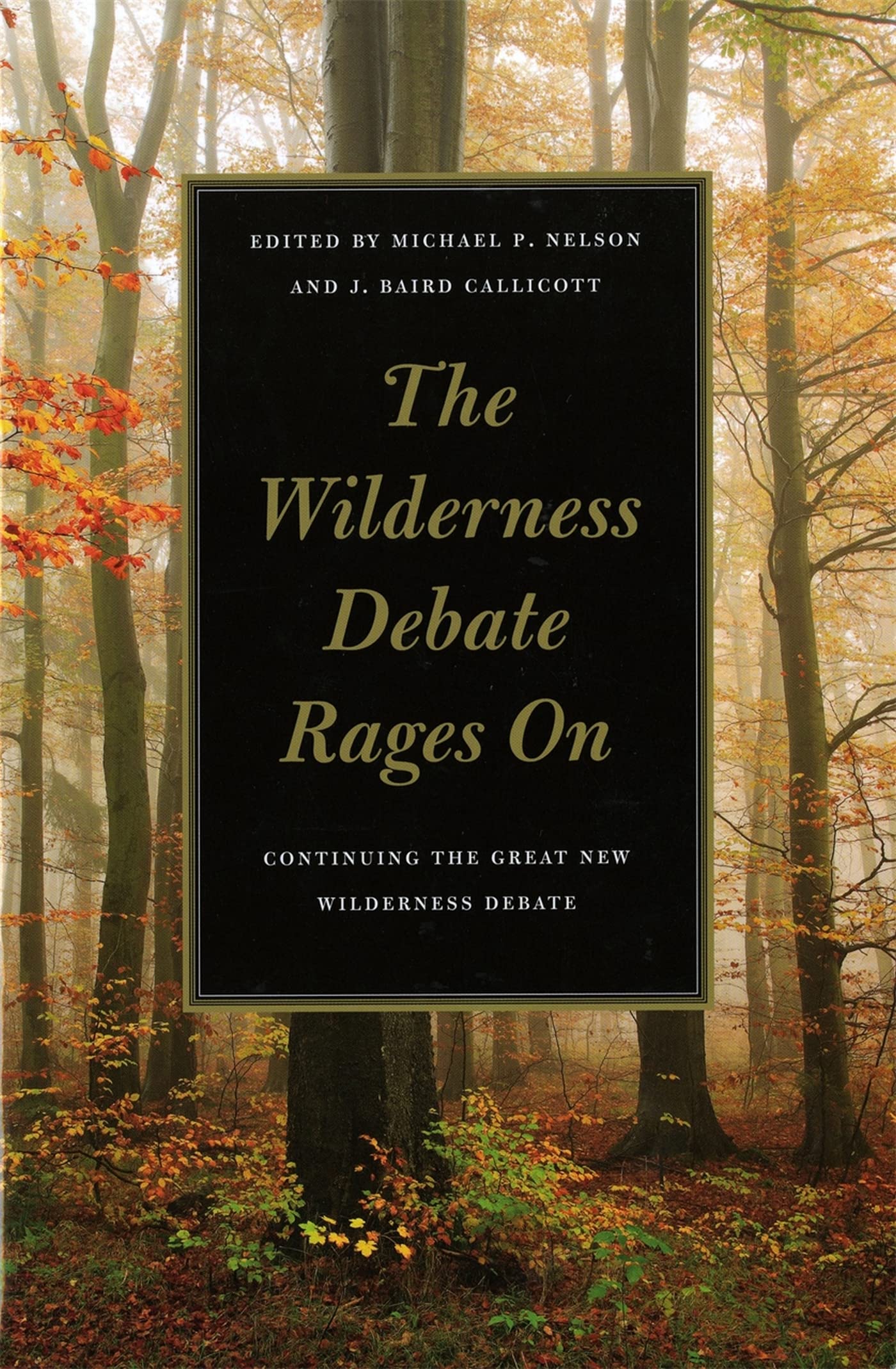
Ten years ago, The Great New Wilderness Debate began a crossdisciplinary conversation about the varied constructions of 'wilderness' and the controversies that surround them. The Wilderness Debate Rages On will reinvigorate that conversation and usher in a second decade of debate.Like its predecessor, the book gathers both critiques and defenses of the idea of wilderness from a wide variety of perspectives and voices. The Wilderness Debate Rages On includes the best explorations of the concept of the concept of wilderness from the past decade, underappreciated essays from the early twentieth century that offer an alternative vision of the concept and importance of wilderness, and writings meant to clarify or help us rethink the concept of wilderness. Narrative writers such as Wendell Berry, Scott Russell Sanders, Marilynne Robinson, Kathleen Dean Moore, and Lynn Maria Laitala are also given a voice in order to show how the wilderness debate is expanding outside the academy.The writers represented in the anthology include ecologists, environmental philosophers, conservation biologists, cultural geographers, and environmental activists. The book begins with littleknown papers by early twentiethcentury ecologists advocating the preservation of natural areas for scientific study, not, as did Thoreau, Muir, and the early Leopold, for purposes of outdoor recreation. The editors argue that had these writers influenced the eventual development of federal wilderness policy, our national wilderness system would better serve contemporary conservation priorities for representative ecosystems and biodiversity.
⚠️ WARNING (California Proposition 65):
This product may contain chemicals known to the State of California to cause cancer, birth defects, or other reproductive harm.
For more information, please visit www.P65Warnings.ca.gov.