
Title
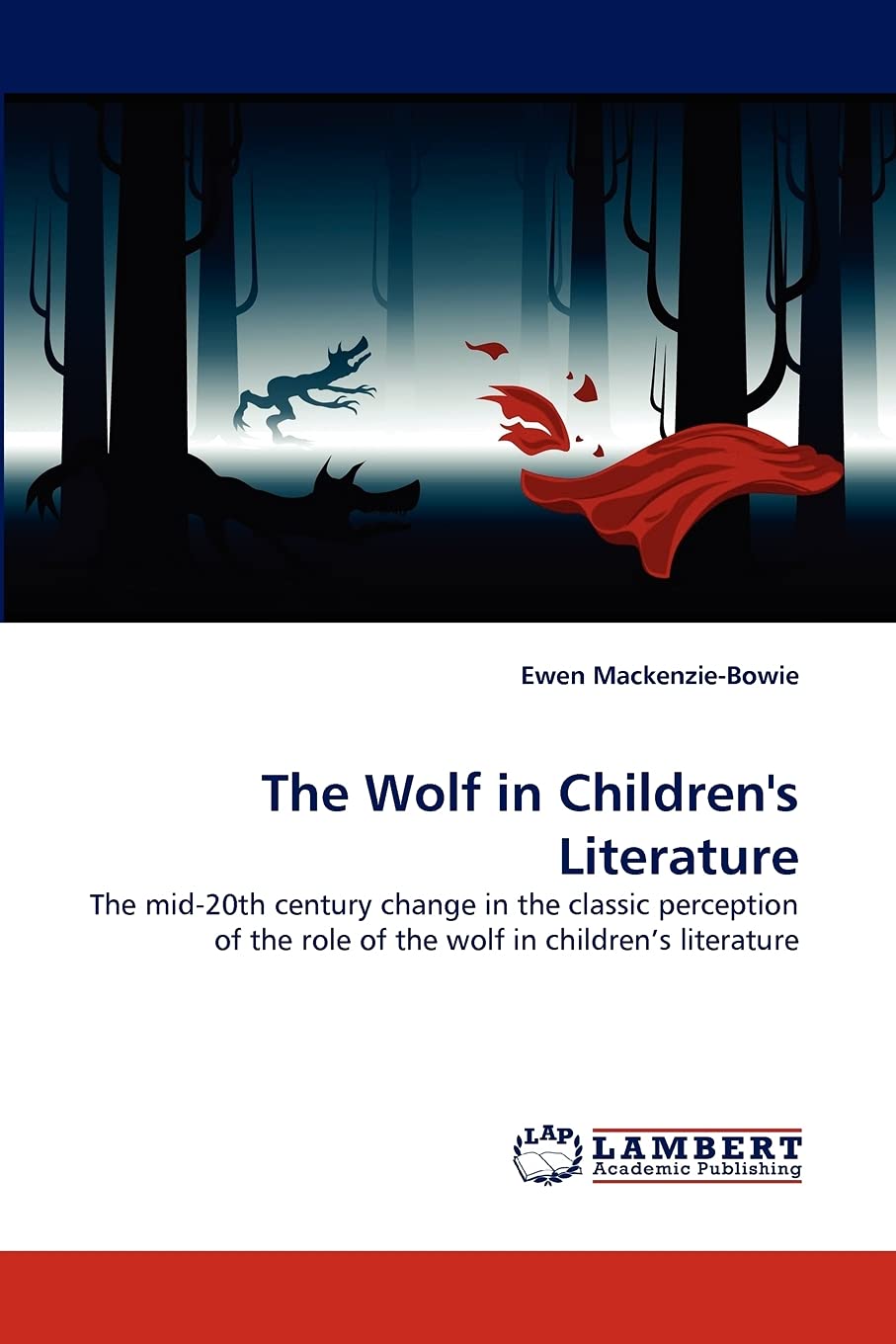
The Wolf in Children's Literature: The mid20th century change in the classic perception of the role of the wolf in children's l,Used
Sold by Ergodebooks, an authorized reseller.
Returns accepted within 30 days | support@ergodebooks.com
Shipping Information
- Free Standard Shipping — United States only
- Processing Time: 3–5 business days
- Estimated Delivery: 6–10 business days after dispatch
- Double-boxed, fully insured & discreetly packaged
- Tracking number sent via email once dispatched
Returns & Refund
Returns accepted within 30 days of delivery.
Damaged or Defective Item
Free return shipping + replacement or full refund
Wrong Item Received
Free return shipping + replacement or full refund
Change of Mind
Return shipping at customer's expense · 25% restocking fee applies
Payment Option

The perception of the wolf in children's literature has changed in the last generation from one that is essentially negative to a much more positive view. The late twentieth century values of heritage, preserving the environment and political correctness, among others, have transformed the wolf from a stereotypical villain, uncomplicatedly evil with evil intentions, into a misunderstood, if not actually heroic figure. The classic Halliwell rendition of The Three Little Pigs, with the wolf eating two pigs and only defeated from eating the third by its superiority of intelligence, has become Scieszka's version of a miscarriage of justice with the wolf as the victim, and Trivizas's story of wolves as heroes persecuted by the big bad pig. The wolf that for centuries was notorious for eating Red Riding Hood and her grandmother is now educated, socially aware, helps little boys pick wild strawberries and attends the Ballet. The hypothesis is supported by a survey of primary school children, which demonstrates an essentially sympathetic attitude to wolves.
⚠️ WARNING (California Proposition 65):
This product may contain chemicals known to the State of California to cause cancer, birth defects, or other reproductive harm.
For more information, please visit www.P65Warnings.ca.gov.