If you have any questions, you are always welcome to contact us. We'll get back to you as soon as possible, withing 24 hours on weekdays.
Customer service
All questions about your order, return and delivery must be sent to our customer service team by e-mail at yourstore@yourdomain.com
Sale & Press
If you are interested in selling our products, need more information about our brand or wish to make a collaboration, please contact us at press@yourdomain.com
Help
If you have any questions, you are always welcome to contact us. We'll get back to you as soon as possible, withing 24 hours on weekdays.
Customer service
All questions about your order, return and delivery must be sent to our customer service team by e-mail at yourstore@yourdomain.com
Sale & Press
If you are interested in selling our products, need more information about our brand or wish to make a collaboration, please contact us at press@yourdomain.com
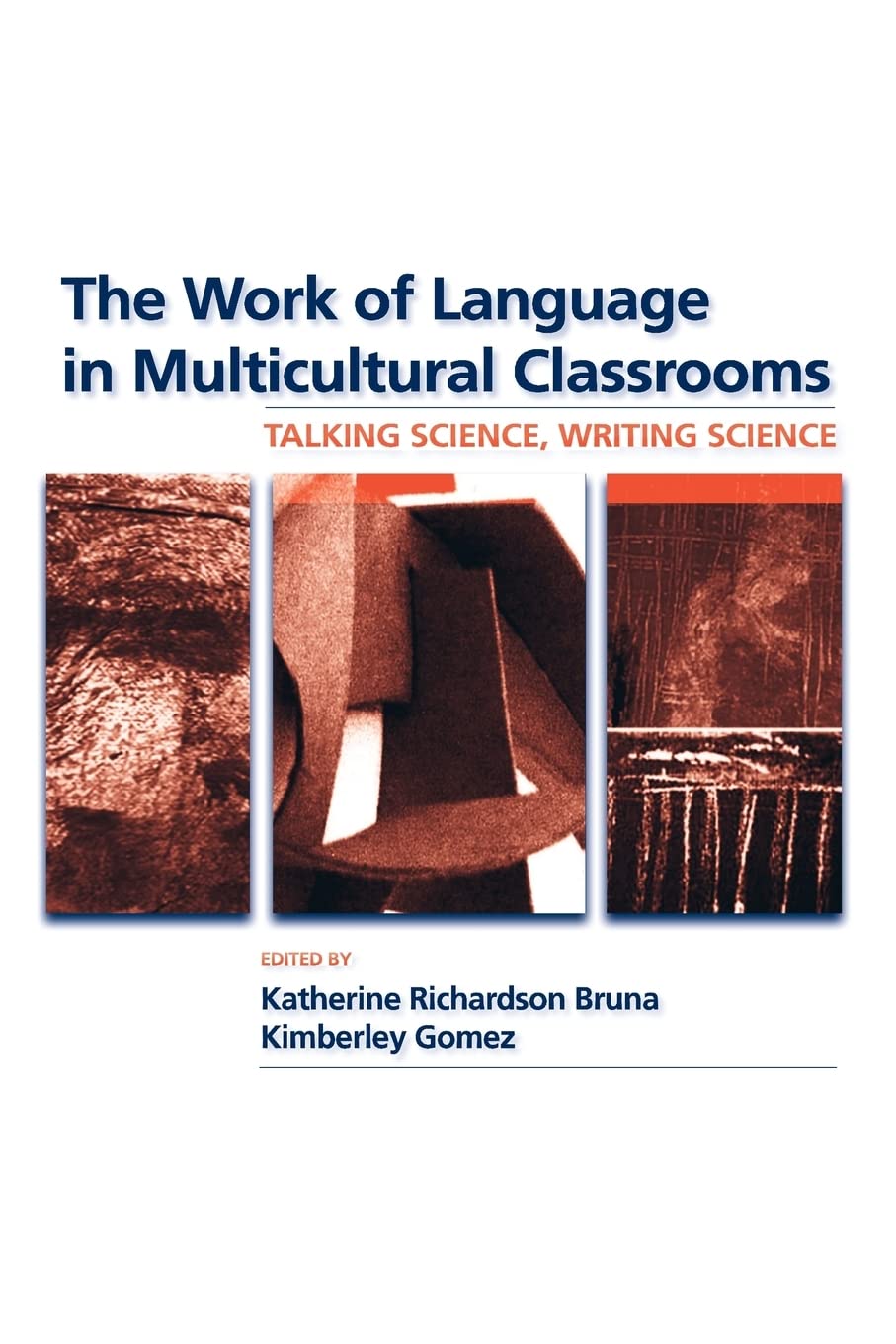
How does language comprise the implicit or explicit curriculum of teaching and learning in multicultural science settings? Building on a growing interest in the ways in which language and literacy practices interact with science teaching and learning to facilitate or obstruct successful student outcomes, this book contributes to scholarship on the role of language in developing classroom scientific communities of practice, expands that work by highlighting the challenges faced specifically by ethnic and linguistic"minority" students and their teachers in joining those communities, and showcases exemplary teaching and research initiatives for helping to meet these challenges.Offering teacher practitioners and researchers in the fields of science education and multicultural education lenses through which they can critically consider the myriad of classroom settings, instructional approaches, curricular materials, and scientific topics involved in what it means to teach science while pointedly addressing concerns about equity of educational opportunity, this volume serves as a powerful resource for linking theory and practice. Endofchapter reflection questions and engagement activities facilitate discussion round these issues and provide rich opportunities for the reader to consider the implications of each chapter for science instruction and research and to apply insights developed in a realworld science teaching and learning contexts.
⚠️ WARNING (California Proposition 65):
This product may contain chemicals known to the State of California to cause cancer,
birth defects, or other reproductive harm.
For MAP (Minimum Advertised Price) violations and Intellectual Property (IP) or Trademark concerns, please contact:
support@ergodebooks.com
⚠️ California Proposition 65 Warning: Some products sold on this website may expose you to chemicals known to the State of California to cause cancer, birth defects, or other reproductive harm. For more information, visit www.P65Warnings.ca.gov.