
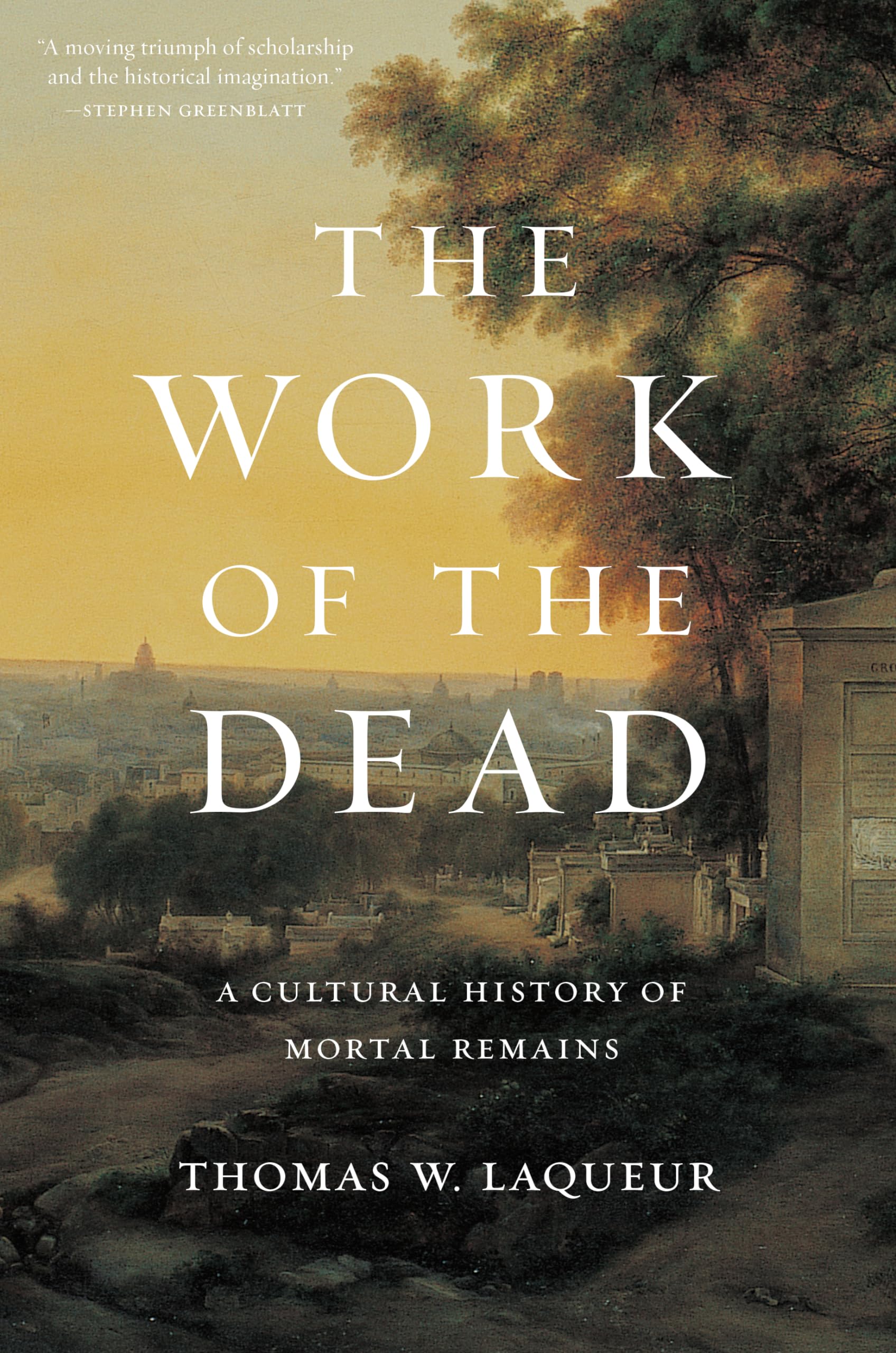
Title
The Work Of The Dead: A Cultural History Of Mortal Remains
Sold by Ergodebooks, an authorized reseller.
Returns accepted within 30 days | support@ergodebooks.com
Shipping Information
- Free Standard Shipping — United States only
- Processing Time: 3–5 business days
- Estimated Delivery: 6–10 business days after dispatch
- Double-boxed, fully insured & discreetly packaged
- Tracking number sent via email once dispatched
Returns & Refund
Returns accepted within 30 days of delivery.
Damaged or Defective Item
Free return shipping + replacement or full refund
Wrong Item Received
Free return shipping + replacement or full refund
Change of Mind
Return shipping at customer's expense · 25% restocking fee applies
Payment Option

The Meaning Of Our Concern For Mortal Remainsfrom Antiquity Through The Twentieth Centurythe Greek Philosopher Diogenes Said That When He Died His Body Should Be Tossed Over The City Walls For Beasts To Scavenge. Why Should He Or Anyone Else Care What Became Of His Corpse? In The Work Of The Dead, Acclaimed Cultural Historian Thomas Laqueur Examines Why Humanity Has Universally Rejected Diogenes'S Argument. No Culture Has Been Indifferent To Mortal Remains. Even In Our Supposedly Disenchanted Scientific Age, The Dead Body Still Mattersfor Individuals, Communities, And Nations. A Remarkably Ambitious History, The Work Of The Dead Offers A Compelling And Richly Detailed Account Of How And Why The Living Have Cared For The Dead, From Antiquity To The Twentieth Century.The Book Draws On A Vast Range Of Sourcesfrom Mortuary Archaeology, Medical Tracts, Letters, Songs, Poems, And Novels To Painting And Landscapes In Order To Recover The Work That The Dead Do For The Living: Making Human Communities That Connect The Past And The Future. Laqueur Shows How The Churchyard Became The Dominant Resting Place Of The Dead During The Middle Ages And Why The Cemetery Largely Supplanted It During The Modern Period. He Traces How And Why Since The Nineteenth Century We Have Come To Gather The Names Of The Dead On Great Lists And Memorials And Why Being Buried Without A Name Has Become So Disturbing. And Finally, He Tells How Modern Cremation, Begun As A Fantasy Of Stripping Death Of Its History, Ultimately Failedand How Even The Ashes Of The Victims Of The Holocaust Have Been Preserved In Culture.A Fascinating Chronicle Of How We Shape The Dead And Are In Turn Shaped By Them, This Is A Landmark Work Of Cultural History.
⚠️ WARNING (California Proposition 65):
This product may contain chemicals known to the State of California to cause cancer, birth defects, or other reproductive harm.
For more information, please visit www.P65Warnings.ca.gov.
- Q: How many pages does the book have? A: This book has seven hundred thirty-six pages. This extensive length allows for a comprehensive exploration of cultural history related to mortal remains.
- Q: What is the binding type of the book? A: The book is bound in hardcover. This durable binding ensures longevity and protection for the pages inside.
- Q: What are the dimensions of the book? A: The book measures six point seventy-five inches in length, one point seventy-five inches in width, and nine point five inches in height. These dimensions make it a manageable size for reading or displaying.
- Q: Who is the author of this book? A: The author is Professor Thomas W. Laqueur. He is an acclaimed cultural historian with expertise in the subject matter of the book.
- Q: What category does this book fall under? A: The book is categorized as a Historical Study and Educational Resource. It is designed to educate readers about cultural attitudes towards death.
- Q: Is this book suitable for academic use? A: Yes, this book is suitable for academic use. It provides a detailed historical account that can be valuable for students and scholars.
- Q: What themes are covered in the book? A: The book covers themes of cultural history, mortality, and the significance of burial practices. It explores how these themes have evolved over time.
- Q: Can this book be used for research purposes? A: Yes, this book can be used for research purposes. It includes a vast range of sources, making it a credible reference for academic studies.
- Q: What should I do to maintain this book? A: To maintain this book, keep it in a cool, dry place away from direct sunlight. This will help preserve the binding and prevent any page damage.
- Q: Is the book safe for young readers? A: No, this book is not specifically designed for young readers. Its themes are more suited for adult audiences due to the complex subject matter.
- Q: How do I store this book to keep it in good condition? A: Store this book upright on a shelf or in a bookcase. Avoid stacking heavy items on top to prevent damage to the spine and pages.
- Q: Are there illustrations in the book? A: Yes, the book includes illustrations. These visuals complement the text and enhance the reader's understanding of the cultural history discussed.
- Q: What is the ideal audience for this book? A: The ideal audience for this book includes historians, students, and anyone interested in cultural studies. It appeals to those seeking a deeper understanding of mortality.
- Q: Can I return this book if I'm not satisfied? A: Yes, you can return the book if you are not satisfied, following the retailer's return policy. Ensure the book is in its original condition for a full refund.
- Q: What if the book arrives damaged? A: If the book arrives damaged, contact the retailer immediately for assistance. Most retailers will provide a replacement or refund under their customer service policy.
- Q: Is there a warranty on this book? A: No, books typically do not come with a warranty. However, check with the retailer for their specific policies regarding damaged items.