
Title
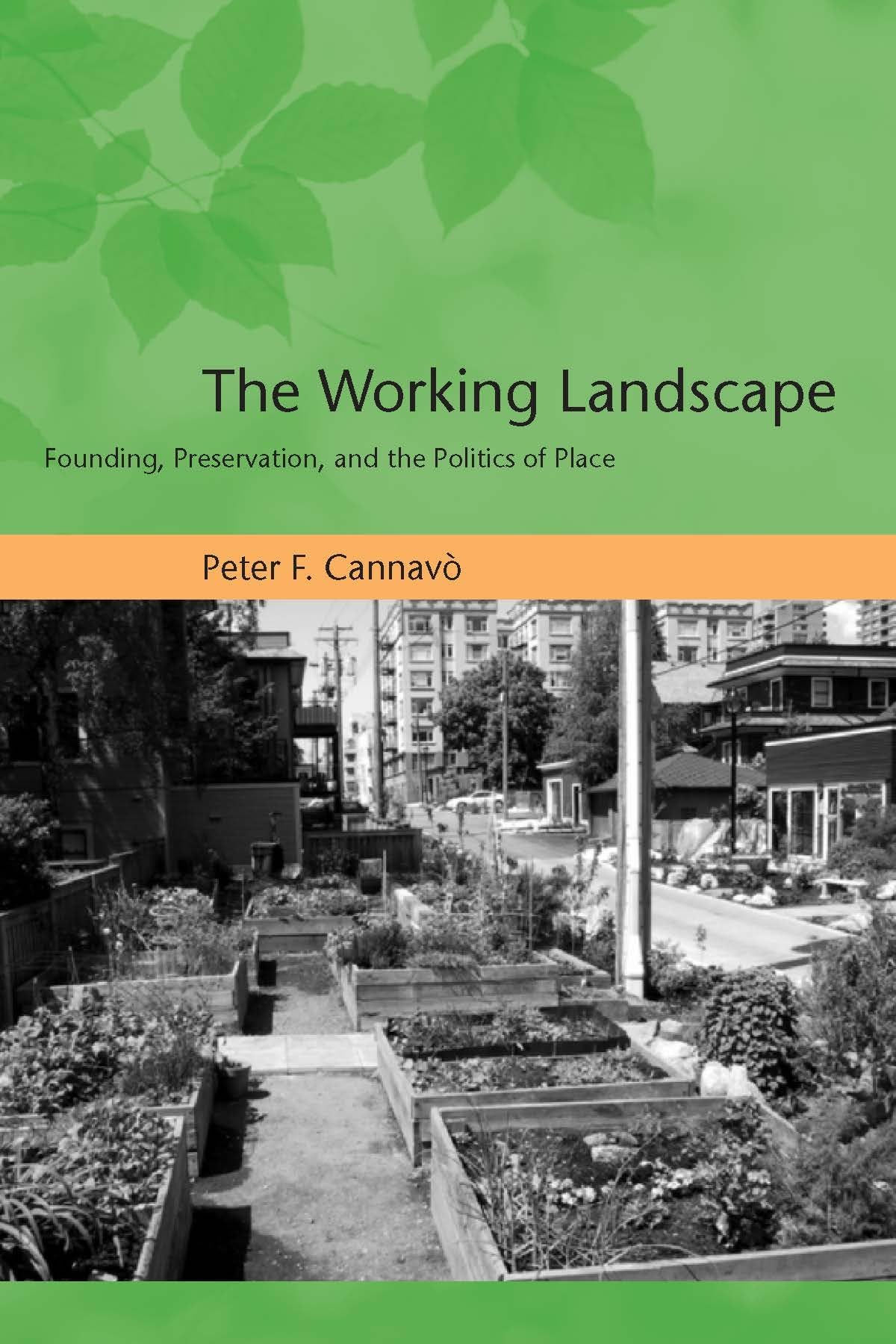
The Working Landscape: Founding, Preservation, and the Politics of Place (Urban and Industrial Environments (Paperback)),New
Sold by Ergodebooks, an authorized reseller.
Returns accepted within 30 days | support@ergodebooks.com
Shipping Information
- Free Standard Shipping — United States only
- Processing Time: 3–5 business days
- Estimated Delivery: 6–10 business days after dispatch
- Double-boxed, fully insured & discreetly packaged
- Tracking number sent via email once dispatched
Returns & Refund
Returns accepted within 30 days of delivery.
Damaged or Defective Item
Free return shipping + replacement or full refund
Wrong Item Received
Free return shipping + replacement or full refund
Change of Mind
Return shipping at customer's expense · 25% restocking fee applies
Payment Option

In America today we see rampant development, unsustainable resource exploitation, and commodification ruin both natural and built landscapes, disconnecting us from our surroundings and threatening our fundamental sense of place. Meanwhile, preservationists often respond with a counterproductive stance that rejects virtually any change in the landscape. In The Working Landscape, Peter Cannav identifies this zerosum conflict between development and preservation as a major factor behind our contemporary crisis of place. Cannav offers practical and theoretical alternatives to this deadlocked, polarized politics of place by proposing an approach that embraces both change and stability and unifies democratic and ecological values, creating a working landscape.Place, Cannav argues, is not just an object but an essential human practice that involves the physical and conceptual organization of our surroundings into a coherent, enduring landscape. This practice must balance development (which he calls founding) and preservation. Three case studies illustrate the polarizing developmentpreservation conflict: the debate over the logging of oldgrowth forests in the Pacific Northwest; the problem of urban sprawl; and the redevelopment of the former site of the World Trade Center in New York City. Cannav suggests that regional, democratic governance is the best framework for integrating development and preservation, and he presents specific policy recommendations that aim to create a working landscape in rural, suburban, and urban areas. A postscript on the mass exile, displacement, and homelessness caused by Hurricane Katrina considers the implications of future climate change for the practice of place.
⚠️ WARNING (California Proposition 65):
This product may contain chemicals known to the State of California to cause cancer, birth defects, or other reproductive harm.
For more information, please visit www.P65Warnings.ca.gov.