
Title
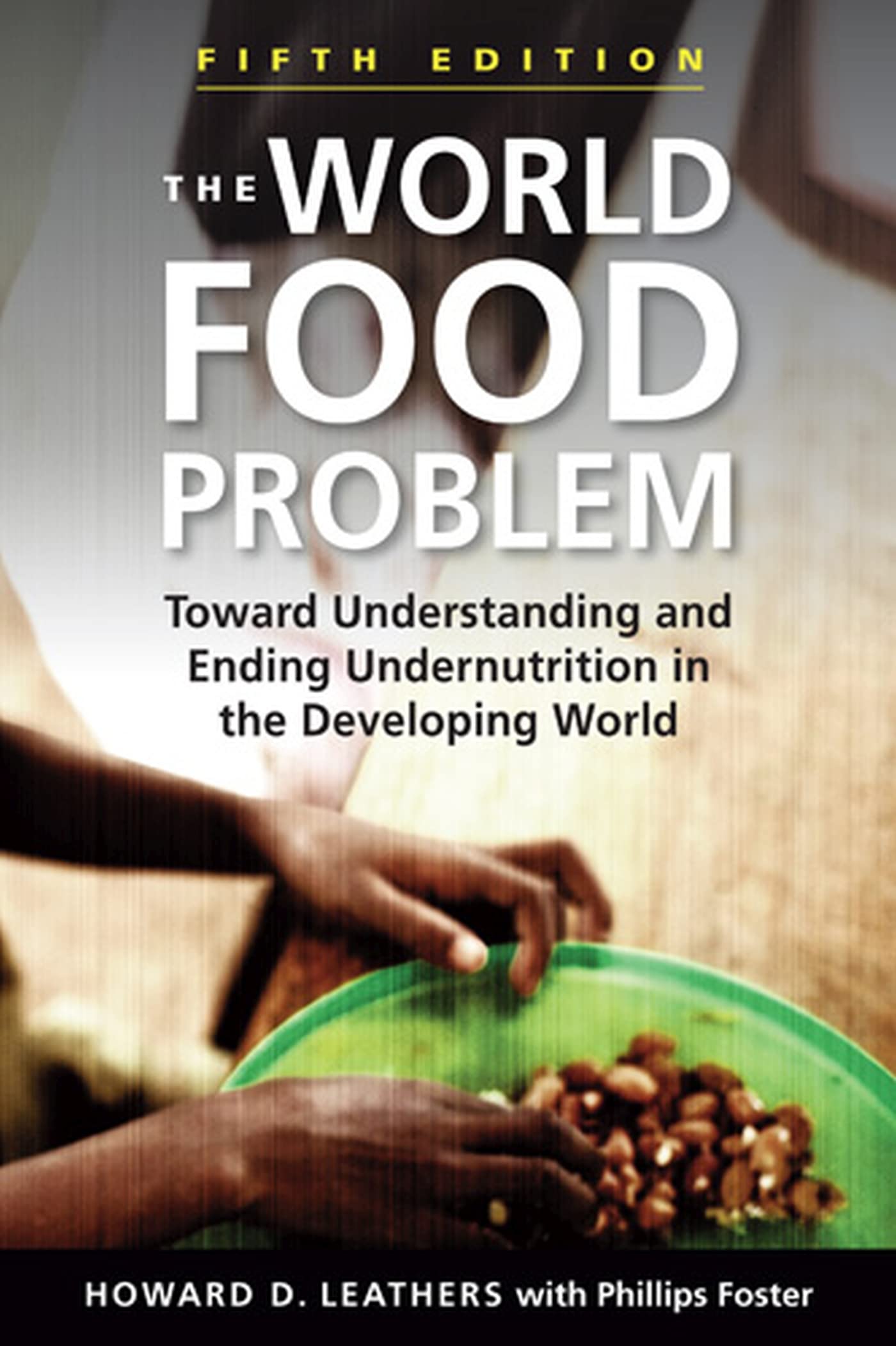
The World Food Problem: Toward Understanding and Ending Undernutrition in the Developing World,Used
Sold by Ergodebooks, an authorized reseller.
Returns accepted within 30 days | support@ergodebooks.com
Shipping Information
- Free Standard Shipping — United States only
- Processing Time: 3–5 business days
- Estimated Delivery: 6–10 business days after dispatch
- Double-boxed, fully insured & discreetly packaged
- Tracking number sent via email once dispatched
Returns & Refund
Returns accepted within 30 days of delivery.
Damaged or Defective Item
Free return shipping + replacement or full refund
Wrong Item Received
Free return shipping + replacement or full refund
Change of Mind
Return shipping at customer's expense · 25% restocking fee applies
Payment Option

The fifth edition of The World Food Problem reflects nearly a decade of new research on the causes and potential solutions to the problems of producing and distributing food in developing countries. With extensively updated data and new case studies throughout, this edition includes new or expanded discussions of such issues as genetically modified food, the impact of climate change, the quality of agricultural land and water, the significance of globalization, abd implications of changes in demographic policy, such as the reversal of Chinas 'onechild rule'.CONTENTS:Introduction. THE FACTS ABOUT MALNUTRITION. Famines: The Historical Context. Defining Malnutrition. Measuring Undernutrition. Why Does It Matter? Who, When, Where? ADDRESSING CAUSES OF UNDERNUTRITION. Supply and Demand. It's Not Food vs. Population. The Problem of Income. Other Factors Influencing Demand. Issues of Agricultural Land and Water. Environmental Degradation and Climate Change. The Potential of Input Intensity. The Potential of New Technology. An Important Aside: The Question of Health. POLICY APPROACHES TO UNDERNUTRITION. Philosophical Approaches to Food Policy. Raising the Incomes of the Poor. Population Policy. Subsidizing Consumption. It's All About Distribution (Isn't It?). Raising Prices Paid to Farmers. Increasing Food Supply. ALTERNATIVE SCENARIOS. The Future of World Food Supply and Demand.
⚠️ WARNING (California Proposition 65):
This product may contain chemicals known to the State of California to cause cancer, birth defects, or other reproductive harm.
For more information, please visit www.P65Warnings.ca.gov.
- Q: What is the main focus of 'The World Food Problem'? A: 'The World Food Problem' primarily examines the causes and potential solutions to undernutrition in developing countries, incorporating nearly a decade of new research and updated data.
- Q: Who is the author of this book? A: The book is authored by Howard D. Leathers.
- Q: When was the fifth edition of this book published? A: The fifth edition was published on January 3, 2017.
- Q: How many pages does the book contain? A: The book contains 457 pages.
- Q: What topics are covered in the book's contents? A: The book covers a variety of topics including malnutrition facts, historical famines, agricultural issues, climate change impacts, and policy approaches to undernutrition.
- Q: What type of binding does this edition have? A: This edition is available in paperback binding.
- Q: Is this book suitable for academic use? A: Yes, this book is suitable for academic use, particularly for students and researchers focusing on food policy, nutrition, and agricultural studies.
- Q: Does the book include case studies? A: Yes, the fifth edition includes new and expanded case studies relevant to the issues discussed.
- Q: What is the significance of globalization as discussed in the book? A: The book discusses globalization in relation to its impact on food distribution and production, examining how it affects undernutrition in developing countries.
- Q: Are there discussions on genetically modified foods in this book? A: Yes, the book includes discussions on genetically modified foods and their implications for food production and undernutrition.