If you have any questions, you are always welcome to contact us. We'll get back to you as soon as possible, withing 24 hours on weekdays.
Customer service
All questions about your order, return and delivery must be sent to our customer service team by e-mail at yourstore@yourdomain.com
Sale & Press
If you are interested in selling our products, need more information about our brand or wish to make a collaboration, please contact us at press@yourdomain.com
Help
If you have any questions, you are always welcome to contact us. We'll get back to you as soon as possible, withing 24 hours on weekdays.
Customer service
All questions about your order, return and delivery must be sent to our customer service team by e-mail at yourstore@yourdomain.com
Sale & Press
If you are interested in selling our products, need more information about our brand or wish to make a collaboration, please contact us at press@yourdomain.com
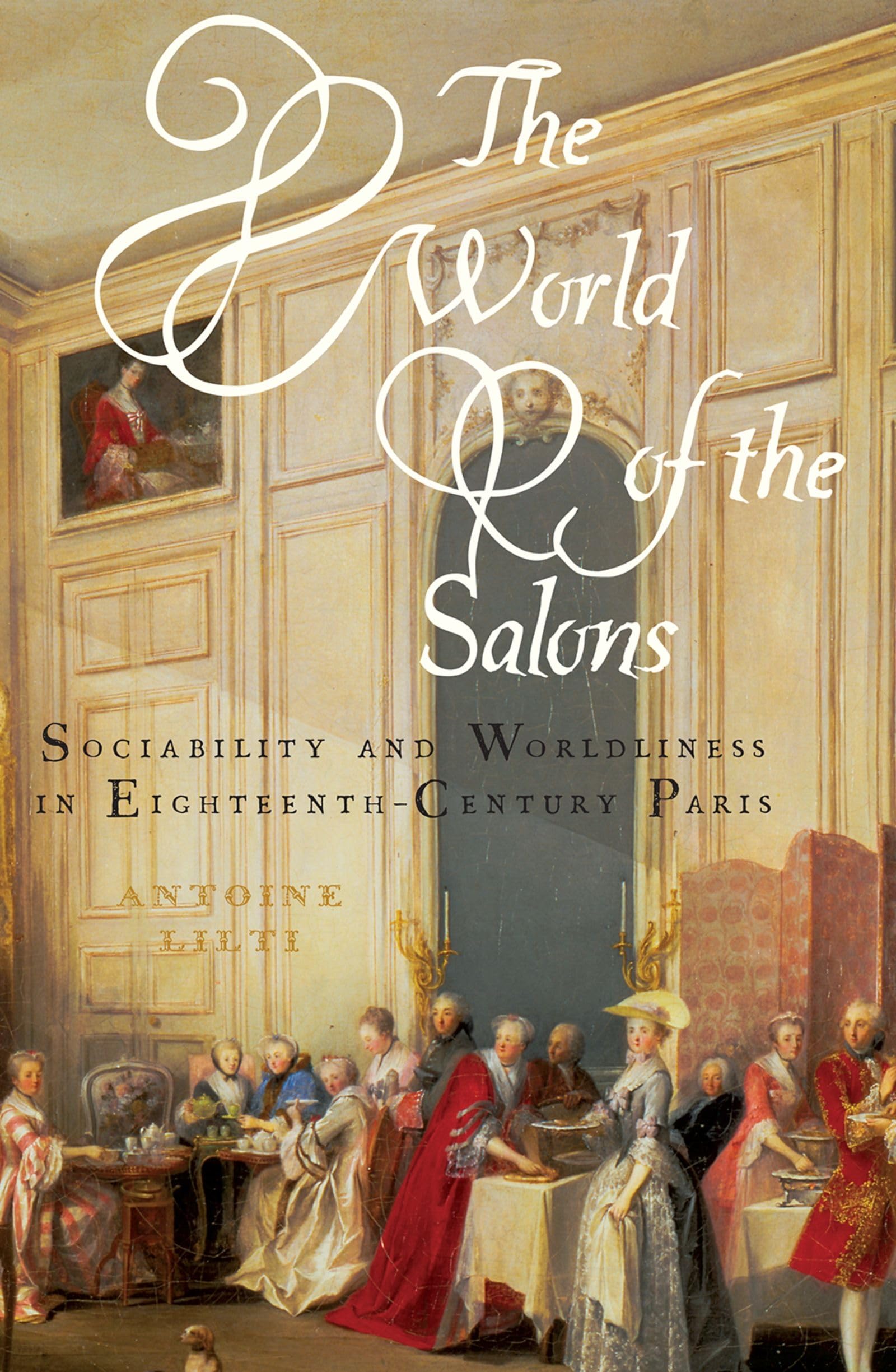
The world of the eighteenthcentury salon has long been lauded as a meritocratic setting where writers, philosophers, and women created the Enlightenment. In The World of the Salons, historian Antoine Lilti proposes a fresh interpretation of salons in eighteenthcentury Paris. Drawing on cultural history, social history, and the history of literature, he challenges the commonly accepted vision of salons as literary circles that were part of the Republic of Letters.Lilti argues, instead, that salons were institutions of worldly sociability that helped shape "the world" (le monde) and high society. They were essential places where the aristocratic elites of the capital met and interacted with literary figures. Attending them required a mastery of the codes of polite conversation. There news circulated and personal reputations were made and lost. As opposed to the salon being a realm separate from the court at Versailles, it was a site where elites gained enough influence to forge marital alliances, secure government appointments or pensions, and win over royal censors. These discussion circles were part of refined society, not public opinion, and those writers who gained mass appeal were shunned by salongoers.For those who think they know what the salon meant in early modern European culture, politics, and intellectual circles, Antoine Lilti's The World of the Salons offers an important corrective of what went on behind the closed doors of the French salons.
⚠️ WARNING (California Proposition 65):
This product may contain chemicals known to the State of California to cause cancer,
birth defects, or other reproductive harm.
For MAP (Minimum Advertised Price) violations and Intellectual Property (IP) or Trademark concerns, please contact:
support@ergodebooks.com
⚠️ California Proposition 65 Warning: Some products sold on this website may expose you to chemicals known to the State of California to cause cancer, birth defects, or other reproductive harm. For more information, visit www.P65Warnings.ca.gov.