
Title
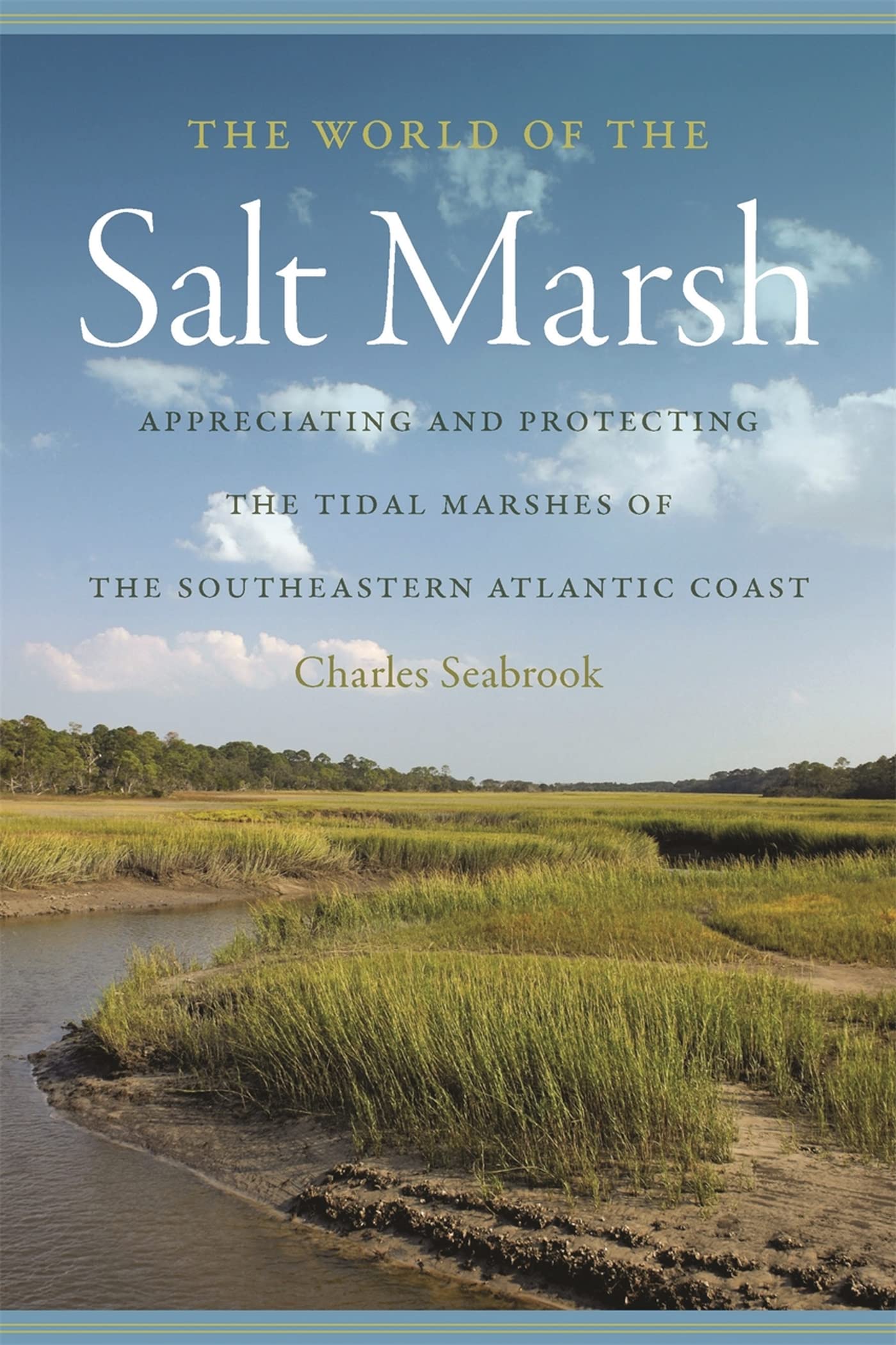
The World Of The Salt Marsh: Appreciating And Protecting The Tidal Marshes Of The Southeastern Atlantic Coast (Wormsloe Foundati,Used
Sold by Ergodebooks, an authorized reseller.
Returns accepted within 30 days | support@ergodebooks.com
Shipping Information
- Free Standard Shipping — United States only
- Processing Time: 3–5 business days
- Estimated Delivery: 6–10 business days after dispatch
- Double-boxed, fully insured & discreetly packaged
- Tracking number sent via email once dispatched
Returns & Refund
Returns accepted within 30 days of delivery.
Damaged or Defective Item
Free return shipping + replacement or full refund
Wrong Item Received
Free return shipping + replacement or full refund
Change of Mind
Return shipping at customer's expense · 25% restocking fee applies
Payment Option

The World of the Salt Marsh is a wideranging exploration of the southeastern coastits natural history, its people and their way of life, and the historic and ongoing threats to its ecological survival.Focusing on areas from Cape Hatteras, North Carolina, to Cape Canaveral, Florida, Charles Seabrook examines the ecological importance of the salt marsh, calling it a biological factory without equal. Twicedaily tides carry in a supply of nutrients that nourish vast meadows of spartina (Spartina alterniflora)a crucial habitat for creatures ranging from tiny marine invertebrates to wading birds. The meadows provide vital nurseries for 80 percent of the seafood species, including oysters, crabs, shrimp, and a variety of finfish, and they are invaluable for storm protection, erosion prevention, and pollution filtration.Seabrook is also concerned with the plight of the people who make their living from the coasts bounty and who carry on its unique culture. Among them are Charlie Phillips, a fishmonger whose livelihood is threatened by development in McIntosh County, Georgia, and Vera Manigault of Mount Pleasant, South Carolina, a basket maker of GullahGeechee descent, who says that the sweetgrass needed to make her culturally significant wares is becoming scarcer.For all of the biodiversity and cultural history of the salt marshes, many still view them as vast wastelands to be drained, diked, or improved for development into highways and subdivisions. If people can better understand and appreciate these ecosystems, Seabrook contends, they are more likely to join the growing chorus of scientists, conservationists, fishermen, and coastal visitors and residents calling for protection of these truly amazing places.
⚠️ WARNING (California Proposition 65):
This product may contain chemicals known to the State of California to cause cancer, birth defects, or other reproductive harm.
For more information, please visit www.P65Warnings.ca.gov.
- Q: How many pages does this book have? A: This book has three hundred eighty pages. It provides a comprehensive exploration of the southeastern coastal ecosystems.
- Q: What is the binding type of this book? A: The binding type is paperback. This makes it lightweight and easy to handle for reading or carrying.
- Q: What are the dimensions of this book? A: The dimensions are five point nine eight inches in length, zero point nine eight inches in width, and nine point zero two inches in height.
- Q: What is the main theme of this book? A: The main theme is the ecological importance of salt marshes along the southeastern Atlantic coast. It emphasizes the need for conservation and appreciation of these ecosystems.
- Q: Who is the author of this book? A: The author is Charles Seabrook. He is known for his in-depth writing on environmental topics and conservation.
- Q: Is this book suitable for all ages? A: Yes, this book is suitable for all ages. It can appeal to both young readers interested in nature and adults concerned about environmental issues.
- Q: How can I best appreciate the information in this book? A: To appreciate the information, read it in a quiet environment where you can reflect on the ecological themes presented. Engaging with local coastal ecosystems can also enhance understanding.
- Q: Is there a specific audience for this book? A: Yes, the specific audience includes conservationists, environmental enthusiasts, and anyone interested in the southeastern coastal culture. It provides valuable insights for these groups.
- Q: How do I care for this book? A: To care for this book, keep it in a dry place away from direct sunlight. Avoid bending the spine to maintain its condition and longevity.
- Q: Can I find this book in libraries? A: Yes, this book is often available in libraries. You can check your local library's catalog for availability.
- Q: What if the book arrives damaged? A: If the book arrives damaged, contact the seller for a return or exchange. Most sellers have policies in place for damaged items.
- Q: Is there a warranty for this book? A: No, there is typically no warranty for books. However, check the seller's return policy for defective items.
- Q: How should I store this book? A: Store this book upright on a shelf, away from moisture. Keeping it in a protective cover can also help preserve its condition.
- Q: What are some common themes discussed in the book? A: Common themes include ecological conservation, the impact of development, and the cultural significance of coastal communities. Each theme helps illustrate the importance of salt marshes.
- Q: Is this book a good choice for someone new to ecology? A: Yes, this book is a good choice for beginners in ecology. It provides an accessible introduction to important environmental concepts and local ecosystems.
- Q: Are there any illustrations in this book? A: Yes, the book includes illustrations that complement the text and help visualize the coastal environments discussed.