
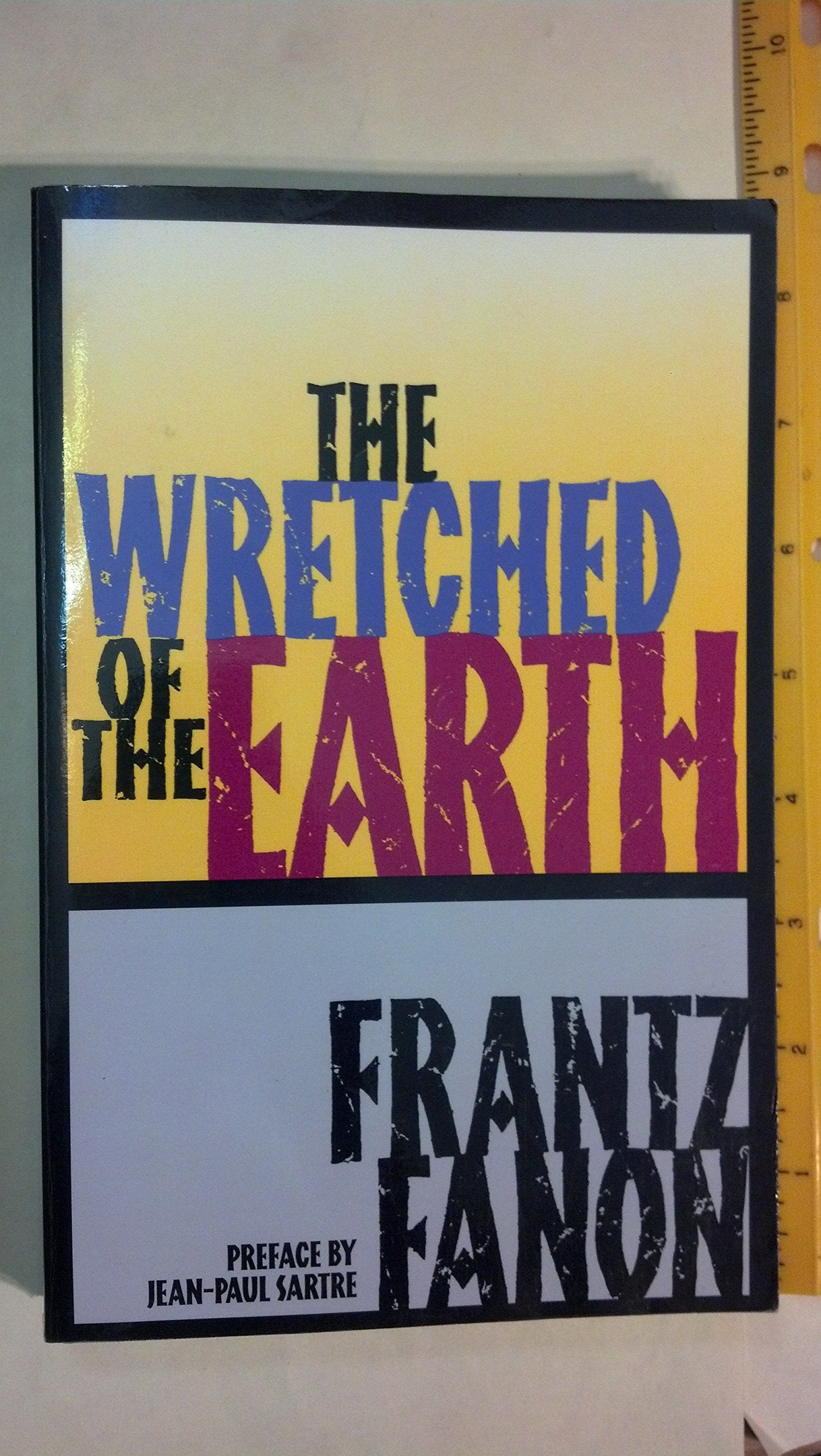
Title
The Wretched Of The Earth
Sold by Ergodebooks, an authorized reseller.
Returns accepted within 30 days | support@ergodebooks.com
Shipping Information
- Free Standard Shipping — United States only
- Processing Time: 3–5 business days
- Estimated Delivery: 6–10 business days after dispatch
- Double-boxed, fully insured & discreetly packaged
- Tracking number sent via email once dispatched
Returns & Refund
Returns accepted within 30 days of delivery.
Damaged or Defective Item
Free return shipping + replacement or full refund
Wrong Item Received
Free return shipping + replacement or full refund
Change of Mind
Return shipping at customer's expense · 25% restocking fee applies
Payment Option

Frantz Fanon'S Seminal Work On The Trauma Of Colonization Made Him The Leading Anticolonialist Thinker Of The Twentieth Century. Written At The Height Of The Algerian War For Independence From French Colonial Rule And First Published In 1961, It Analyses The Role Of Class, Race, National Culture And Violence In The Struggle For Freedom. Fanon, Himself A Psychotherapist, Makes Clear The Economic And Psychological Degradation Inflicted By Imperialism. Showing How Decolonization Must Be Combined With Building A National Culture, This Passionate Analysis Of Relations Between The West And The Third World Is Still Illuminating About The World Today.
⚠️ WARNING (California Proposition 65):
This product may contain chemicals known to the State of California to cause cancer, birth defects, or other reproductive harm.
For more information, please visit www.P65Warnings.ca.gov.
- Q: What is the page count of 'The Wretched of the Earth'? A: This book contains two hundred fifty-five pages. It offers a deep exploration of colonialism's psychological and economic impacts.
- Q: What is the binding type of 'The Wretched of the Earth'? A: The book is available in paperback binding. This makes it lightweight and easy to handle.
- Q: Who is the author of 'The Wretched of the Earth'? A: The author is Frantz Fanon. He is renowned for his critical views on colonialism and race.
- Q: What themes are explored in 'The Wretched of the Earth'? A: The book explores themes of colonization, violence, and national culture. Fanon analyzes the struggle for freedom from a psychological perspective.
- Q: What is the genre of 'The Wretched of the Earth'? A: The genre is history and political theory. It provides an essential understanding of anti-colonial thought.
- Q: What should I expect from reading 'The Wretched of the Earth'? A: Expect an intense analysis of colonial trauma and the psychological effects of oppression. It's a profound read for those interested in social justice.
- Q: Is 'The Wretched of the Earth' suitable for academic study? A: Yes, it is highly suitable for academic study. It is often included in university courses on post-colonial studies and political theory.
- Q: Can beginners understand 'The Wretched of the Earth'? A: Yes, beginners can understand it, but some familiarity with colonial history may enhance comprehension. The themes are impactful and relevant.
- Q: What reading level is 'The Wretched of the Earth' appropriate for? A: It is appropriate for high school and college readers. The complex themes may require mature insight.
- Q: How should I care for my copy of 'The Wretched of the Earth'? A: Store it in a cool, dry place to prevent damage. Keep it away from direct sunlight to protect the cover.
- Q: Are there any specific storage recommendations for 'The Wretched of the Earth'? A: Yes, it’s best to store it upright on a shelf. Avoid stacking heavy books on top to prevent bending.
- Q: What if my copy of 'The Wretched of the Earth' arrives damaged? A: If it arrives damaged, contact the seller for a return or exchange. Most sellers have policies in place for damaged items.
- Q: Is there a warranty on 'The Wretched of the Earth'? A: Typically, books do not come with a warranty. However, check with the retailer for any specific return policies.
- Q: How does 'The Wretched of the Earth' compare to other political theory books? A: It is considered a foundational text in post-colonial studies, unlike many other works that may focus on Western perspectives.
- Q: Is 'The Wretched of the Earth' relevant to today's issues? A: Yes, its insights into colonialism and race relations remain highly relevant today. It provides a framework for understanding current global issues.
- Q: What makes 'The Wretched of the Earth' a significant read? A: Its examination of the psychological impact of colonization and the call for national identity makes it a critical work in understanding historical and contemporary struggles.