
Title
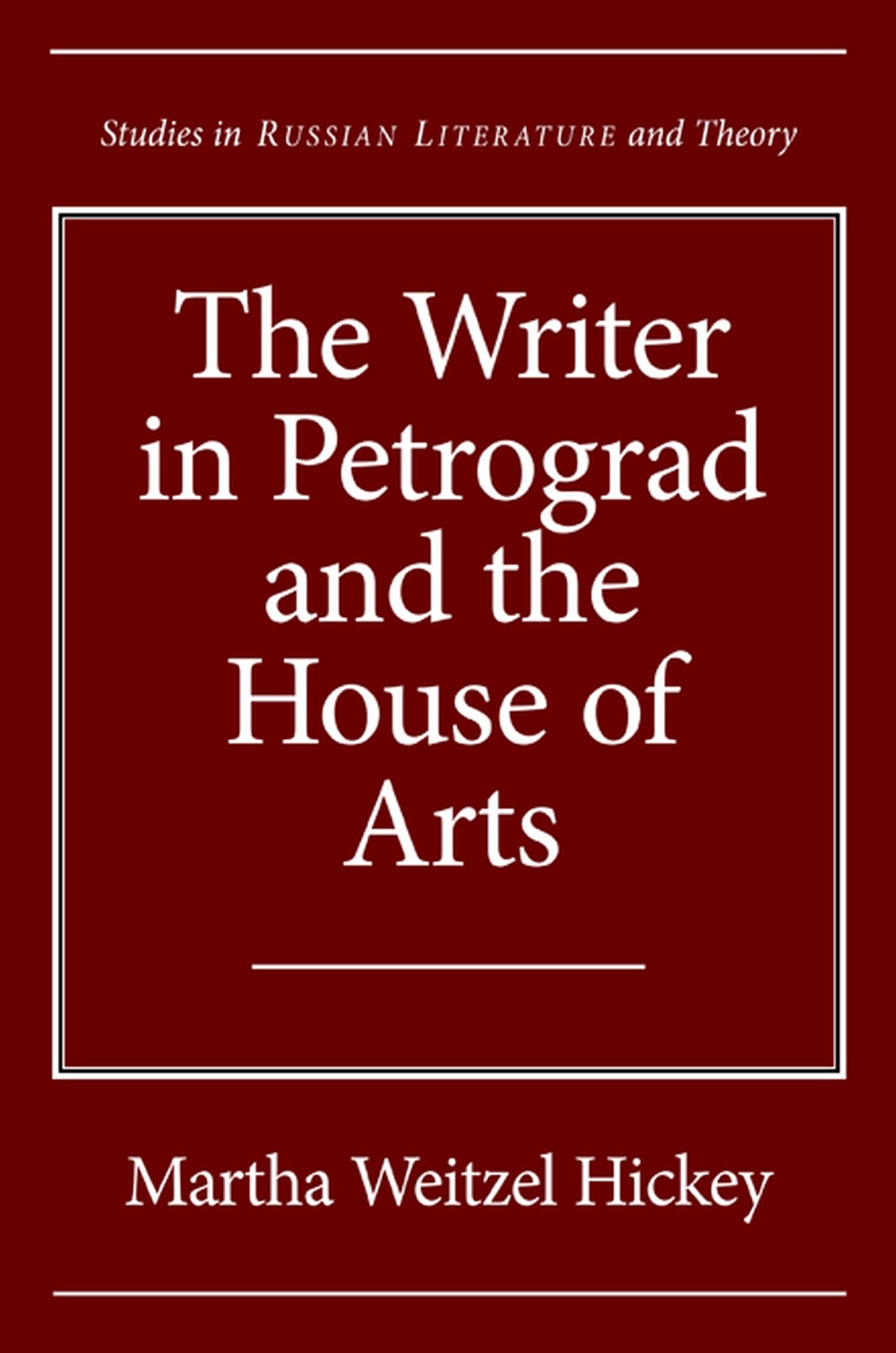
The Writer In Petrograd And The House Of Arts (Studies In Russian Literature And Theory),Used
Sold by Ergodebooks, an authorized reseller.
Returns accepted within 30 days | support@ergodebooks.com
Shipping Information
- Free Standard Shipping — United States only
- Processing Time: 3–5 business days
- Estimated Delivery: 6–10 business days after dispatch
- Double-boxed, fully insured & discreetly packaged
- Tracking number sent via email once dispatched
Returns & Refund
Returns accepted within 30 days of delivery.
Damaged or Defective Item
Free return shipping + replacement or full refund
Wrong Item Received
Free return shipping + replacement or full refund
Change of Mind
Return shipping at customer's expense · 25% restocking fee applies
Payment Option

Founded by Maksim Gorky and Kornei Chukovsky in 1919 and disbanded in 1922, the Petrograd House of Arts occupied a crucial moment in Russia's cultural history. By chronicling the rise and fall of this literary landmark, this book conveys in greater depth and detail than ever before a significant but little studied period in Soviet literature.Poised between Russian culture's past and her Soviet future, between pre and postRevolutionary generations, this once lavish private home on the Nevsky Prospekt housed as many as fiftysix poets, novelists, critics, and artists at one time, during a period of great social and political turbulence. And as such, Hickey contends, the House of Arts served as a crucible for a literature in transition. Hickey shows how the House of Arts, though virtually ignored by Sovietera cultural historians, played a critical role in shaping the lively literature of the next decade, a literature often straddling the border between fiction and nonfiction. Considering prose writers such as Yevgeny Zamyatin, Olga Forsh, the Serapion Brothers group, Viktor Shklovsky, Boris Eikhenbaum, as well as poets including Alexander Blok, Nikolay Gumilev, Anna Radlova, Osip Mandelstam, and Vladislav Khodasevich, she traces the comings and goings at the House of Arts: the meetings and readings and lectures and, most of all, the powerful influence of these interactions on those who briefly lived and worked there. In her work, the Petrograd House of Arts appears for the first time in all its complexity and importance, as a focal point for the social and cultural ferment of the day, and a turning point in the direction of Russian literature and criticism.
⚠️ WARNING (California Proposition 65):
This product may contain chemicals known to the State of California to cause cancer, birth defects, or other reproductive harm.
For more information, please visit www.P65Warnings.ca.gov.