If you have any questions, you are always welcome to contact us. We'll get back to you as soon as possible, withing 24 hours on weekdays.
Customer service
All questions about your order, return and delivery must be sent to our customer service team by e-mail at yourstore@yourdomain.com
Sale & Press
If you are interested in selling our products, need more information about our brand or wish to make a collaboration, please contact us at press@yourdomain.com
Help
If you have any questions, you are always welcome to contact us. We'll get back to you as soon as possible, withing 24 hours on weekdays.
Customer service
All questions about your order, return and delivery must be sent to our customer service team by e-mail at yourstore@yourdomain.com
Sale & Press
If you are interested in selling our products, need more information about our brand or wish to make a collaboration, please contact us at press@yourdomain.com
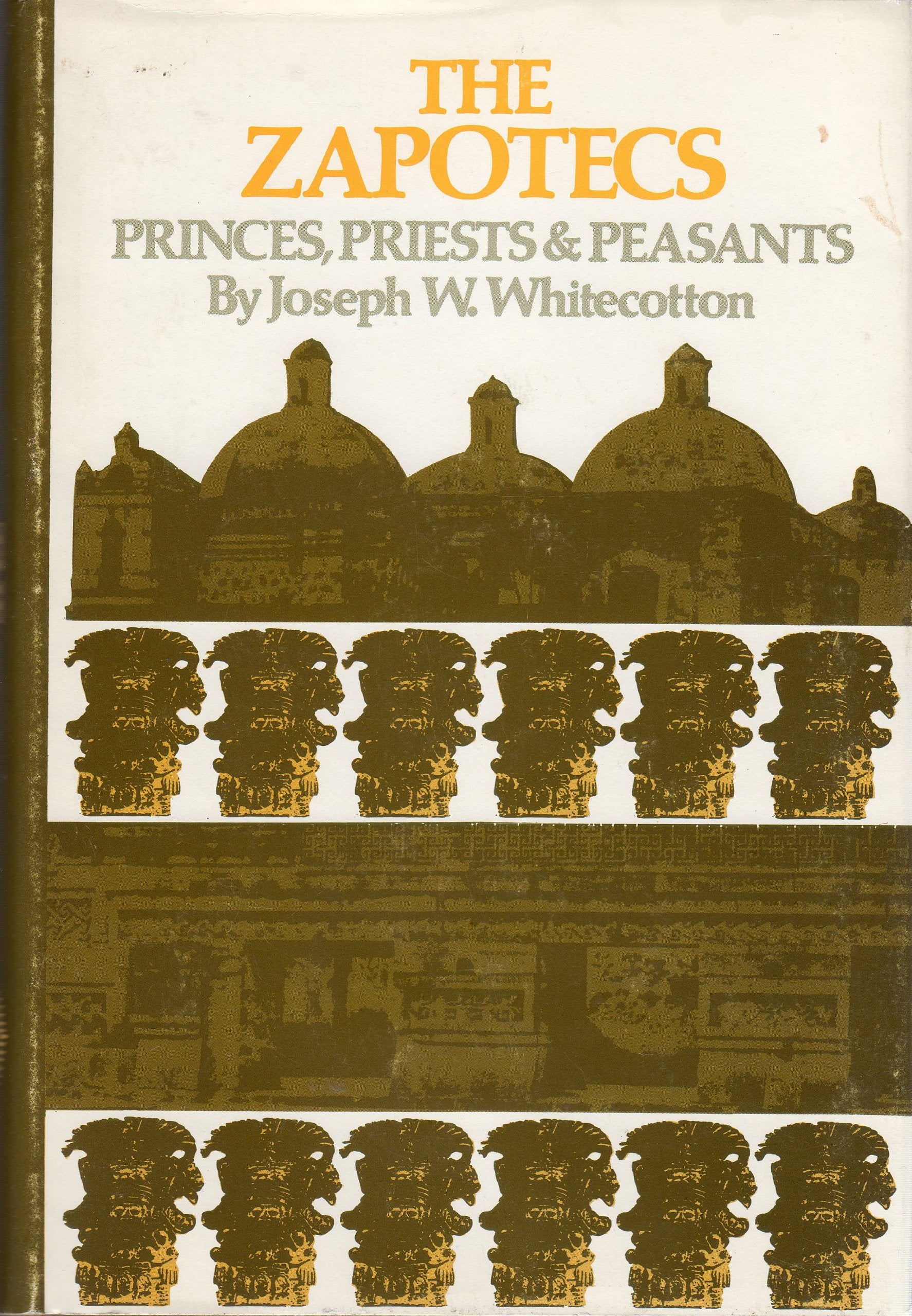
Although the Zapotecs have lost most of their cultural distinctiveness and undergone many changes, their way of life still displays links with a rich and fabled past. For more than three thousand years, the Zapotecspeaking peoples have occupied the fertile Valley of Oaxaca of southern Mexico a region that was one of the earliest fully developed civilizations in America. There the Zapotec princely and priestly elites ruled a complex social and political organization, the theocratic state, and the Zapotec temple city of Monte Alban became one of the great cultural centers of Mesoamerica. The decline of the Zapotec civilization, and of Monte Alban as a civil and religious center, began before A.D. 900, with a shift toward divisive militarism, with the arrival of the Mixtecs in the thirteenth century and the rise of the MixtecPuebla culture, and with the invasion of the tributedemanding Mexicas in the fifteenth century. The Zapotec princes elite status and most of the religious and political traditions ended. Finally, with the Spanish Conquest, when most of the Zapotecs and Mixtecs were reduced to rural, subject peasantry. This account of the Zapotecs and their worlds is what the author calls anthropological history. He draws on and integrates findings from archaeology, ethnology, ethnohistory, social anthropology, and other fields to reveal as fully as possible the worlds of the Zapotecs. The author, Joseph W. Whitecotton, was Associate Professor of Anthropology at the University of Oklahoma.
⚠️ WARNING (California Proposition 65):
This product may contain chemicals known to the State of California to cause cancer,
birth defects, or other reproductive harm.
For MAP (Minimum Advertised Price) violations and Intellectual Property (IP) or Trademark concerns, please contact:
support@ergodebooks.com
⚠️ California Proposition 65 Warning: Some products sold on this website may expose you to chemicals known to the State of California to cause cancer, birth defects, or other reproductive harm. For more information, visit www.P65Warnings.ca.gov.