If you have any questions, you are always welcome to contact us. We'll get back to you as soon as possible, withing 24 hours on weekdays.
Customer service
All questions about your order, return and delivery must be sent to our customer service team by e-mail at yourstore@yourdomain.com
Sale & Press
If you are interested in selling our products, need more information about our brand or wish to make a collaboration, please contact us at press@yourdomain.com
Help
If you have any questions, you are always welcome to contact us. We'll get back to you as soon as possible, withing 24 hours on weekdays.
Customer service
All questions about your order, return and delivery must be sent to our customer service team by e-mail at yourstore@yourdomain.com
Sale & Press
If you are interested in selling our products, need more information about our brand or wish to make a collaboration, please contact us at press@yourdomain.com
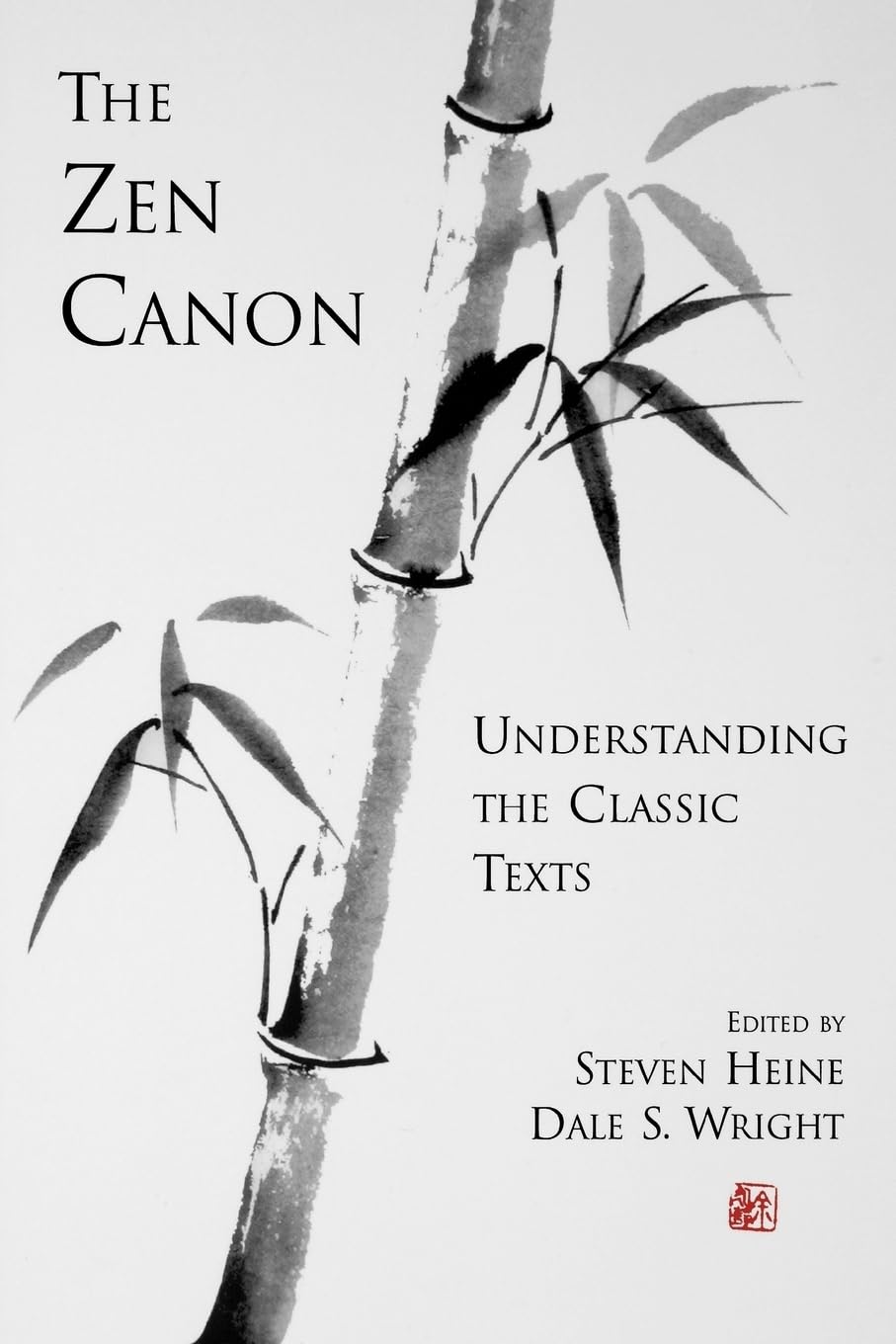
Bodhidharma, its first patriarch, reputedly said that Zen Buddhism represents 'a special transmission outside the teaching/Without reliance on words and letters.' This saying, along with the often perplexing use of language (and silence) by Zen masters, gave rise to the notion that Zen is a 'lived religion,' based strictly on nonlinguistic practice and lacking a substantial canon of sacred texts. Even those who recognize the importance of Zen texts commonly limit their focus to a few select texts without recognizing the wide variety of Zen literature. This collection of previously unpublished essays argues that Zen actually has a rich and varied literary heritage. Among the most significant textual genres are hagiographic accounts and recorded sayings of individual Zen masters, koan collections and commentaries, and rules for monastic life. During times of political turmoil in China and Japan, these texts were crucial to the survival and success of Zen, and they have for centuries been valued by practitioners as vital expressions of the truth of Zen. This volume offers learned yet accessible studies of some of the most important classical Zen texts, including some that have received little scholarly attention (and many of which are accessible only to specialists). Each essay provides historical, literary, and philosophical commentary on a particular text or genre. Together, they offer a critique of the 'de facto canon' that has been created by the limited approach of Western scholarship, and demonstrate that literature is a diverse and essential part of Zen Buddhism.
⚠️ WARNING (California Proposition 65):
This product may contain chemicals known to the State of California to cause cancer,
birth defects, or other reproductive harm.
For MAP (Minimum Advertised Price) violations and Intellectual Property (IP) or Trademark concerns, please contact:
support@ergodebooks.com
⚠️ California Proposition 65 Warning: Some products sold on this website may expose you to chemicals known to the State of California to cause cancer, birth defects, or other reproductive harm. For more information, visit www.P65Warnings.ca.gov.