If you have any questions, you are always welcome to contact us. We'll get back to you as soon as possible, withing 24 hours on weekdays.
Customer service
All questions about your order, return and delivery must be sent to our customer service team by e-mail at yourstore@yourdomain.com
Sale & Press
If you are interested in selling our products, need more information about our brand or wish to make a collaboration, please contact us at press@yourdomain.com
Help
If you have any questions, you are always welcome to contact us. We'll get back to you as soon as possible, withing 24 hours on weekdays.
Customer service
All questions about your order, return and delivery must be sent to our customer service team by e-mail at yourstore@yourdomain.com
Sale & Press
If you are interested in selling our products, need more information about our brand or wish to make a collaboration, please contact us at press@yourdomain.com
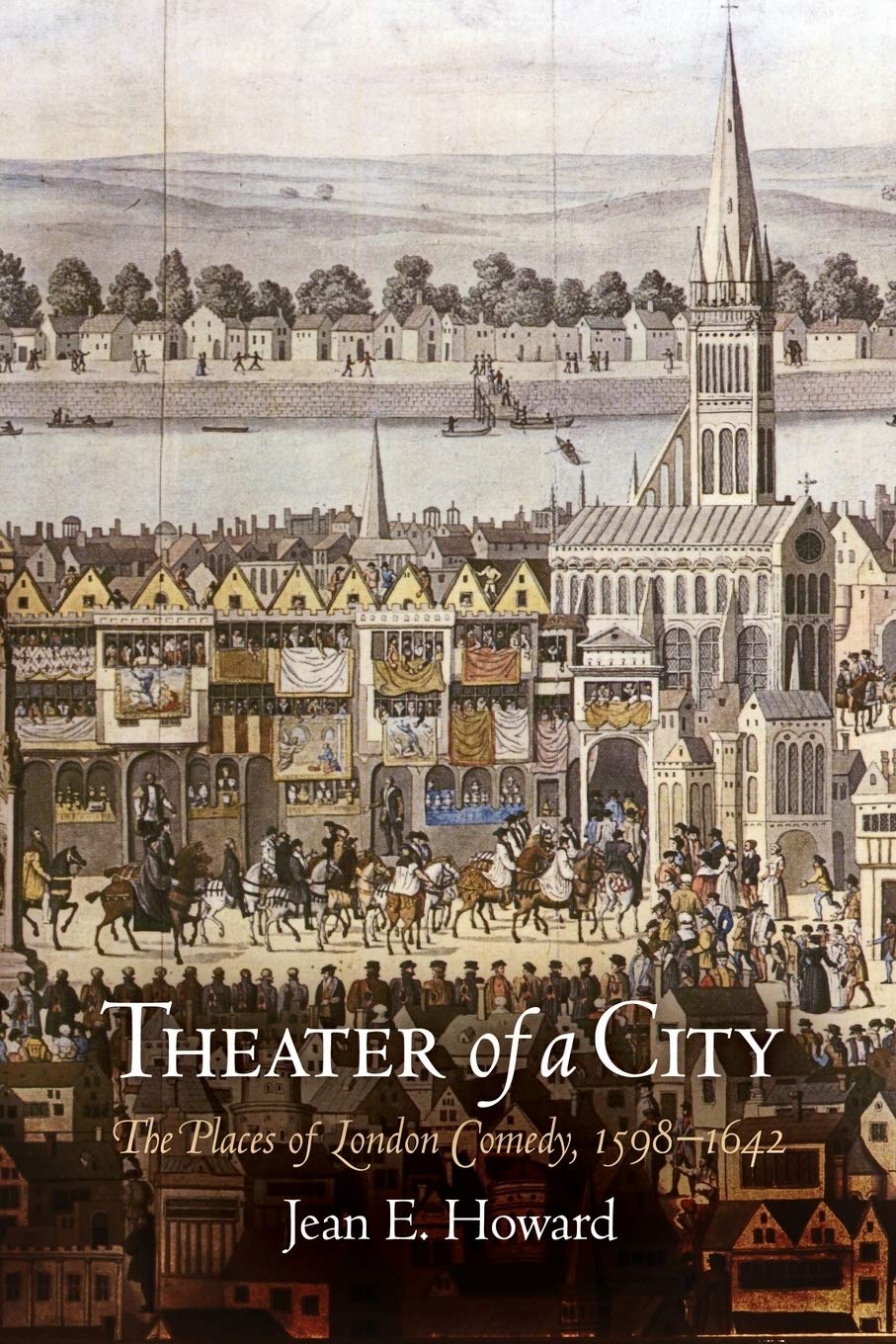
Arguing that the commercial stage depended on the unprecedented demographic growth and commercial vibrancy of London to fuel its own development, Jean E. Howard posits a particular synergy between the early modern stage and the city in which it flourished.In London comedy, place functions as the material arena in which social relations are regulated, urban problems negotiated, and city space rendered socially intelligible. Rather than simply describing London, the stage participated in interpreting it and giving it social meaning. Each chapter of this book focuses on a particular place within the citythe Royal Exchange, the Counters, London's whorehouses, and its academies of mannersand examines the theater's role in creating distinctive narratives about each. In these stories, specific locations are transformed into venues defined by particular kinds of interactions, whether between citizen and alien, debtor and creditor, prostitute and client, or dancing master and country gentleman. Collectively, they suggest how city space could be used and by whom, and they make place the arena for addressing pressing urban problems: demographic change and the influx of foreigners and strangers into the city; new ways of making money and losing it; changing gender roles within the metropolis; and the rise of a distinctive 'town culture' in the West End.Drawing on a wide range of familiar and littlestudied plays from four decades of a defining era of theater history, Theater of a City shows how the stage imaginatively shaped and responded to the changing face of early modern London.
⚠️ WARNING (California Proposition 65):
This product may contain chemicals known to the State of California to cause cancer,
birth defects, or other reproductive harm.
For MAP (Minimum Advertised Price) violations and Intellectual Property (IP) or Trademark concerns, please contact:
support@ergodebooks.com
⚠️ California Proposition 65 Warning: Some products sold on this website may expose you to chemicals known to the State of California to cause cancer, birth defects, or other reproductive harm. For more information, visit www.P65Warnings.ca.gov.