
Title
Theaters Of Intention: Drama And The Law In Early Modern England,Used
Sold by Ergodebooks, an authorized reseller.
Returns accepted within 30 days | support@ergodebooks.com
Shipping Information
- Free Standard Shipping — United States only
- Processing Time: 3–5 business days
- Estimated Delivery: 6–10 business days after dispatch
- Double-boxed, fully insured & discreetly packaged
- Tracking number sent via email once dispatched
Returns & Refund
Returns accepted within 30 days of delivery.
Damaged or Defective Item
Free return shipping + replacement or full refund
Wrong Item Received
Free return shipping + replacement or full refund
Change of Mind
Return shipping at customer's expense · 25% restocking fee applies
Payment Option

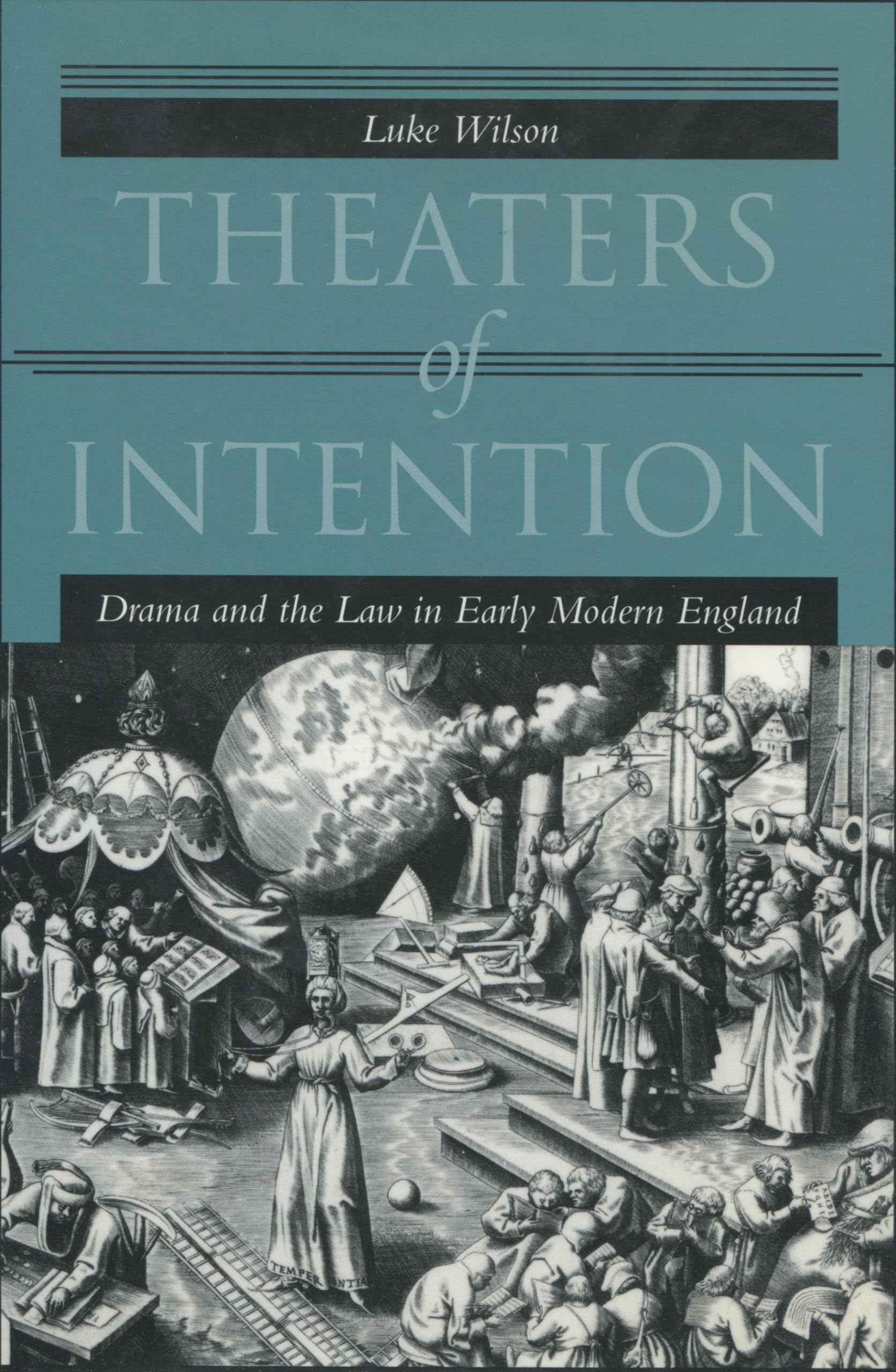
Early modern Britain witnessed a transformation in legal reasoning about human volition and intentional action, which contributed to new conventions and techniques for the theatrical representation of premeditated conduct. Theaters of Intention examines the relation between law and theater in this period, reading plays by Shakespeare, Jonson, Marlowe, and others to demonstrate how legal understanding of willful human action pervades sixteenth and seventeenthcentury English drama.Drawing on case law, legal treatises, parliamentary journals, and theatrical account books, the author considers the interplay between theatrical deliberation and legal dramatization of human intention. He analyzes such canonical plays as Hamlet, Timon of Athens, Dr. Faustus, Bartholomew Fair, and Othello alongside less familiar texts, including Barnes's The Devil's Charter, Jonson's Entertainment at Althorp, and the anonymous Nobody and Somebody.Notable instances of the new theatrical representation of premeditated conduct include the appearance in Hamlet of wording from the sensational case of Hales versus Petit and dramatizations of contract law in enactments of demonic pacts in the plays of Marlowe and Barnes. The final chapter examines the iconography of Nobody, an early modern equivalent of John Doe, and features some dozen illustrations of contemporary woodcuts, drawings, and engravings.Tied closely to the convergence of authorial and dramatic forethought, theatrical representation of premeditated action demonstrates the close relationships among purposeful human behavior, fictionality, economic exchange, and the experience of time.
⚠️ WARNING (California Proposition 65):
This product may contain chemicals known to the State of California to cause cancer, birth defects, or other reproductive harm.
For more information, please visit www.P65Warnings.ca.gov.