If you have any questions, you are always welcome to contact us. We'll get back to you as soon as possible, withing 24 hours on weekdays.
Customer service
All questions about your order, return and delivery must be sent to our customer service team by e-mail at yourstore@yourdomain.com
Sale & Press
If you are interested in selling our products, need more information about our brand or wish to make a collaboration, please contact us at press@yourdomain.com
Help
If you have any questions, you are always welcome to contact us. We'll get back to you as soon as possible, withing 24 hours on weekdays.
Customer service
All questions about your order, return and delivery must be sent to our customer service team by e-mail at yourstore@yourdomain.com
Sale & Press
If you are interested in selling our products, need more information about our brand or wish to make a collaboration, please contact us at press@yourdomain.com
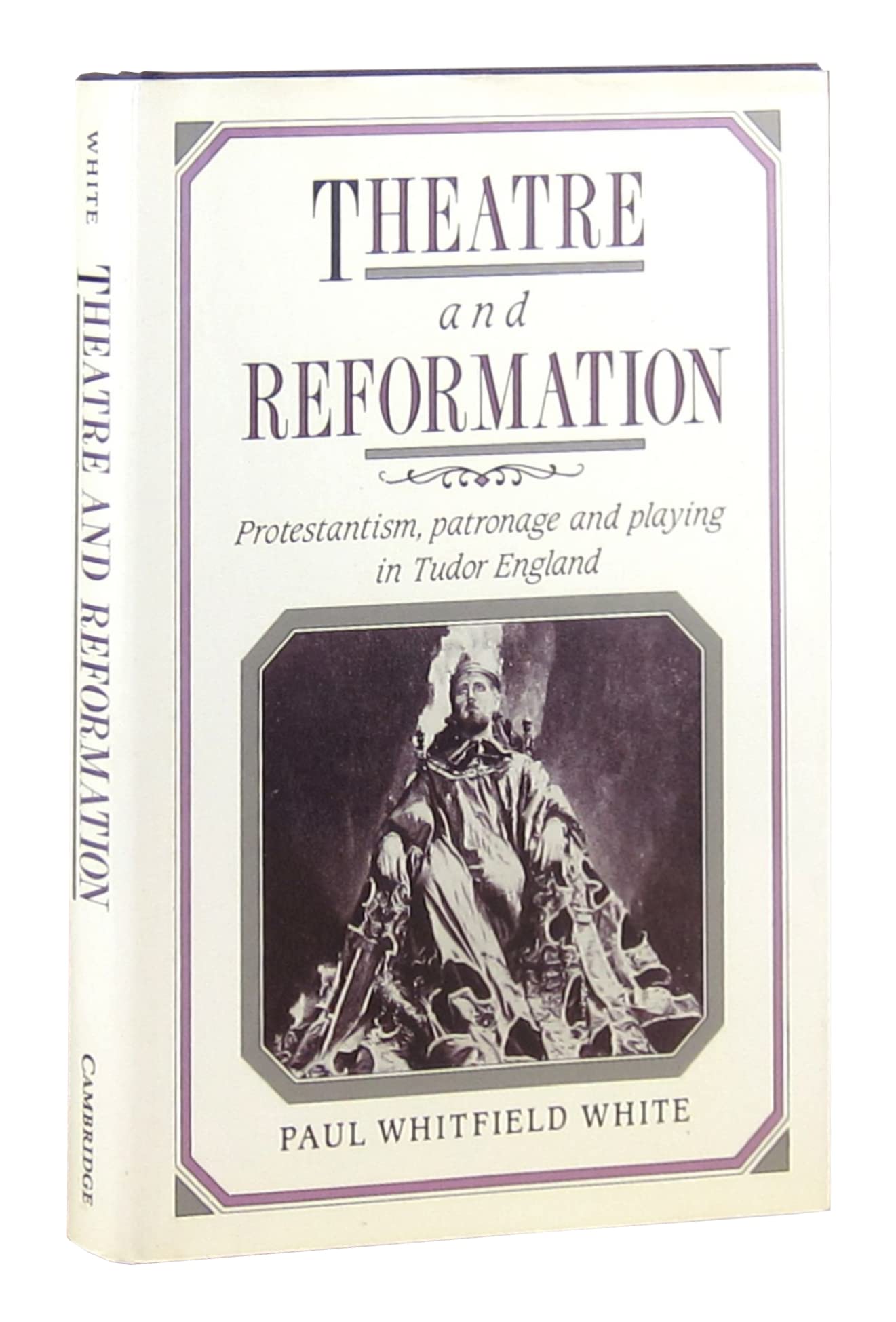
Paul Whitfield White argues that, contrary to received wisdom, England's earliest Protestants were involved in drama as patrons, playwrights, performers and spectators. Extending rather than ending the traditional union of religion with dramatic representation, Tudor Protestant leaders in civil and church government recognised drama as a morally sound and profitable pastime and promoted stage playing as a means of winning popular consent for religious reform. From the 1530s, playwrights and players contributed to the formation of a Protestant culture in England. Professor Whitfield White offers detailed readings of plays which are often overlooked, in particular those of John Bale, along with a useful survey of the institutional aspects of theatre: personnel, company structures, patronage, modes of presentation and conditions of performance. This is an interdisciplinary study, of particular value to those studying mediaeval and Renaissance drama and social history.
⚠️ WARNING (California Proposition 65):
This product may contain chemicals known to the State of California to cause cancer,
birth defects, or other reproductive harm.
For MAP (Minimum Advertised Price) violations and Intellectual Property (IP) or Trademark concerns, please contact:
support@ergodebooks.com
⚠️ California Proposition 65 Warning: Some products sold on this website may expose you to chemicals known to the State of California to cause cancer, birth defects, or other reproductive harm. For more information, visit www.P65Warnings.ca.gov.