If you have any questions, you are always welcome to contact us. We'll get back to you as soon as possible, withing 24 hours on weekdays.
Customer service
All questions about your order, return and delivery must be sent to our customer service team by e-mail at yourstore@yourdomain.com
Sale & Press
If you are interested in selling our products, need more information about our brand or wish to make a collaboration, please contact us at press@yourdomain.com
Help
If you have any questions, you are always welcome to contact us. We'll get back to you as soon as possible, withing 24 hours on weekdays.
Customer service
All questions about your order, return and delivery must be sent to our customer service team by e-mail at yourstore@yourdomain.com
Sale & Press
If you are interested in selling our products, need more information about our brand or wish to make a collaboration, please contact us at press@yourdomain.com
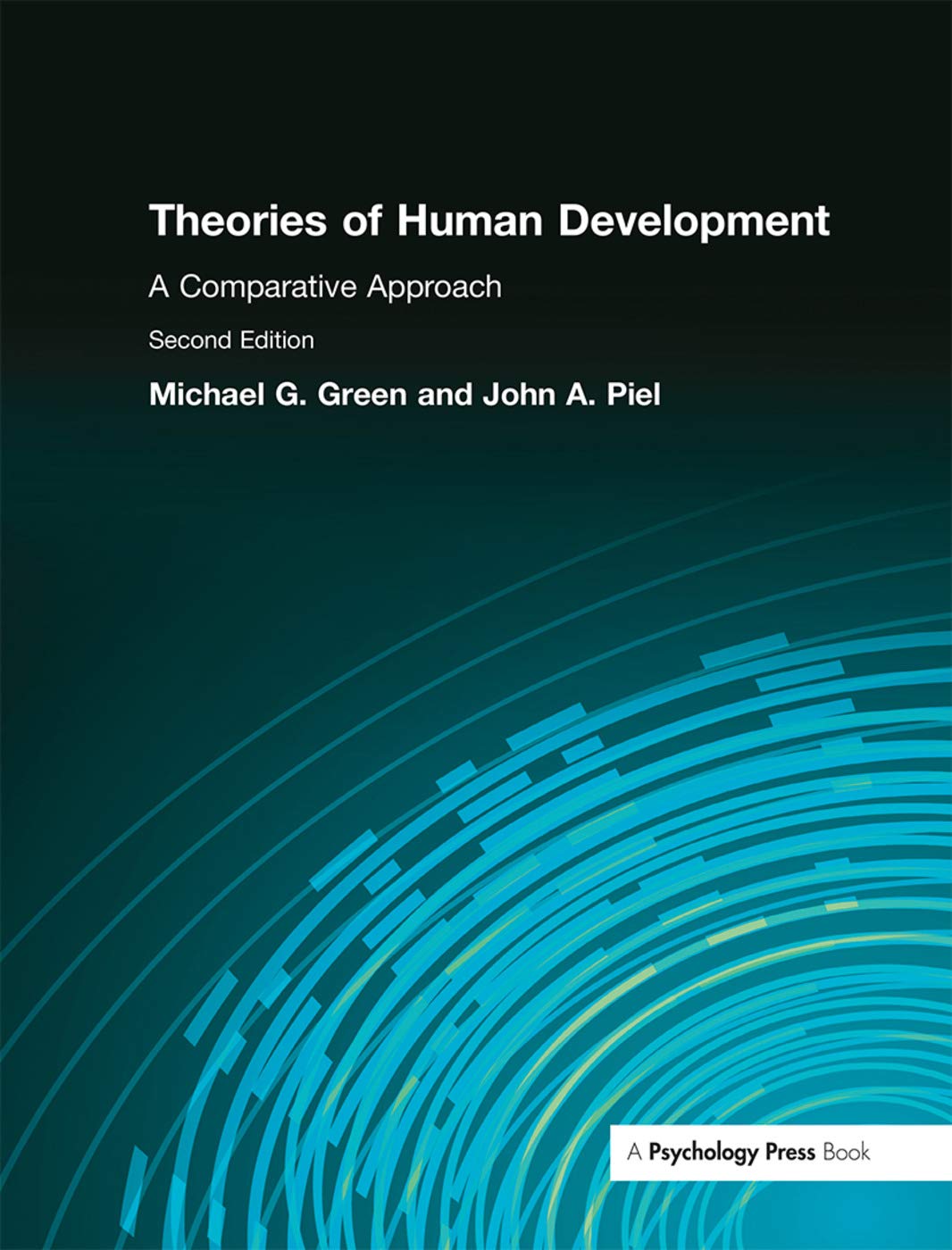
The authors have grouped the theories into three classical 'families' which differ in their views relative to the prime motives underlying human nature. They show how theories are specific examples of more general points of view called paradigms. The theories chosen to represent the three paradigms (the Endogenous Paradigm, Exogenous Paradigm, and the Constructivist Paradigm) were selected because they met four criteria:importance, as judged by academic and research psychologistsfertility, as judged by the amount of research the theory has generatedscope, as judged by the variety of phenomena the various theories explainfamily resemblance, as judged by how well each theory represents its paradigmThe authors present the 'paradigm case' in the lead chapter for each paradigm. This paradigm case is the 'best example' for the paradigm. The authors explain why paradigm cases are important, and give them more detailed treatment than other theories in the same paradigm.
⚠️ WARNING (California Proposition 65):
This product may contain chemicals known to the State of California to cause cancer,
birth defects, or other reproductive harm.
For MAP (Minimum Advertised Price) violations and Intellectual Property (IP) or Trademark concerns, please contact:
support@ergodebooks.com
⚠️ California Proposition 65 Warning: Some products sold on this website may expose you to chemicals known to the State of California to cause cancer, birth defects, or other reproductive harm. For more information, visit www.P65Warnings.ca.gov.