
Title
Theorizing Histories of Rhetoric,Used
Sold by Ergodebooks, an authorized reseller.
Returns accepted within 30 days | support@ergodebooks.com
Shipping Information
- Free Standard Shipping — United States only
- Processing Time: 3–5 business days
- Estimated Delivery: 6–10 business days after dispatch
- Double-boxed, fully insured & discreetly packaged
- Tracking number sent via email once dispatched
Returns & Refund
Returns accepted within 30 days of delivery.
Damaged or Defective Item
Free return shipping + replacement or full refund
Wrong Item Received
Free return shipping + replacement or full refund
Change of Mind
Return shipping at customer's expense · 25% restocking fee applies
Payment Option

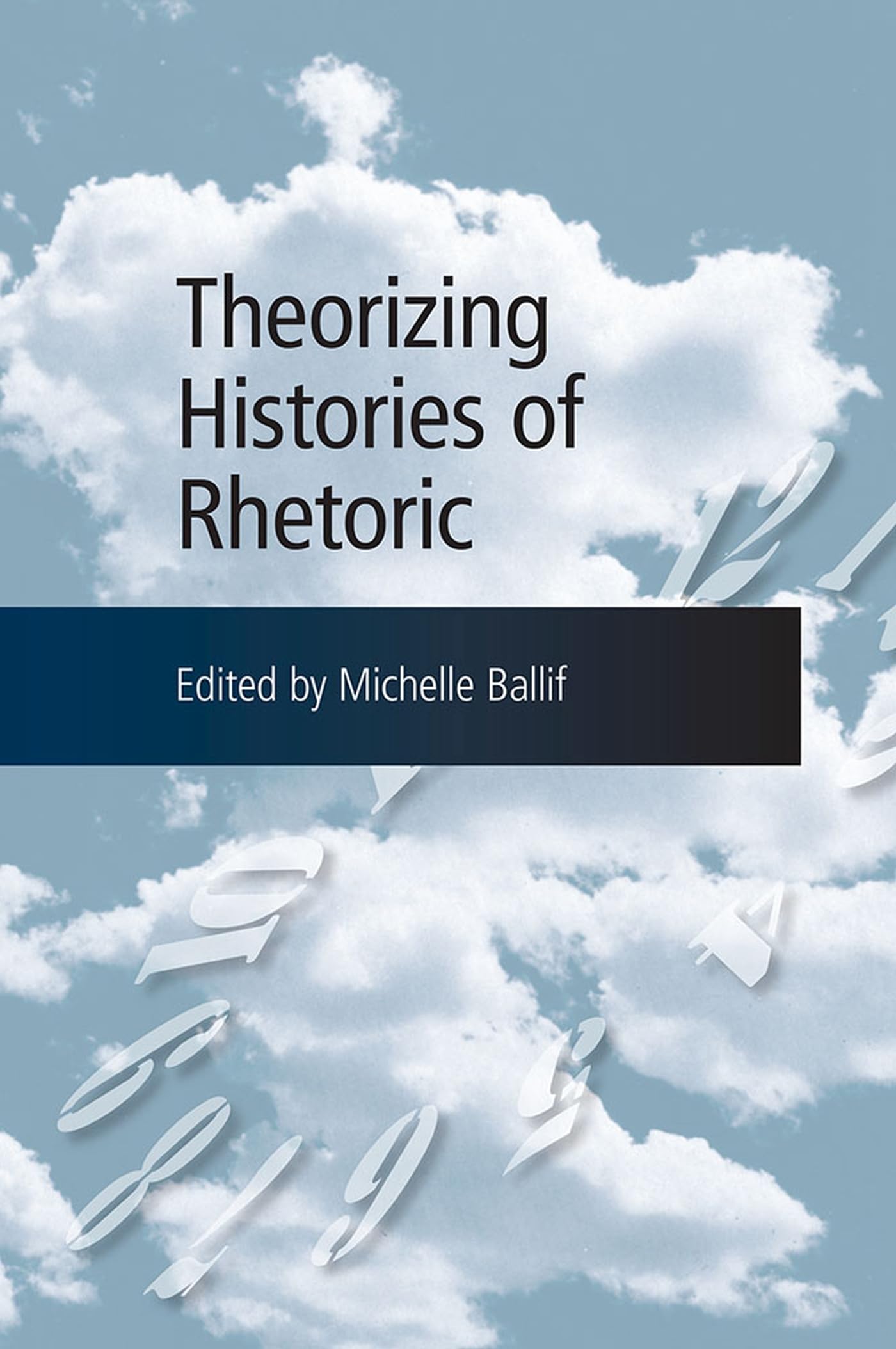
During the decades of the 1980s and 1990s, historians of rhetoric, composition, and communication vociferously theorized historiographical motivations and methodologies for writing histories in their fields. After this fertile period of rich, contested, and impassioned theorization, scholars busily undertook the composition of numerous historical works, complicating master narratives and recovering silenced voices and rhetorical practices. Yet, though historians in these fields have gone about the business of writing histories, the discussion of theorization has been quiet. In this welcome volume, fifteen scholars consider, once again, the theory of historiography, asking difficult questions about the purposes and methodologies of writing histories of rhetoric, broadly defined, and questioning what it means, what it should mean, what it could mean to write histories of rhetoric, composition, and communication.The topics addressed include the privileging of the literary and the textual over material artifacts as prime sources of evidence in the study of classical rhetoric, the use of rhetorical hermeneutics as a methodology for interpreting past practices, the investigation of feminist methodologies that do not fit into the dominant modes of feminist historiographical work and the examination of archives with a queer eye to better construct nondiscriminatory narratives. Contributors also explore the value of approaching historiography through the lenses of jazz improvisation and complexity theory, and the historiographical method of writing the future in ways that refigure our relationships to time and to ourselves.Consistently thoughtful and carefully argued, these essays successfully revive the discussion of historiography in rhetoric, inspiring fresh avenues of exploration in the field.
⚠️ WARNING (California Proposition 65):
This product may contain chemicals known to the State of California to cause cancer, birth defects, or other reproductive harm.
For more information, please visit www.P65Warnings.ca.gov.