
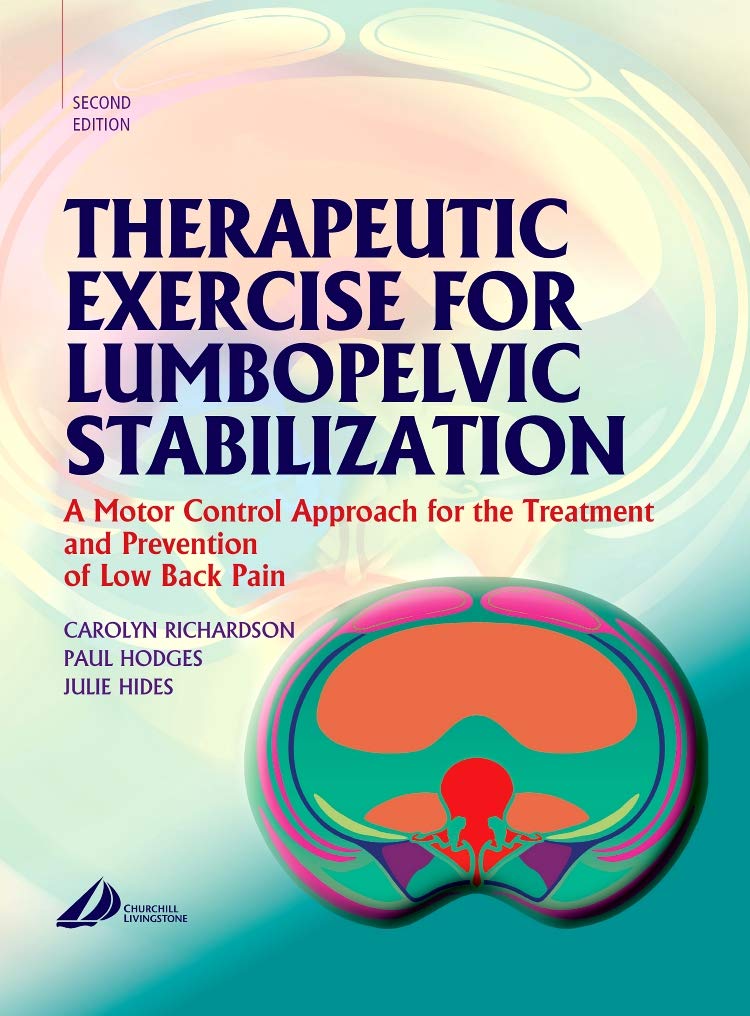
Title
Therapeutic Exercise for Lumbopelvic Stabilization: A Motor Control Approach for the Treatment and Prevention of Low Back Pain,Used
Sold by Ergodebooks, an authorized reseller.
Returns accepted within 30 days | support@ergodebooks.com
Shipping Information
- Free Standard Shipping — United States only
- Processing Time: 3–5 business days
- Estimated Delivery: 6–10 business days after dispatch
- Double-boxed, fully insured & discreetly packaged
- Tracking number sent via email once dispatched
Returns & Refund
Returns accepted within 30 days of delivery.
Damaged or Defective Item
Free return shipping + replacement or full refund
Wrong Item Received
Free return shipping + replacement or full refund
Change of Mind
Return shipping at customer's expense · 25% restocking fee applies
Payment Option

This book is based on the evidence from research undertaken by the authors over a number of years. The significance of these findings to the treatment and prevention of low back pain are now widely acknowledged, not only among researchers but also, and perhaps more importantly, among practitioners concerned with the management and prevention of back pain. In this new edition they have taken the opportunity to extend the scope of the book to accommodate the most recent evidence, which has emerged since the first edition was published in 1999. This is an important book in that it not only presents the evidence but also gives practical guidance on how the findings may be applied in everyday practice. This new edition will continue to provide an indispensable practical reference source for all those working in the field of musculoskeletal pain and dysfunction. Written by 3 of the foremost researchers in the field, the material features a high level of credibility and respect, unlikely to be found in any other reference on musculoskeletal dysfunction. Coverage offers the most uptodate information available, as it is based on the very latest research from the key workers in the field around the world Practical examples demonstrate the clinical relevance of the research to the student and busy practitioner The text presents a new, problemsolving approach to back pain assessment and management, based on the latest understanding of the anatomy, physiology and biomechanics involved. Extensive illustrations, line diagrams, and photographs complement the text with visual aides. Many new illustrations Old sections 2 and 3 combined and completely rewritten and restructured New detailed chapters on Panjabi's model related to the passive system, the neural system and the muscle system with more emphasis on the importance of the neural system than in the first edition. The dysfunction in each system will now be detailed and the interrelationships between the systems emphasized. New emphasis on the principles relating to the prevention of musculoskeletal injury and its importance for reducing health costs New chapter in Section 3 on prevention strategies More detail on the issues of the neural spine and ergonomics Acute and early intervention to be dealt with in separate chapters Issues relating to the management of chronic pain conditions to be included Explains the integration between the local and global muscle systems Explains how to integrate therapeutic exercise with other treatment programs e.g. manual therapy and electrotherapy and how to progress the client from one program to another. All text retained from previous edition to be revised and updated.
⚠️ WARNING (California Proposition 65):
This product may contain chemicals known to the State of California to cause cancer, birth defects, or other reproductive harm.
For more information, please visit www.P65Warnings.ca.gov.
- Q: What is the main focus of 'Therapeutic Exercise for Lumbopelvic Stabilization'? A: The book focuses on the treatment and prevention of low back pain through a motor control approach, integrating the latest research findings in the field.
- Q: Who are the authors of this book? A: The book is authored by Richardson PhD BPhty(Hons) and Carolyn, who are recognized researchers in the field of musculoskeletal pain and dysfunction.
- Q: What are the key features of this book? A: Key features include extensive illustrations, practical guidance based on recent research, a problem-solving approach to assessment and management, and new chapters on prevention strategies and chronic pain management.
- Q: How many pages does this book have? A: The book contains 284 pages, providing comprehensive coverage of its subject matter.
- Q: What edition is this book? A: This is the second edition of the book, reflecting updates and new information since the first edition was published in 1999.
- Q: Is the book suitable for both practitioners and students? A: Yes, the book is designed to be a practical reference for both practitioners and students involved in the management of musculoskeletal pain.
- Q: What type of binding does this book have? A: The book is available in hardcover binding, which provides durability and a professional appearance.
- Q: When was this book published? A: The book was published on September 3, 2004.
- Q: Does the book cover ergonomic principles? A: Yes, the book includes discussions on ergonomics and its importance in preventing musculoskeletal injuries.
- Q: Can therapeutic exercise be integrated with other treatment programs? A: Yes, the book explains how to integrate therapeutic exercise with other treatment modalities such as manual therapy and electrotherapy.