
Title
Thinking Through Revelation: Islamic, Jewish, And Christian Philosophy In The Middle Ages,Used
Sold by Ergodebooks, an authorized reseller.
Returns accepted within 30 days | support@ergodebooks.com
Shipping Information
- Free Standard Shipping — United States only
- Processing Time: 3–5 business days
- Estimated Delivery: 6–10 business days after dispatch
- Double-boxed, fully insured & discreetly packaged
- Tracking number sent via email once dispatched
Returns & Refund
Returns accepted within 30 days of delivery.
Damaged or Defective Item
Free return shipping + replacement or full refund
Wrong Item Received
Free return shipping + replacement or full refund
Change of Mind
Return shipping at customer's expense · 25% restocking fee applies
Payment Option

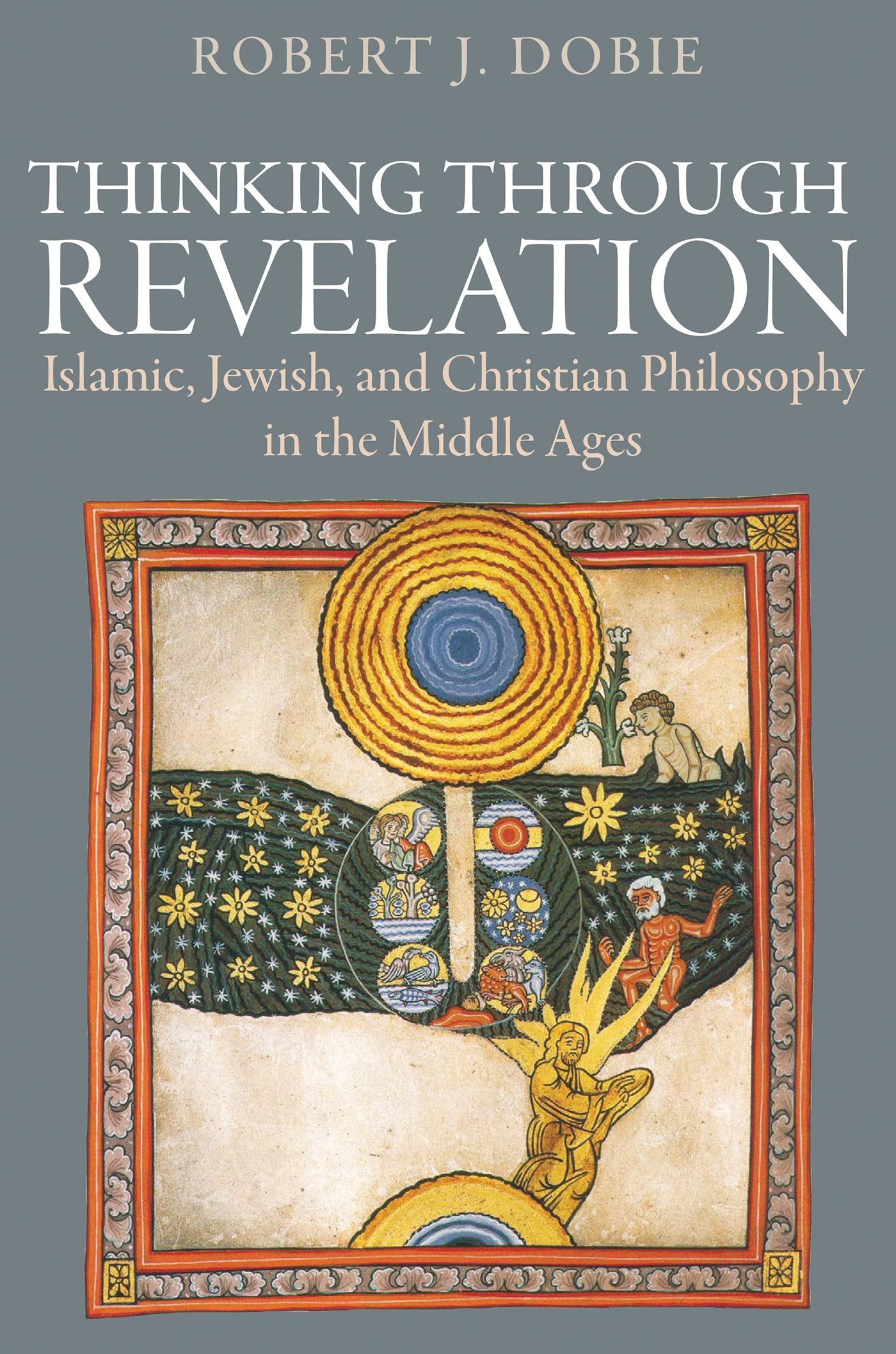
Navigating the seemingly competing claims of human reason and divine revelation to truth is without a doubt one of the central problems of medieval philosophy. Medieval thinkers argued a whole gamut of positions on the proper relation of religious faith to human reason. Thinking Through Revelation attempts to ask deeper questions: what possibilities for philosophical thought did divine revelation open up for medieval thinkers? How did the contents of the sacred scriptures of Judaism, Christianity, and Islam put into question established philosophical assumptions? But most fundamentally, how did not merely the content of the sacred books but the very mode in which revelation itself is understood to come to us as a book 'sent down' from on high, as a covenant between God and his people, or as incarnate person create or foreclose possibilities for the resolution of the philosophical problems that the Abrahamic revelations themselves raised?Robert Dobie explores these questions by looking in detail at the thought of three of the most important philosophertheologians of the Middle Ages: Averroes, Moses Maimonides, and Thomas Aquinas, each working within the Islamic, Jewish, and Christian traditions respectively. Of particular interest are two questions central to medieval thought: in what sense is the world 'created' and what is the proper nature and ontological status of the human intellect? These two problems took on such importance in this period, this book argues, because they forced medieval philosophers and theologians to confront the degree to which the revelation they considered authoritative made possible their resolution.Thus, these medieval thinkers show thinkers today what possibilities are available for navigating the ageold question of the proper relation between faith and reason in a world where questions of the rationality of religious faith especially from an interfaith perspective are not diminishing but increasing in importance.
⚠️ WARNING (California Proposition 65):
This product may contain chemicals known to the State of California to cause cancer, birth defects, or other reproductive harm.
For more information, please visit www.P65Warnings.ca.gov.