
Title
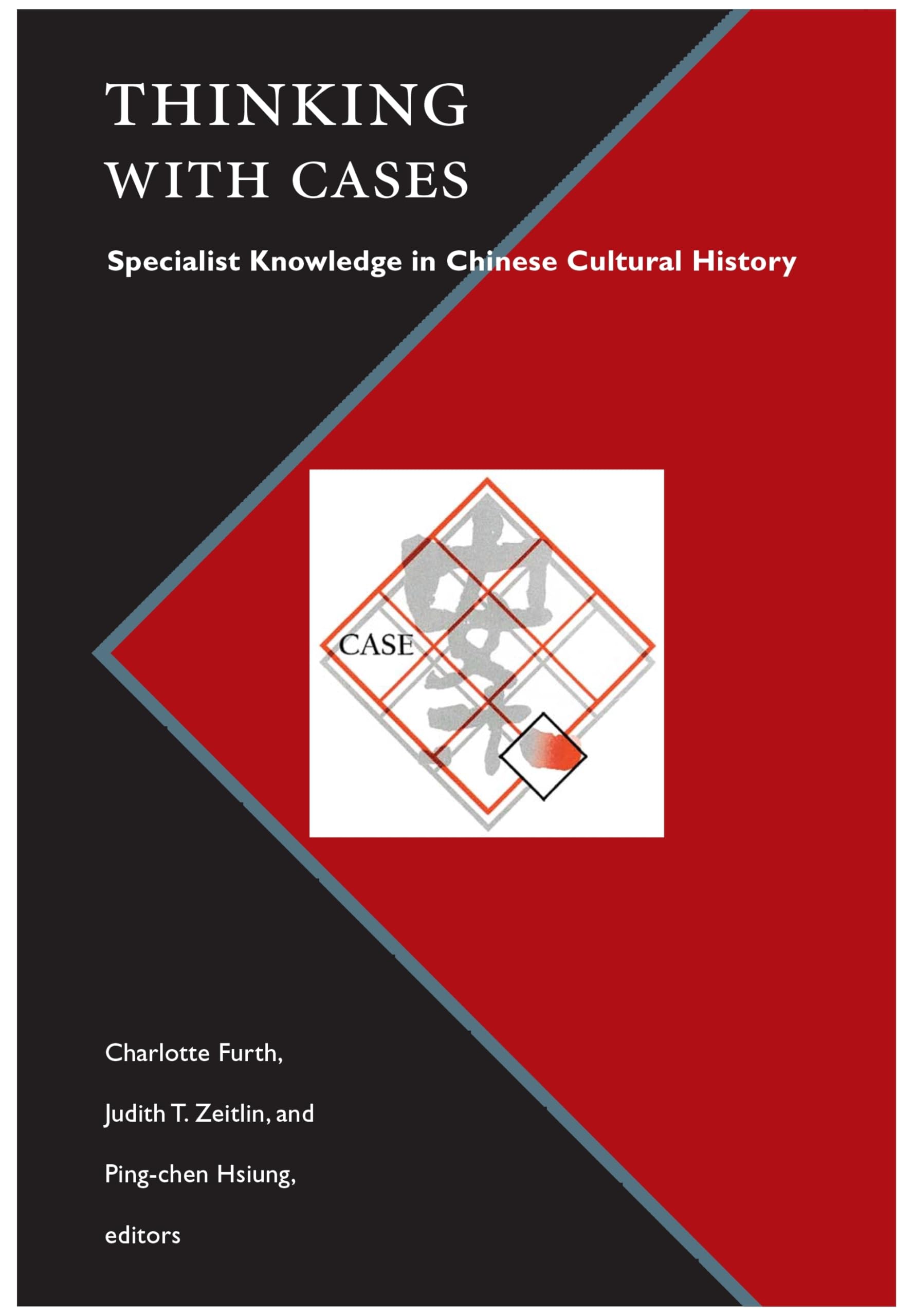
Thinking with Cases: Specialist Knowledge in Chinese Cultural History,Used
Sold by Ergodebooks, an authorized reseller.
Returns accepted within 30 days | support@ergodebooks.com
Shipping Information
- Free Standard Shipping — United States only
- Processing Time: 3–5 business days
- Estimated Delivery: 6–10 business days after dispatch
- Double-boxed, fully insured & discreetly packaged
- Tracking number sent via email once dispatched
Returns & Refund
Returns accepted within 30 days of delivery.
Damaged or Defective Item
Free return shipping + replacement or full refund
Wrong Item Received
Free return shipping + replacement or full refund
Change of Mind
Return shipping at customer's expense · 25% restocking fee applies
Payment Option

Case studies fascinate because they link individual instances to general patterns and knowledge to action without denying the priority of individual situations over the generalizations derived from them. In this volume, an international group of senior scholars comes together to consider the use of cases to produce empirical knowledge in premodern China. They trace the process by which the project of thinking with cases acquired a systematic and public character in the ninth century CE and after. Premodern Chinese experts on medicine and law circulated printed case collections to demonstrate efficacy or claim validity for their judgments. They were joined by authors of religious and philosophical texts. The rhetorical strategies and forms of argument used by all of these writers were allied with historical narratives, exemplary biographies, and case examples composed as aids to imperial statecraft.The innovative and productive explorations gathered here present a coherent set of interlocking arguments that will be of interest to comparativists as well as specialists on premodern East Asia. For China scholars, they examine the interaction of different fields of learning in the late imperial period, the relationship of evidential reasoning and literary forms, and the philosophical frameworks that linked knowledge to experience and action. For comparativists, the essays bring China into a global conversation about the methodologies of the human sciences.Contributors: Chu Honglam, Charlotte Furth, Hsiung Pingchen, Jiang Yonglin, Yasuhiko Karasawa, Robert Sharf, Pierretienne Will, WuYanhong, Judith T. Zeitlin.
⚠️ WARNING (California Proposition 65):
This product may contain chemicals known to the State of California to cause cancer, birth defects, or other reproductive harm.
For more information, please visit www.P65Warnings.ca.gov.