
Title
This Land Is Ours Now: Social Mobilization and the Meanings of Land in Brazil,New
Sold by Ergodebooks, an authorized reseller.
Returns accepted within 30 days | support@ergodebooks.com
Shipping Information
- Free Standard Shipping — United States only
- Processing Time: 3–5 business days
- Estimated Delivery: 6–10 business days after dispatch
- Double-boxed, fully insured & discreetly packaged
- Tracking number sent via email once dispatched
Returns & Refund
Returns accepted within 30 days of delivery.
Damaged or Defective Item
Free return shipping + replacement or full refund
Wrong Item Received
Free return shipping + replacement or full refund
Change of Mind
Return shipping at customer's expense · 25% restocking fee applies
Payment Option

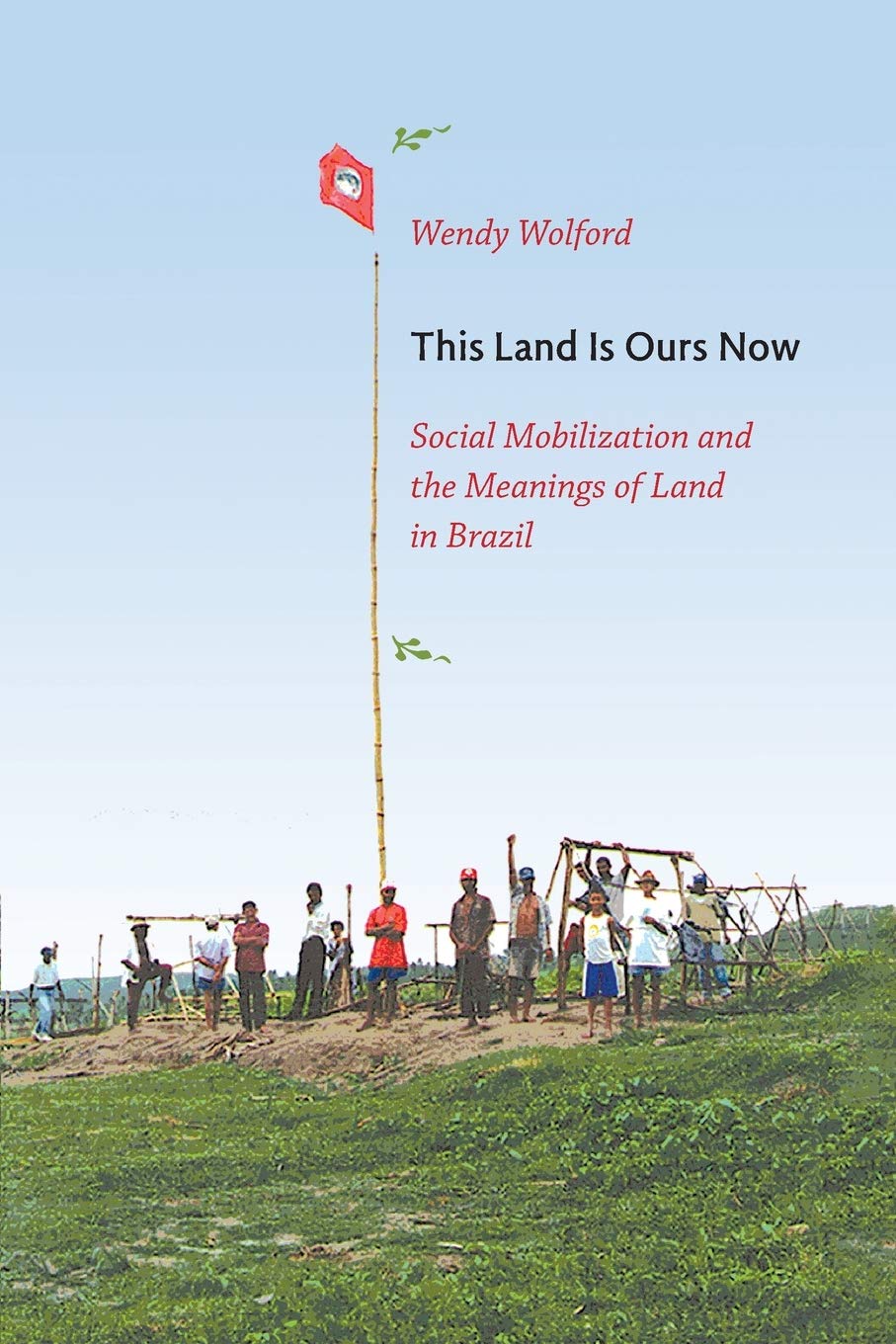
In This Land Is Ours Now, Wendy Wolford presents an original framework for understanding social mobilization. She argues that social movements are not the politically coherent, bounded entities often portrayed by scholars, the press, and movement leaders. Instead, they are constantly changing mediations between localized moral economies and official movement ideologies. Wolford develops her argument by analyzing how a particular social movement works: Brazils Rural Landless Workers Movement, known as the Movimento Sem Terra (MST). Founded in the southernmost states of Brazil in the mid1980s, this extraordinary grassroots agrarian movement grew dramatically in the ensuing years. By the late 1990s it was the most dynamic, wellorganized social movement in Brazilian history.Drawing on extensive ethnographic research, Wolford compares the development of the movement in Brazils southern state of Santa Catarina and its northeastern state of Pernambuco. As she explains, in the south, most of the movements members were sons and daughters of small peasant farmers; in the northeast, they were almost all former plantation workers, who related awkwardly to the movements agenda of accessing land for those who work it. The MST became an effective presence in Pernambuco only after the local sugarcane economy had collapsed. Worldwide sugarcane prices dropped throughout the 1990s, and by 1999 the MST was a prominent political organizer in the northeastern plantation region. Yet fewer than four years later, most of the regions workers had dropped out of the movement. By delving into the northeastern workers motivations for joining and then leaving the MST, Wolford adds nuance and depth to accounts of a celebrated grassroots social movement, and she highlights the contingent nature of social movements and political identities more broadly.
⚠️ WARNING (California Proposition 65):
This product may contain chemicals known to the State of California to cause cancer, birth defects, or other reproductive harm.
For more information, please visit www.P65Warnings.ca.gov.