If you have any questions, you are always welcome to contact us. We'll get back to you as soon as possible, withing 24 hours on weekdays.
Customer service
All questions about your order, return and delivery must be sent to our customer service team by e-mail at yourstore@yourdomain.com
Sale & Press
If you are interested in selling our products, need more information about our brand or wish to make a collaboration, please contact us at press@yourdomain.com
Help
If you have any questions, you are always welcome to contact us. We'll get back to you as soon as possible, withing 24 hours on weekdays.
Customer service
All questions about your order, return and delivery must be sent to our customer service team by e-mail at yourstore@yourdomain.com
Sale & Press
If you are interested in selling our products, need more information about our brand or wish to make a collaboration, please contact us at press@yourdomain.com
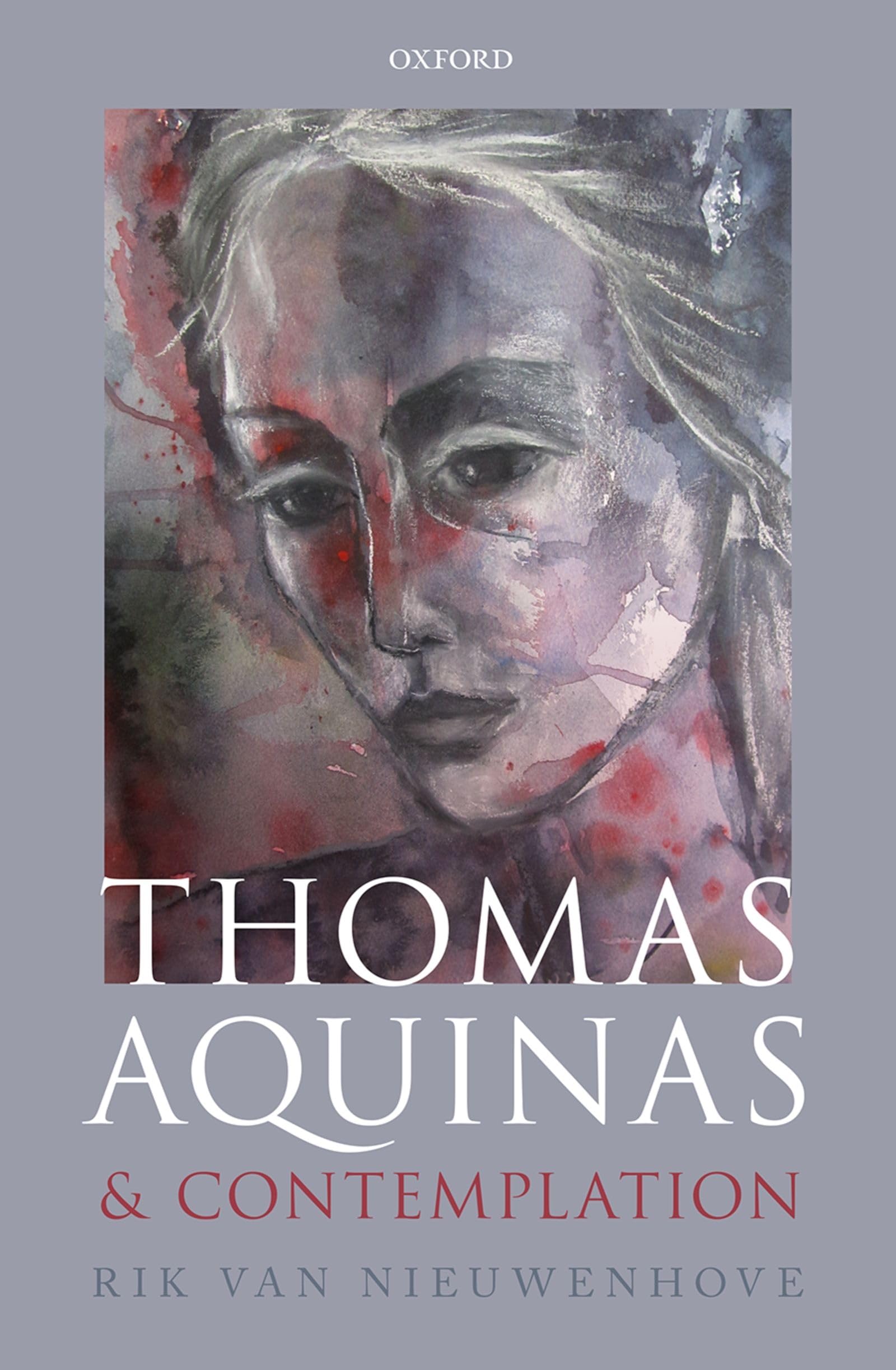
Contemplation, according to Thomas Aquinas, is the central goal of our life. This study considers the epistemological and metaphysical foundations of the contemplative act; the nature of the active and contemplative lives in light of Aquinas's Dominican calling; the role of faith, charity, and the gifts of the Holy Spirit in contemplation; and contemplation and the beatific vision. Rik Van Nieuwenhove argues that Aquinas espouses a profoundly intellective notion of contemplation in the strictly speculative sense, which culminates in a nondiscursive moment of insight (intuitus simplex). In marked contrast to his contemporaries Aquinas therefore rejects a sapiential or affective brand of theology. He also employs a broader notion of contemplation, which can be enjoyed by all Christians, in which the gifts of the Holy Spirit are of central importance. Thomas Aquinas and Contemplation will appeal to readers interested in this key aspect of Aquinas's thought. Van Nieuwenhove provides a lucid account of central aspects of Aquinas's metaphysics, epistemology, theology, and spirituality. He also offers new insights into the nature of the theological discipline as Aquinas sees it, and how theology relates to philosophy.
⚠️ WARNING (California Proposition 65):
This product may contain chemicals known to the State of California to cause cancer,
birth defects, or other reproductive harm.
For MAP (Minimum Advertised Price) violations and Intellectual Property (IP) or Trademark concerns, please contact:
support@ergodebooks.com
⚠️ California Proposition 65 Warning: Some products sold on this website may expose you to chemicals known to the State of California to cause cancer, birth defects, or other reproductive harm. For more information, visit www.P65Warnings.ca.gov.