
Title
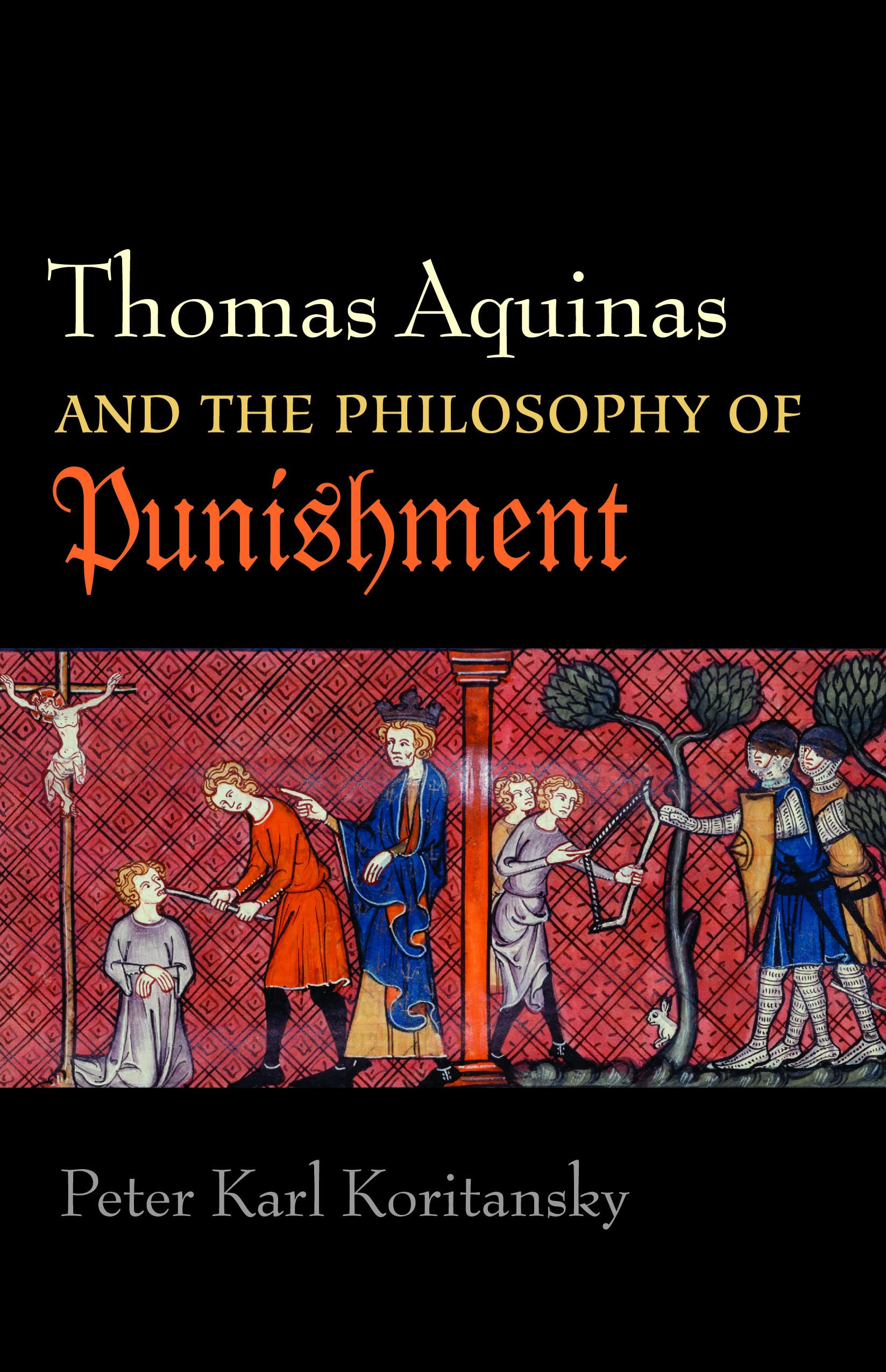
Thomas Aquinas and the Philosophy of Punishment,New
Sold by Ergodebooks, an authorized reseller.
Returns accepted within 30 days | support@ergodebooks.com
Shipping Information
- Free Standard Shipping — United States only
- Processing Time: 3–5 business days
- Estimated Delivery: 6–10 business days after dispatch
- Double-boxed, fully insured & discreetly packaged
- Tracking number sent via email once dispatched
Returns & Refund
Returns accepted within 30 days of delivery.
Damaged or Defective Item
Free return shipping + replacement or full refund
Wrong Item Received
Free return shipping + replacement or full refund
Change of Mind
Return shipping at customer's expense · 25% restocking fee applies
Payment Option

Thomas Aquinas and the Philosophy of Punishment explores how Aquinas's understandings of natural law and the common good apply to the contemporary philosophical discussion of punitive justice. It is the first booklength study to consider this question in decades, and the only book that confronts modern views of the topic.Peter Karl Koritansky presents Thomas Aquinas's theory of punishment as an alternative to the leading schools of thought that have dominated the philosophical landscape in recent times, namely, utilitarianism and retributivism. After carefully examining each one and tracing its roots back to Immanuel Kant and Jeremy Bentham, Koritansky concludes that neither approach to punitive justice is able to provide a philosophically compelling justification for the institution of punishment. He explains how St. Thomas approaches the same philosophical questions from a markedly different set of assumptions rooted in his theory of natural law and his understanding of the common good.Not without its own difficulties, Aquinas's approach offers a rationale and justification of punishment that is, Koritansky argues, much more humane, realistic, and compelling than either contemporary school is able to provide. Koritansky distinguishes his reading of the Angelic Doctor from that of other interpreters who tend to conflate Aquinas's teaching with various aspects of recent thought. A final chapter considers the death penalty in John Paul II's Gospel of Life and debates whether current Catholic teaching about the death penalty conflicts with Aquinas's arguments in favor of the death penalty.ABOUT THE AUTHOR:Peter Karl Koritansky is assistant professor of philosophy and religion at the University of Prince Edward Island.PRAISE FOR THE BOOK:'Koritansky provides a patient, thorough, learned, and balanced treatment of Aquinas's thought on punishment. This book makes an important contribution to contemporary efforts to interpret and analyze Aquinas's political thought and to current studies on the theory of punishment across various schools of thought. The scholarship is exemplary.'Mary M. Keys, Associate Professor of Political Science, University of Notre Dame
⚠️ WARNING (California Proposition 65):
This product may contain chemicals known to the State of California to cause cancer, birth defects, or other reproductive harm.
For more information, please visit www.P65Warnings.ca.gov.