If you have any questions, you are always welcome to contact us. We'll get back to you as soon as possible, withing 24 hours on weekdays.
Customer service
All questions about your order, return and delivery must be sent to our customer service team by e-mail at yourstore@yourdomain.com
Sale & Press
If you are interested in selling our products, need more information about our brand or wish to make a collaboration, please contact us at press@yourdomain.com
Help
If you have any questions, you are always welcome to contact us. We'll get back to you as soon as possible, withing 24 hours on weekdays.
Customer service
All questions about your order, return and delivery must be sent to our customer service team by e-mail at yourstore@yourdomain.com
Sale & Press
If you are interested in selling our products, need more information about our brand or wish to make a collaboration, please contact us at press@yourdomain.com
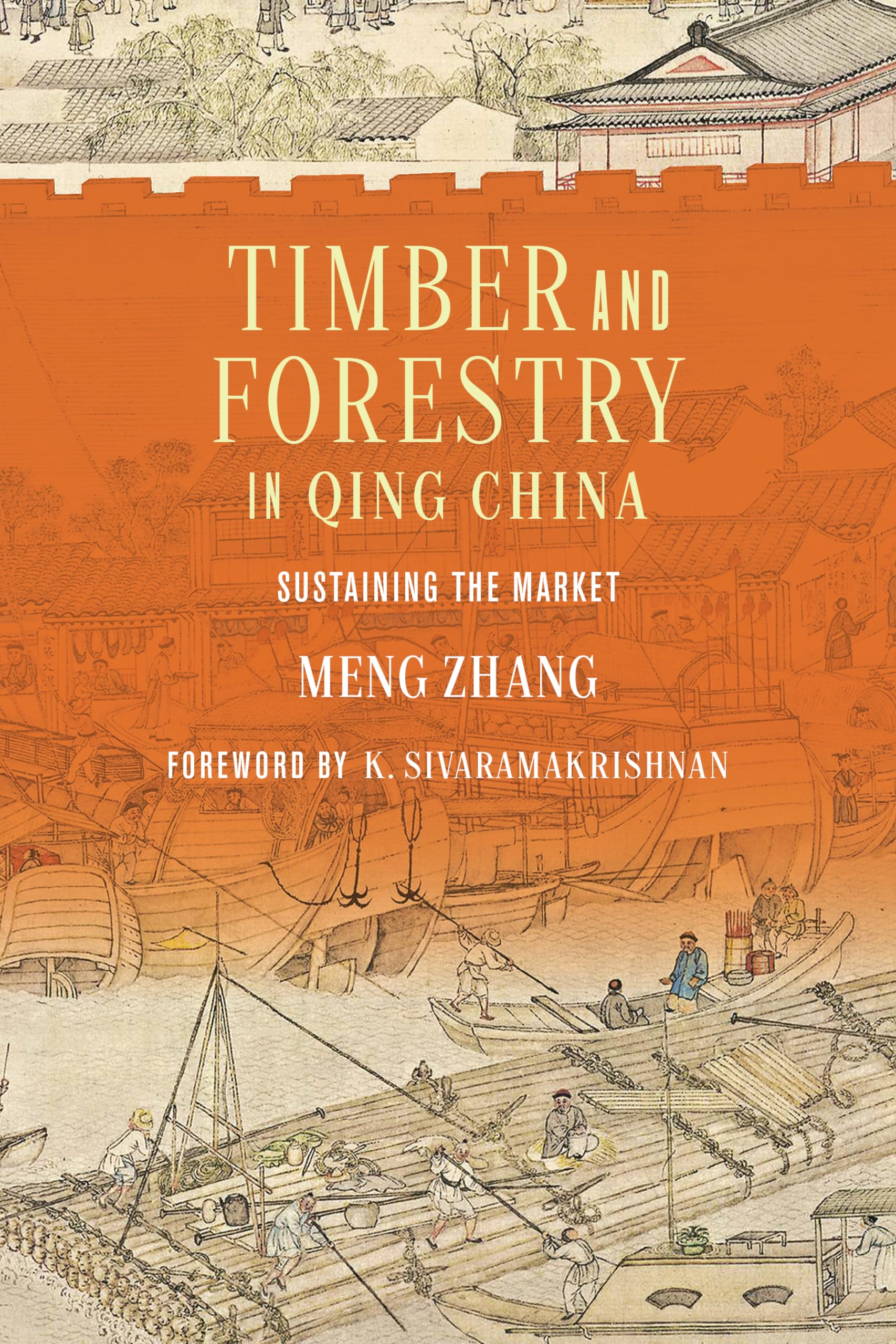
In the Qing period (16441912), China's population tripled, and the flurry of new development generated unprecedented demand for timber. Standard environmental histories have often depicted this as an era of reckless deforestation, akin to the resource misuse that devastated European forests at the same time. This comprehensive new study shows that the reality was more complex: as oldgrowth forests were cut down, new economic arrangements emerged to develop renewable timber resources.Historian Meng Zhang traces the trade routes that connected population centers of the Lower Yangzi Delta to timber supplies on China's southwestern frontier. She documents innovative property rights systems and economic incentives that convinced landowners to invest years in growing trees. Delving into rare archives to reconstruct business histories, she considers both the formal legal mechanisms and the informal interactions that helped balance economic profit with environmental management. Of driving concern were questions of sustainability: How to maintain a reliable source of timber across decades and centuries? And how to sustain a business network across a thousand miles? This carefully constructed study makes a major contribution to Chinese economic and environmental history and to worldhistorical discourses on resource management, early modern commercialization, and sustainable development.
⚠️ WARNING (California Proposition 65):
This product may contain chemicals known to the State of California to cause cancer,
birth defects, or other reproductive harm.
For MAP (Minimum Advertised Price) violations and Intellectual Property (IP) or Trademark concerns, please contact:
support@ergodebooks.com
⚠️ California Proposition 65 Warning: Some products sold on this website may expose you to chemicals known to the State of California to cause cancer, birth defects, or other reproductive harm. For more information, visit www.P65Warnings.ca.gov.