
Title
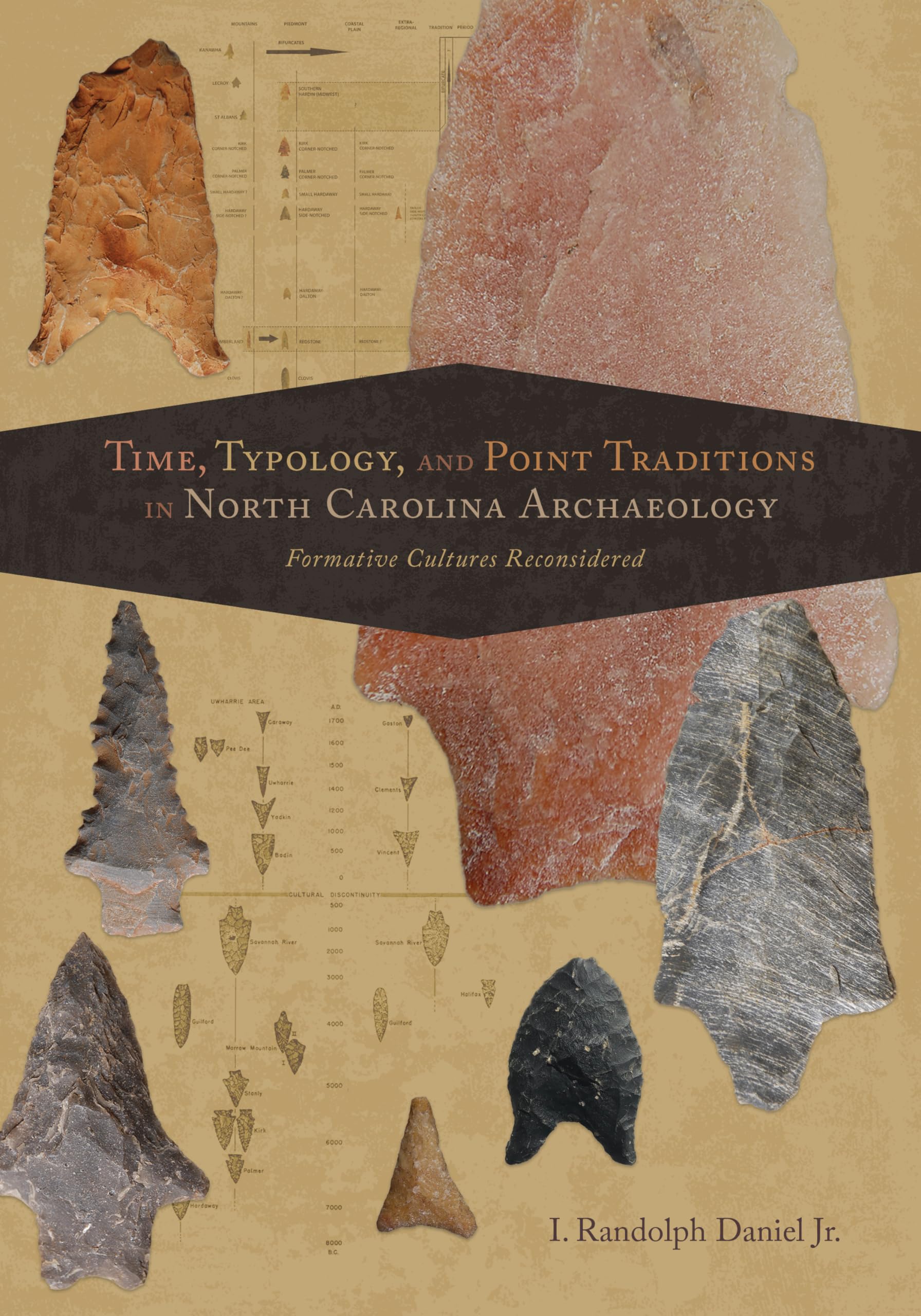
Time, Typology, And Point Traditions In North Carolina Archaeology: Formative Cultures Reconsidered (Archaeology Of The American,Used
Sold by Ergodebooks, an authorized reseller.
Returns accepted within 30 days | support@ergodebooks.com
Shipping Information
- Free Standard Shipping — United States only
- Processing Time: 3–5 business days
- Estimated Delivery: 6–10 business days after dispatch
- Double-boxed, fully insured & discreetly packaged
- Tracking number sent via email once dispatched
Returns & Refund
Returns accepted within 30 days of delivery.
Damaged or Defective Item
Free return shipping + replacement or full refund
Wrong Item Received
Free return shipping + replacement or full refund
Change of Mind
Return shipping at customer's expense · 25% restocking fee applies
Payment Option

A reconsideration of the seminal projectile point typologyIn the 1964 landmark publication The Formative Cultures of the Carolina Piedmont, Joffre Coe established a projectile point typology and chronology that, for the first time, allowed archaeologists to identify the relative age of a site or site deposit based on the point types recovered there. Consistent with the culturalhistorical paradigm of the day, the Coe axiom stipulated that only one point type was produced at one moment in time in a particular location. Moreover, Coe identified periods of cultural continuity and discontinuity in the chronology based on perceived similarities and differences in point styles through time.In Time, Typology, and Point Traditions in North Carolina Archaeology: Formative Cultures Reconsidered, I. Randolph Daniel Jr. reevaluates the Coe typology and sequence, analyzing their strengths and weaknesses. Daniel reviews the history of the projectile point type concept in the Southeast and revisits both Coes axiom and his notions regarding cultural continuity and change based on point types. In addition, Daniel updates Coes typology by clarifying or revising existing types and including types unrecognized in Coes monograph. Daniel also adopts a practicecentered approach to interpreting types and organizes them into several technological traditions that trace ancestraldescendent communities of practice that relate to our current understanding of North Carolina prehistory.Appealing to professional and avocational archaeologists, Daniel provides ample illustrations of points in the book as well as color versions on a dedicated website. Daniel dedicates a final chapter to a discussion of the ethical issues related to professional archaeologists using private artifact collections. He calls for greater collaboration between professional and avocational communities, noting the scientific value of some private collections.
⚠️ WARNING (California Proposition 65):
This product may contain chemicals known to the State of California to cause cancer, birth defects, or other reproductive harm.
For more information, please visit www.P65Warnings.ca.gov.