
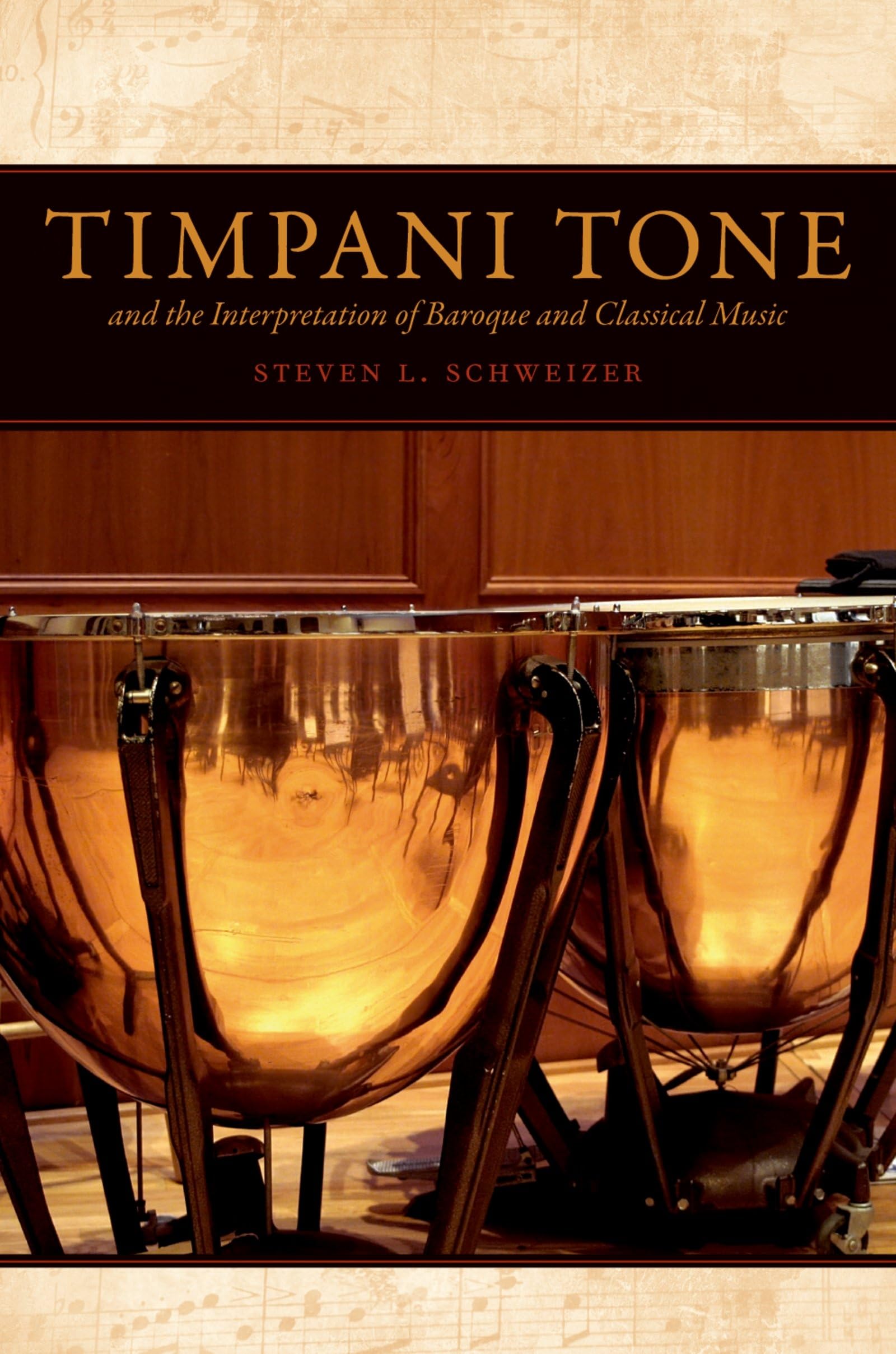
Title
Timpani Tone And The Interpretation Of Baroque And Classical Music
Sold by Ergodebooks, an authorized reseller.
Returns accepted within 30 days | support@ergodebooks.com
Shipping Information
- Free Standard Shipping — United States only
- Processing Time: 3–5 business days
- Estimated Delivery: 6–10 business days after dispatch
- Double-boxed, fully insured & discreetly packaged
- Tracking number sent via email once dispatched
Returns & Refund
Returns accepted within 30 days of delivery.
Damaged or Defective Item
Free return shipping + replacement or full refund
Wrong Item Received
Free return shipping + replacement or full refund
Change of Mind
Return shipping at customer's expense · 25% restocking fee applies
Payment Option

Timpani Tone and the Interpretation of Baroque and Classical Music explores the nature, production, and evolution of timpani tone and provides insights into how to interpret the music of J. S. Bach, Handel, Haydn, and Mozart. In drawing on 31 years of experience, Steven L. Schweizer focuses on the components of timpani tone and methods for producing it. In so doing, he discusses the importance of timpani bowl type; mallets; playing style; physical gestures; choice of drums; mallet grip; legato, marcato, and staccato strokes; playing different parts of the timpano head; and psychological openness to the music in effectively shaping and coloring timpani parts.In an acclaimed chapter on interpretation, Schweizer explores how timpanists can use knowledge of the composer's style, psychology, and musical intentions; phrasing and articulation; the musical score; and a conductor's gestures to effectively and convincingly play a part with emotional dynamism and power. The greater part of the book is devoted to the interpretation of Baroque and Classical orchestral and choral music. Meticulously drawing on original sources and authoritative scores from the seventeenth through nineteenth centuries, Schweizer convincingly demonstrates that timpanists were capable of producing a broader range of timpani tone earlier than is normally supposed. The increase in timpani size, covered timpani mallets, and thinner timpani heads increased the quality of timpani tone; therefore, today's timpanist's need not be entirely concerned with playing with very articulate sticks. In exhaustive sections on Bach, Handel, Haydn, and Mozart, Schweizer takes the reader on an odyssey through the interpretation of their symphonic and choral music.Relying on Baroque and Classical performance practices, timpani notation, the composer's musical style, and definitive scores, he interprets timpani parts from major works of these composers. Schweizer pays particular attention to timpani tone, articulation, phrasing, and dynamic contouring: elements necessary to effectively communicate their part to listeners.
⚠️ WARNING (California Proposition 65):
This product may contain chemicals known to the State of California to cause cancer, birth defects, or other reproductive harm.
For more information, please visit www.P65Warnings.ca.gov.