If you have any questions, you are always welcome to contact us. We'll get back to you as soon as possible, withing 24 hours on weekdays.
Customer service
All questions about your order, return and delivery must be sent to our customer service team by e-mail at yourstore@yourdomain.com
Sale & Press
If you are interested in selling our products, need more information about our brand or wish to make a collaboration, please contact us at press@yourdomain.com
Help
If you have any questions, you are always welcome to contact us. We'll get back to you as soon as possible, withing 24 hours on weekdays.
Customer service
All questions about your order, return and delivery must be sent to our customer service team by e-mail at yourstore@yourdomain.com
Sale & Press
If you are interested in selling our products, need more information about our brand or wish to make a collaboration, please contact us at press@yourdomain.com
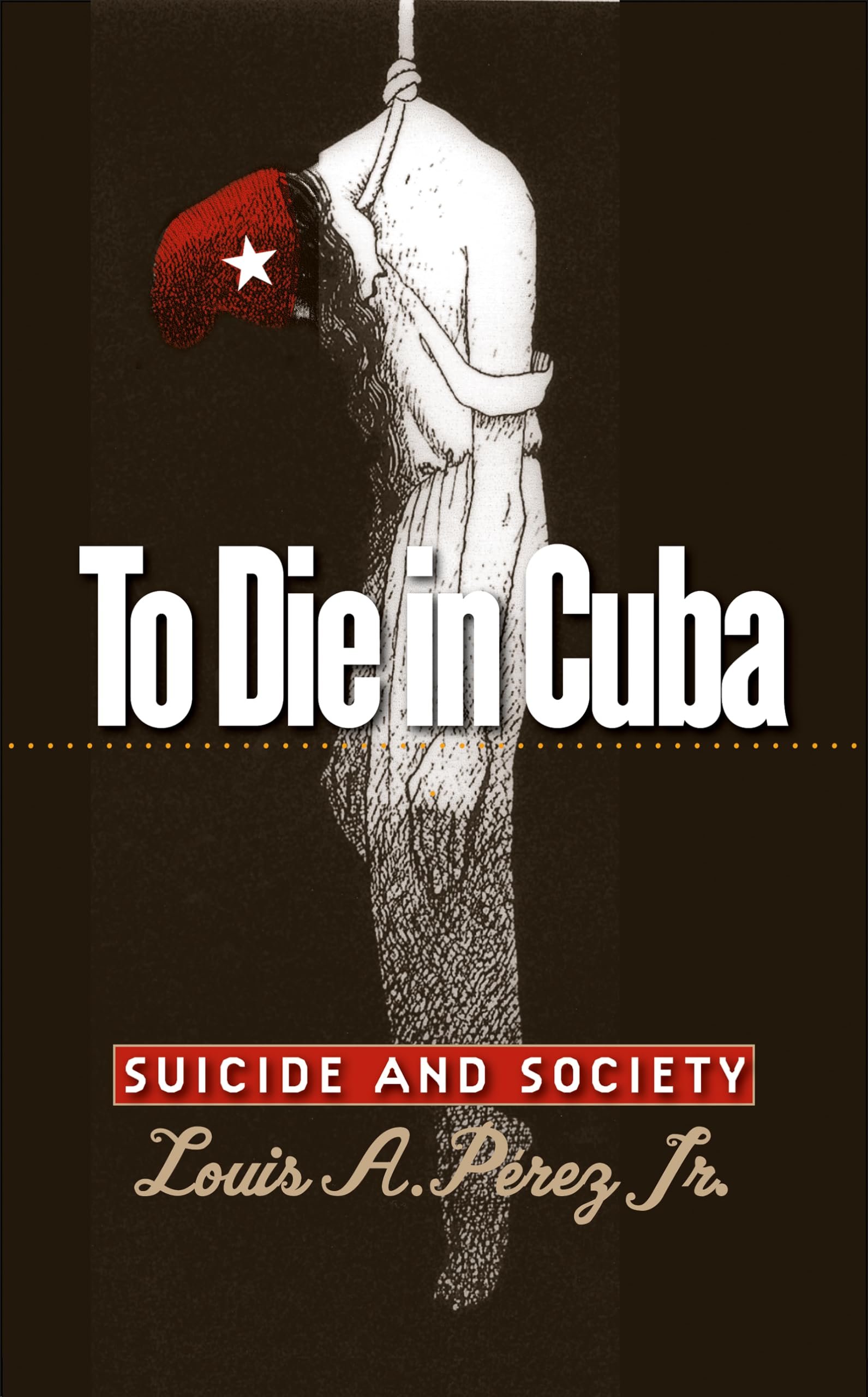
For much of the nineteenth century and all of the twentieth, the per capita rate of suicide in Cuba was the highest in Latin America and among the highest in the worlda condition made all the more extraordinary in light of Cuba's historic ties to the Catholic church. In this richly illustrated social and cultural history of suicide in Cuba, Louis A. Perez Jr. explores the way suicide passed from the unthinkable to the unremarkable in Cuban society.In a study that spans the experiences of enslaved Africans and indentured Chinese in the colony, nationalists of the twentiethcentury republic, and emigrants from Cuba to Florida following the 1959 revolution, Perez finds that the act of suicide was loaded with meanings that changed over time. Analyzing the social context of suicide, he argues that in addition to confirming despair, suicide sometimes served as a way to consecrate patriotism, affirm personal agency, or protest injustice. The act was often seen by suicidal persons and their contemporaries as an entirely reasonable response to circumstances of affliction, whether economic, political, or social.Bringing an important historical perspective to the study of suicide, Perez offers a valuable new understanding of the strategies with which vast numbers of people made their way through lifeif only to choose to end it. To Die in Cuba ultimately tells as much about Cubans' lives, culture, and society as it does about their selfinflicted deaths.
⚠️ WARNING (California Proposition 65):
This product may contain chemicals known to the State of California to cause cancer,
birth defects, or other reproductive harm.
For MAP (Minimum Advertised Price) violations and Intellectual Property (IP) or Trademark concerns, please contact:
support@ergodebooks.com
⚠️ California Proposition 65 Warning: Some products sold on this website may expose you to chemicals known to the State of California to cause cancer, birth defects, or other reproductive harm. For more information, visit www.P65Warnings.ca.gov.