
Title
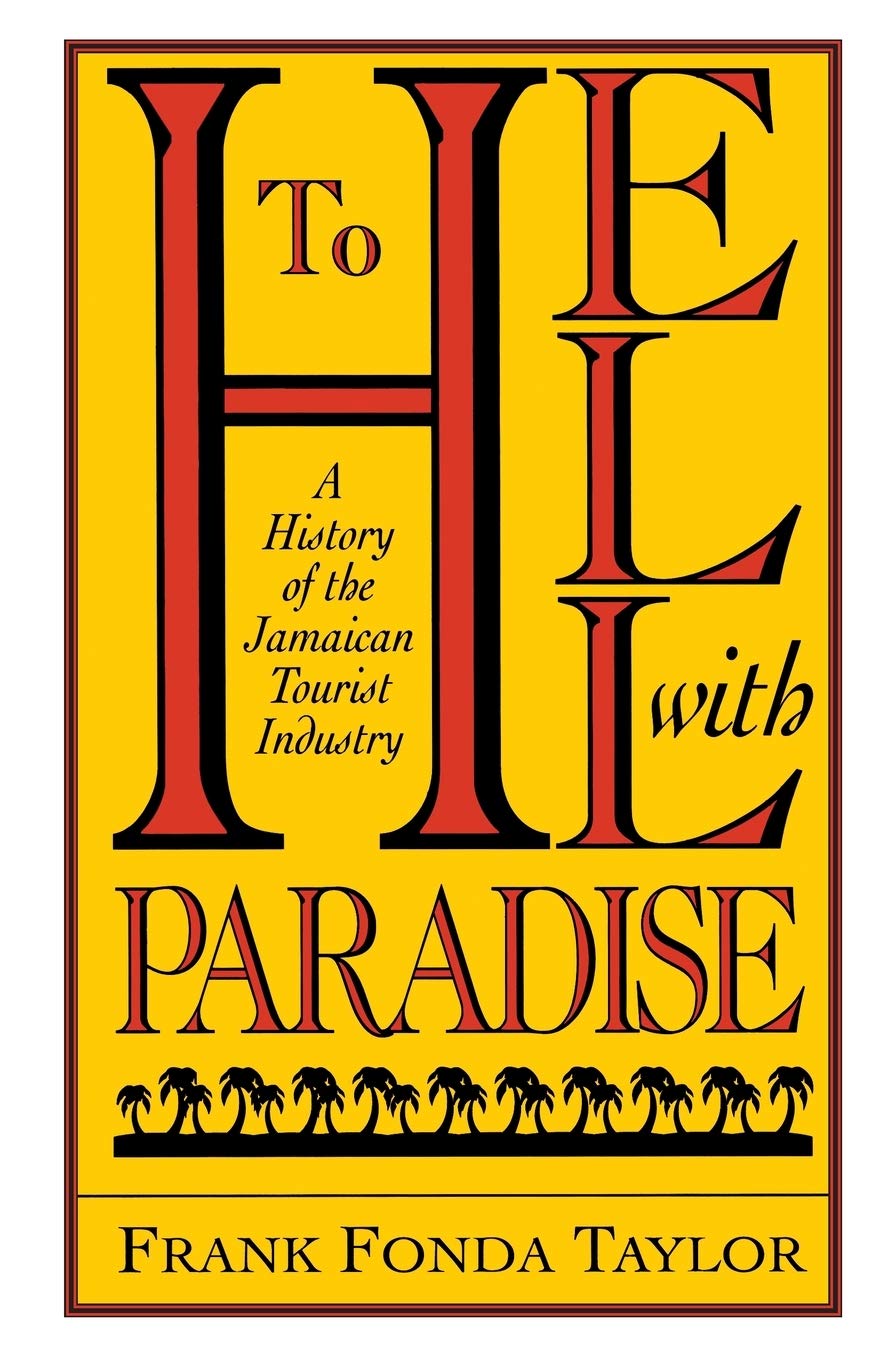
To Hell With Paradise: A History Of The Jamaican Tourist Industry (Pitt Latin American Series),Used
Sold by Ergodebooks, an authorized reseller.
Returns accepted within 30 days | support@ergodebooks.com
Shipping Information
- Free Standard Shipping — United States only
- Processing Time: 3–5 business days
- Estimated Delivery: 6–10 business days after dispatch
- Double-boxed, fully insured & discreetly packaged
- Tracking number sent via email once dispatched
Returns & Refund
Returns accepted within 30 days of delivery.
Damaged or Defective Item
Free return shipping + replacement or full refund
Wrong Item Received
Free return shipping + replacement or full refund
Change of Mind
Return shipping at customer's expense · 25% restocking fee applies
Payment Option

In the course of the nineteenth century, Jamaica transformed itself from a pestilenceridden white mans graveyard to a sundrenched tourist paradise. Deftly combining economics with political and cultural history, Frank Fonda Taylor examines this puzzling aboutface and explores the growth of the tourist industry into the 1990s. He argues that the transformations in image and reality were not accidental or due simply to natures bounty. They were the result of a conscious decision to develop this aspect of Jamaicas economy.Jamaican tourism emerged formally at an international exhibition held on the island in 1891. The international tourist industry, based on the need to take a break from stressful labor and recuperate in healthful and luxurious surroundings, was a newly awakened economic giant. A group of Jamaican entrepreneurs saw its potential and began to cultivate a tourism psychology which has led, more than one hundred years later, to an economy dependent upon the tourist industry.The steamships that carried North American tourists to Jamaican resorts also carried U.S. prejudices against people of color. To Hell withParadise illustrates the problems of founding a tourist industry for a European or U.S. clientele in a society where the mass of the population is poor, black, and with a historical experience of slavery and colonialism. By the 1990s, tourism had become the lifeblood of the Jamaican economy, but at an enormous cost: enclaves of privilege and ostentation that exclude the bulk of the local population, drug trafficking and prostitution, soaring prices, and environmental degradation. No wonder some Jamaicans regard tourism as a new kind of sugar.Taylor explores timely issues that have not been previously addressed. Along the way, he offers a series of valuable micro histories of the Jamaican planter class, the origins of agricultural dependency (on bananas), the growth of shipping and communications links, the process of race relations, and the linking of infrastructural development to tourism. The text is illustrated with period photographs of steamships and Jamaican tourist hotels.
⚠️ WARNING (California Proposition 65):
This product may contain chemicals known to the State of California to cause cancer, birth defects, or other reproductive harm.
For more information, please visit www.P65Warnings.ca.gov.