
Title
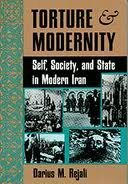
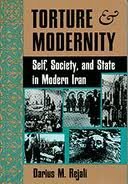
Torture And Modernity: Self, Society, And State In Modern Iran (Institutional Structures of Feeling),Used
Sold by Ergodebooks, an authorized reseller.
Returns accepted within 30 days | support@ergodebooks.com
Shipping Information
- Free Standard Shipping — United States only
- Processing Time: 3–5 business days
- Estimated Delivery: 6–10 business days after dispatch
- Double-boxed, fully insured & discreetly packaged
- Tracking number sent via email once dispatched
Returns & Refund
Returns accepted within 30 days of delivery.
Damaged or Defective Item
Free return shipping + replacement or full refund
Wrong Item Received
Free return shipping + replacement or full refund
Change of Mind
Return shipping at customer's expense · 25% restocking fee applies
Payment Option

What does the practice of torture presuppose about human beings and human society? How does one explain a society in which institutional torture persists despite massive changes in government and class structure? What, indeed, are the social foundations of modern torture? In Culture and Modernity, Darius M. Rejali investigates torture in Iran in order to understand and critically reconsider the politics and psychology of modern torture. In a world in which one out of every three governments uses torture, Rejali points to a common past, one shared by Iranians and nonIranians alike, that supports this practice.My aim,
⚠️ WARNING (California Proposition 65):
This product may contain chemicals known to the State of California to cause cancer, birth defects, or other reproductive harm.
For more information, please visit www.P65Warnings.ca.gov.
- Q: What is the page count of 'Torture and Modernity'? A: This book contains two hundred eighty-nine pages. It offers an in-depth exploration of torture in modern Iran.
- Q: What is the binding type of this book? A: The binding of 'Torture and Modernity' is paperback. This makes it lightweight and easy to handle while reading.
- Q: What are the dimensions of 'Torture and Modernity'? A: The dimensions are six point two six inches in length, zero point seven five inches in width, and nine point zero two inches in height. These dimensions make it a standard-sized paperback.
- Q: How do I approach reading this book? A: You can read 'Torture and Modernity' at your own pace, but it's recommended for mature audiences due to its graphic content. The book delves into complex themes of society and politics.
- Q: Is this book suitable for academic study? A: Yes, it is suitable for academic study. The book provides critical insights into the psychology of torture, making it valuable for students of political science and sociology.
- Q: What themes are covered in 'Torture and Modernity'? A: This book covers themes such as modernity, torture, institutional violence, and the political landscape in Iran. It challenges assumptions about state formation and modernization.
- Q: How should I store this book? A: Store 'Torture and Modernity' in a cool, dry place. Keep it upright on a shelf to prevent damage to the binding and pages.
- Q: Can I lend this book to someone? A: Yes, you can lend this book. Just be mindful of the graphic content, as it may not be suitable for all readers.
- Q: What is the author's background? A: The author, Darius M. Rejali, is a well-known scholar in the field of political science. His expertise in torture and punishment adds depth to the book's analysis.
- Q: Is there a photographic essay in this book? A: Yes, the book includes an extensive photographic essay. This visual component enhances the understanding of the book's themes.
- Q: What makes this book unsettling? A: The book is unsettling due to its graphic verbal passages and the harsh realities it reveals about torture. It aims to provoke thought and discussion on this important issue.
- Q: Does this book include references to historical events? A: Yes, 'Torture and Modernity' references various historical events. It contextualizes torture within the broader scope of Iranian and European history.
- Q: What is the significance of the book's title? A: The title 'Torture and Modernity' reflects the book's exploration of how torture relates to modern societal structures and political ideologies.
- Q: Are there discussions on the psychology of torture in this book? A: Yes, the book discusses the psychology of torture extensively. It examines the motivations and implications of torturers' actions.
- Q: What are the main arguments presented in the book? A: The main arguments challenge conventional understandings of torture, analyzing its social foundations and questioning the effectiveness of modern political theories.
- Q: Is there a focus on human rights in 'Torture and Modernity'? A: Yes, human rights are a central theme. The book critiques the effectiveness of human rights activism in addressing the issue of torture.