
Title
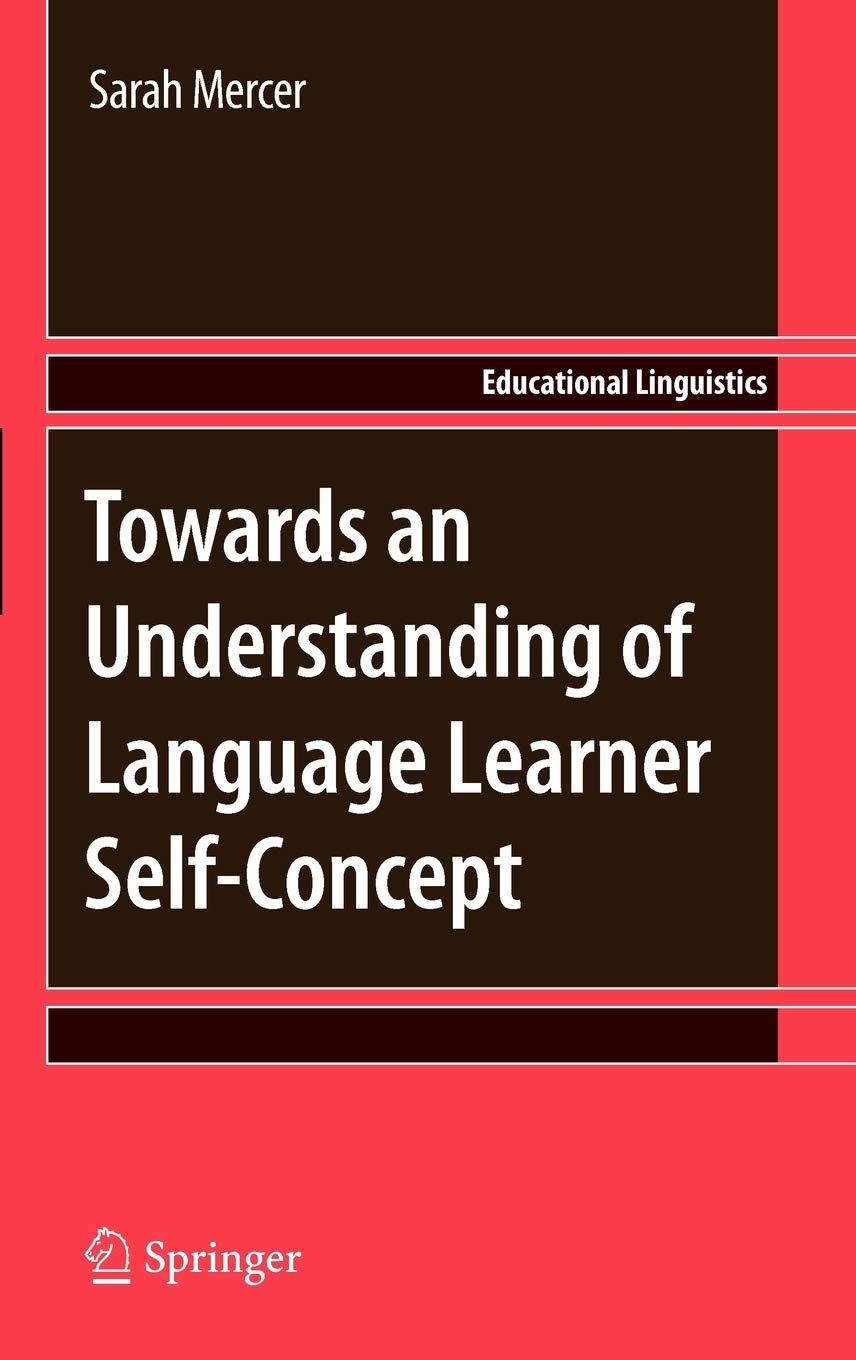
Towards an Understanding of Language Learner SelfConcept (Educational Linguistics, 12),Used
Sold by Ergodebooks, an authorized reseller.
Returns accepted within 30 days | support@ergodebooks.com
Shipping Information
- Free Standard Shipping — United States only
- Processing Time: 3–5 business days
- Estimated Delivery: 6–10 business days after dispatch
- Double-boxed, fully insured & discreetly packaged
- Tracking number sent via email once dispatched
Returns & Refund
Returns accepted within 30 days of delivery.
Damaged or Defective Item
Free return shipping + replacement or full refund
Wrong Item Received
Free return shipping + replacement or full refund
Change of Mind
Return shipping at customer's expense · 25% restocking fee applies
Payment Option

Product DescriptionThis book contributes to our growing understanding of the nature and development of language learner selfconcept. It assesses the relevant literature in the disciplines of psychology and applied linguistics and describes indepth, qualitative research examining the selfconcepts of tertiarylevel EFL learners. Although researchers in applied linguistics and SLA have recognized the importance of selfconstructs, there remains little empirical work in the context of foreign language learning that focuses exclusively and at length on this central psychological construct. The content of this monograph draws on interdisciplinary sources, with input from psychology and applied linguistics. It will appeal to students and researchers interested in languagelearner psychology as well as selfrelated constructs in general. The text provides insights into how learners view themselves, and how these selfbeliefs can develop and affect the progress of an individuals language learning.ReviewFrom the reviews:Towards an Understanding of Language Learner SelfConcept is an especially insightful and timely contribution. Using a strong, interdisciplinary approach that builds on reflections from current research in both psychology and applied linguistics, Mercer focuses on how learners form their English as a foreign language (EFL) selfconcept. I would have no hesitation in highly recommending this book to language teachers and others who are interested in selfconcept or any selfrelated constructs. (James Rock, JALT Journal, Vol. 35 (1), May, 2013)The book starts with a useful overview of the research domain, which culminates in a convincing argument for the need to depart from the dominant quantitative and hypothesistesting approaches to researching selfconcept and this is exactly what Mercer endeavours to do. we indeed gain insights that typically remain hidden from the sight of more positivistoriented researchers, but which resonate much more closely with the everyday experiences of language learners and teachers. The contribution that this book therefore makes to the field is unquestionable. (Magdalena Kubanyiova, ELT Journal, Vol. 67 (1), January, 2013)From the Back CoverThis book contributes to our growing understanding of the nature and development of language learner selfconcept. It assesses the relevant literature in the disciplines of psychology and applied linguistics and describes indepth, qualitative research examining the selfconcepts of tertiarylevel EFL learners. Although researchers in applied linguistics and SLA have recognized the importance of selfconstructs, there remains little empirical work in the context of foreign language learning that focuses exclusively and at length on this central psychological construct. The content of this monograph draws on interdisciplinary sources, with input from psychology and applied linguistics. It will appeal to students and researchers interested in languagelearner psychology as well as selfrelated constructs in general. The text provides insights into how learners view themselves, and how these selfbeliefs can develop and affect the progress of an individuals language learning.
⚠️ WARNING (California Proposition 65):
This product may contain chemicals known to the State of California to cause cancer, birth defects, or other reproductive harm.
For more information, please visit www.P65Warnings.ca.gov.