
Title
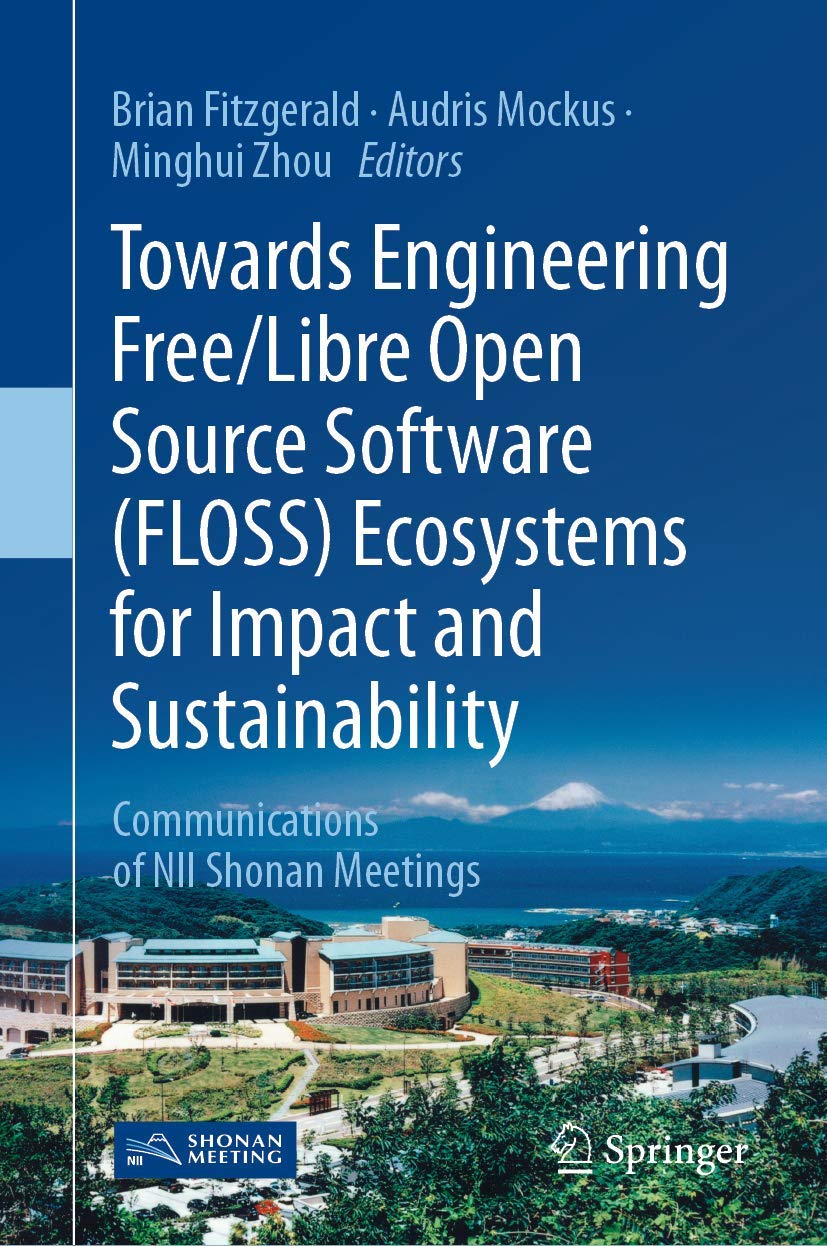
Towards Engineering Free/Libre Open Source Software (FLOSS) Ecosystems for Impact and Sustainability: Communications of NII Shon,Used
Sold by Ergodebooks, an authorized reseller.
Returns accepted within 30 days | support@ergodebooks.com
Shipping Information
- Free Standard Shipping — United States only
- Processing Time: 3–5 business days
- Estimated Delivery: 6–10 business days after dispatch
- Double-boxed, fully insured & discreetly packaged
- Tracking number sent via email once dispatched
Returns & Refund
Returns accepted within 30 days of delivery.
Damaged or Defective Item
Free return shipping + replacement or full refund
Wrong Item Received
Free return shipping + replacement or full refund
Change of Mind
Return shipping at customer's expense · 25% restocking fee applies
Payment Option

Free/libre open source software (FLOSS) ecosystems such as Linux have had a tremendous impact on computing and society and have captured the attention of businesses, researchers, and policy makers. Research on FLOSS has been ongoing for almost two decades. From an economic perspective, the most common topics involve motivation and organization. As commercial participation in FLOSS has become common, the question of how to combine FLOSS practice with commercial practice has been the subject of research, particularly with a view to understanding how to ensure sustainability of the ecosystem.This book is based on a Shonan meeting on FLOSS ecosystem sustainability held in June 2017. The meeting brought together a blend of established and young researchers who were actively studying the FLOSS phenomenon. These researchers were drawn from a variety of disciplines including software engineering, human computer interaction, information systems, computersupported cooperativework, data mining, cognitive science, psychology, operations research, and management. Industry practitioners who were active in the FLOSS space also participated. This book presents the results of discussion on fundamental questions related to the impact and sustainability of FLOSS ecosystems, including: How does an ecosystem form? How do different stakeholders work together to form a community that develops and maintains valuable and freely available software, and how does an ecosystem with millions of repositories and developers operate given the lack of centralized planning? How does an ecosystem evolve in response to the environment as technology and needs evolve over time? How do newcomers learn the protocols and practices of an ecosystem? How would they sustain the ecosystem? What is the relationship between people and ecosystem sustainability?
⚠️ WARNING (California Proposition 65):
This product may contain chemicals known to the State of California to cause cancer, birth defects, or other reproductive harm.
For more information, please visit www.P65Warnings.ca.gov.